

If you’re financing anything with debt — a building, a piece of equipment, a whole project — there’s one number the lender cares about more than your revenue, your margin, or your story. It’s the debt-service coverage ratio (DSCR). Get it right and the conversation moves forward. Get it wrong, or leave it out, and the model reads as amateur. Here’s what it is and how lenders actually use it.
Want your own number? Our free DSCR calculator works it out from your revenue, expenses and loan terms, and shows the largest loan your cash flow can support.
What the DSCR is
The DSCR answers a blunt question: does the business generate enough cash to pay its debt, with room to spare?
DSCR = Cash Flow Available for Debt Service ÷ Total Debt Service
“Cash flow available for debt service” is, roughly, your operating cash flow before financing costs (often EBITDA-adjusted for taxes and maintenance capital). “Total debt service” is the principal and interest due in the period. A DSCR of 1.0x means you generate exactly enough to make your payments — no cushion. 1.5x means you generate 50% more than you owe.
What lenders consider “safe”
For most conventional and SBA lending, lenders want to see a DSCR of roughly 1.20x to 1.35x minimum. Below ~1.20x, there’s too little margin for error — one soft quarter and the loan can’t be serviced. The exact threshold varies by asset and lender: stable, contracted cash flows can support a lower ratio; volatile or unproven ones need more cushion.
The key insight most founders miss: the lender isn’t looking for the highest possible DSCR — they’re looking for a defensible one that holds under stress. A model showing a 3.0x DSCR on heroic assumptions is less credible than one showing 1.5x on conservative ones.
Why “over the tenor” matters
A single DSCR figure isn’t enough. Lenders want to see the ratio across the life of the loan — because coverage changes as the debt amortizes and revenue grows. A model should show the DSCR year by year, and the number that matters most is the minimum it ever hits. If your DSCR dips below the covenant threshold in year three, the deal has a problem no average can hide.
When we built the project-finance model behind BRE’s $380M, 932 MW solar financing, the DSCR was modeled to climb from 1.46x to 1.89x across the tenor and to never fall below 1.46x — well above the 1.20–1.30x lender minimum. That “never below” figure is the whole point: it’s the promise the model makes to the lender.
The mistakes that sink the number
- No downside case. A DSCR that only works on the base case tells the lender nothing about risk. Model a stress scenario — lower revenue, higher costs — and show the coverage still holds.
- Ignoring principal. Some founders compute coverage against interest only. Lenders count principal and interest. Leaving principal out inflates the ratio and gets caught immediately.
- Hard-coded cash flow. If the cash flow feeding the DSCR isn’t driven by transparent assumptions, the lender can’t test it — and an untestable number is a rejected one.
- One number, no trajectory. Show the ratio over the full loan term, not a single year.
The bottom line
A financing model without a defensible DSCR isn’t a financing model — it’s a wish. The number has to be built from real, contracted or conservatively-projected cash flow, shown across the tenor, and stress-tested for the downside. That’s exactly the standard our financial modeling practice builds to — from a small equipment loan to nine-figure project finance. If you’re financing something and need the coverage story to hold up, book a 30-minute call and we’ll pressure-test it before your lender does.
Borrowing in North Texas? Our Dallas business plan consultants page covers what local lenders read first, with published prices.
This commentary is provided for general informational and educational purposes only and reflects the author's analysis as of the publication date. It is not legal, tax, accounting, investment, or securities advice, and it does not create a consulting or advisory relationship. Third-party names and trademarks are the property of their respective owners. See our full disclaimer.
Go Deeper · Free Handbook The SBA-Ready Business Plan The full playbook behind this topic — read online or download the PDF.Related reading
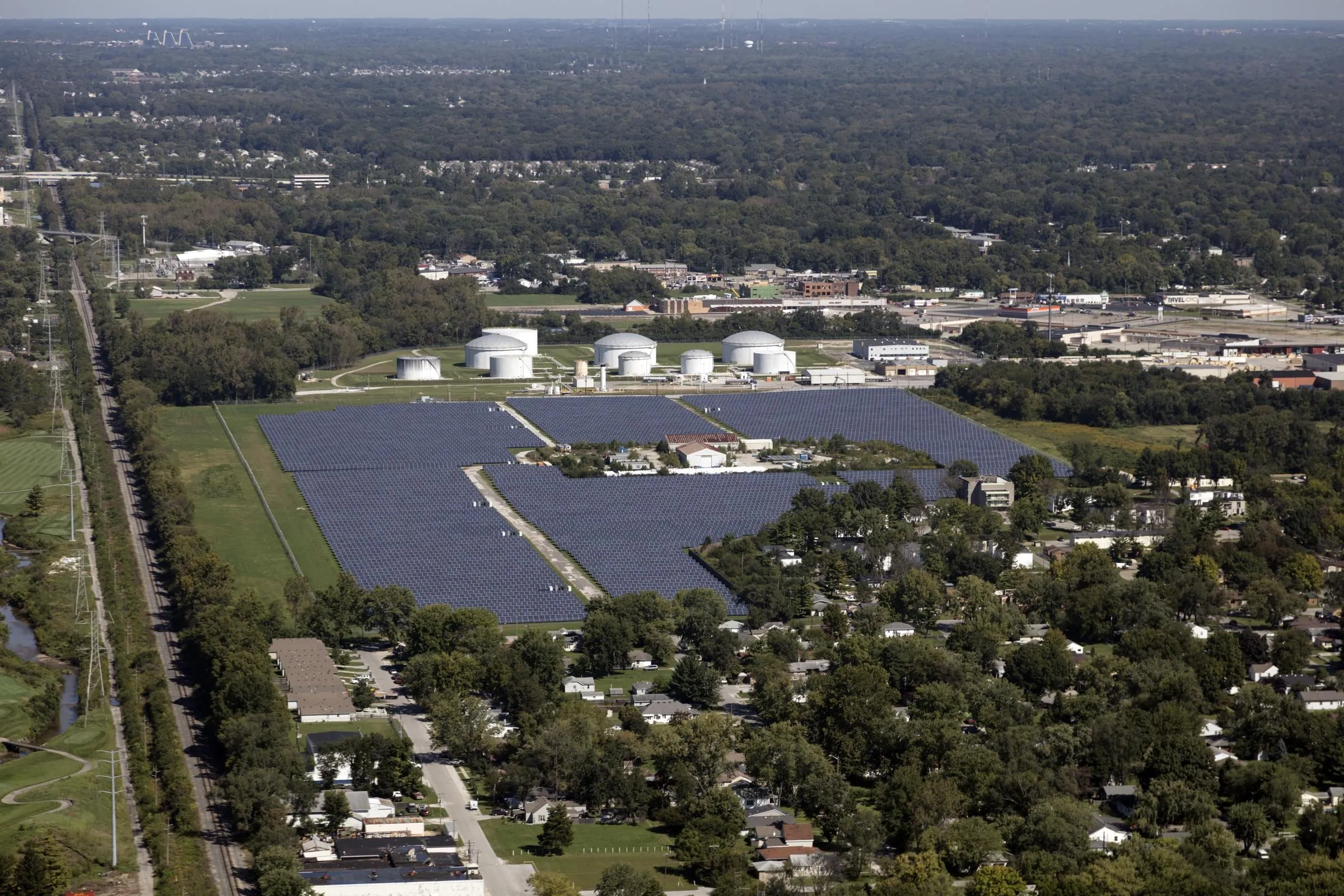
What a Project-Finance Model Actually Needs
The elements a lender-grade project-finance model requires — contracted revenue, debt sizing, DSCR, a cash-flow waterfall, and a downside case.
Debt vs. Equity Financing: How to Actually Decide
Debt vs. equity financing, decided the way operators decide it: what each one really costs, which your cash flow can service, and when the answer is both.
Owner Statements for Property Managers: What Owners Actually Read
What a property management owner statement needs to show, why it should be frozen once sent, and how to answer the questions before owners ask them.