
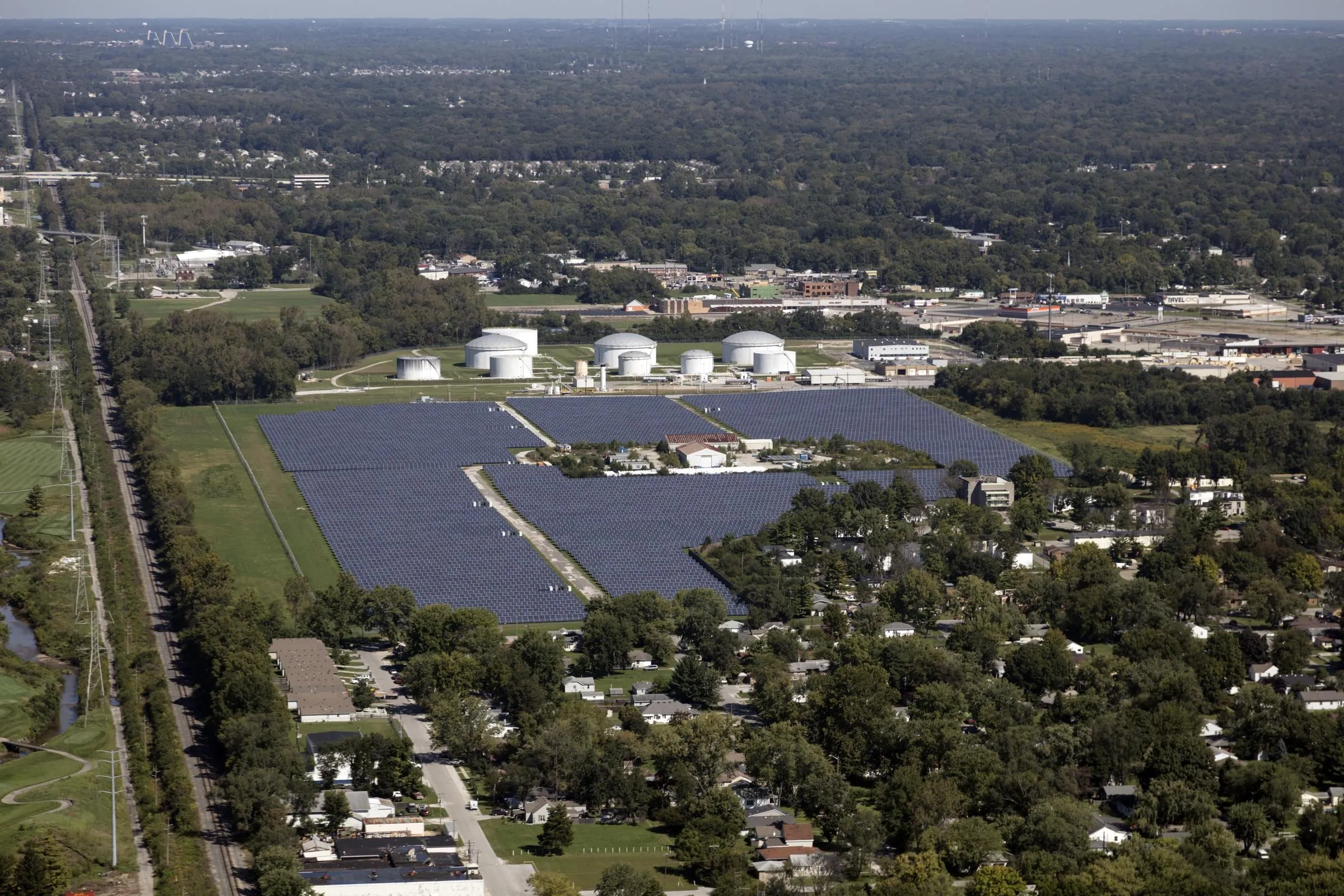
Financing a capital-heavy asset — a solar plant, a facility, an infrastructure project — is a different discipline from raising equity for a startup. The lender isn’t betting on upside; they’re lending against a ring-fenced set of cash flows and asking one question over and over: will this service its debt, even if things go a little wrong? The model has to answer that on every page. Here’s what a real project-finance model requires.
1. Revenue that’s contracted, not assumed
Equity investors accept revenue projections; project-finance lenders want revenue that’s contracted. The gold standard is a long-term offtake agreement — a power-purchase agreement (PPA), a lease, a take-or-pay contract — that fixes price and volume for years. The model builds revenue from those contracts, and it accounts for the buyer’s creditworthiness (a contract is only as good as the counterparty behind it).
For BRE’s 932 MW solar project, revenue came entirely from two long-term PPAs at a fixed price with annual escalation, covering 100% of net generation — insulating the model from merchant power-price risk. That’s what “bankable revenue” looks like.
2. Generation (or output) modeled net, not peak
The revenue line rests on how much the asset actually produces. A credible model uses net output — after losses, degradation, and downtime — not the nameplate best case. Modeling peak output is the fastest way to lose a lender’s trust, because they’ve seen it a hundred times and they’ll adjust it down themselves.
3. Debt sizing and amortization
The model determines how much debt the cash flows can support and lays out the repayment schedule. Key structural choices show up here: the interest rate, the tenor, whether interest is capitalized during construction, and when debt service begins. BRE’s model carried a ~$380M fully-amortizing senior facility at a fixed 7%, with a one-year construction period during which interest capitalized and repayment began only in the first full operating year — aligning payments with stabilized revenue.
4. The DSCR — across the whole tenor
The debt-service coverage ratio is the number the deal turns on: cash available to service debt, divided by debt service due. Lenders want it comfortably above 1.0x — typically a 1.20–1.30x minimum — and they want to see it every year, not on average. The figure that matters is the lowest it ever reaches. BRE’s model held a DSCR climbing from 1.46x to 1.89x, never dropping below 1.46x. (We wrote a whole piece on how lenders read a DSCR.)
5. A cash-flow waterfall
Project finance runs on a waterfall — the strict order in which cash is applied each period: operating costs first, then debt service, then reserves, then whatever’s left to equity. The model has to show that waterfall, because it’s the mechanism that protects the lender: debt gets paid before anyone takes a distribution.
6. Sensitivities and a downside case
No project-finance model is complete without stress cases. What happens to the DSCR if output is lower, costs are higher, or — for BRE — a tax incentive doesn’t apply? The model tested CAPEX with and without the local incentive and ran a curtailment sensitivity, so the coverage story held even in the downside. A lender doesn’t fund the base case; they fund the case that survives the downside.
The bottom line
A project-finance model is the deal. Contracted revenue, conservative output, sized debt, a DSCR that holds across the tenor, a cash-flow waterfall, and real sensitivities — miss any one and a serious lender walks. That’s the standard our financial modeling practice builds to, from mid-market equipment financing up to nine-figure project finance. If you’re financing a capital-heavy asset, book a 30-minute call and we’ll build the model that makes it bankable.
This commentary is provided for general informational and educational purposes only and reflects the author's analysis as of the publication date. It is not legal, tax, accounting, investment, or securities advice, and it does not create a consulting or advisory relationship. Third-party names and trademarks are the property of their respective owners. See our full disclaimer.
Go Deeper · Free Handbook The SBA-Ready Business Plan The full playbook behind this topic — read online or download the PDF.Related reading

How Lenders Read a DSCR — and Why Your Model Needs One
What the debt-service coverage ratio is, how lenders actually use it, what counts as a safe DSCR, and why a financing model lives or dies on the number.
Cash Flow Problems Are Operations Problems
A profitable business that's always short on cash usually doesn't have a finance problem. It has an operations problem showing up in the bank account.
Debt vs. Equity Financing: How to Actually Decide
Debt vs. equity financing, decided the way operators decide it: what each one really costs, which your cash flow can service, and when the answer is both.