
Renewable Energy & Infrastructure
Financing-Ready: A Utility-Scale Solar Plan and 10-Year Model
A utility-scale solar developer — Latin America
- project-finance model — base case plus full debt amortization
- 10-yr
- institutional-grade plan and model built for lender underwriting
- Bankable
- core workstreams — the business plan and the financial model
- 2
Situation
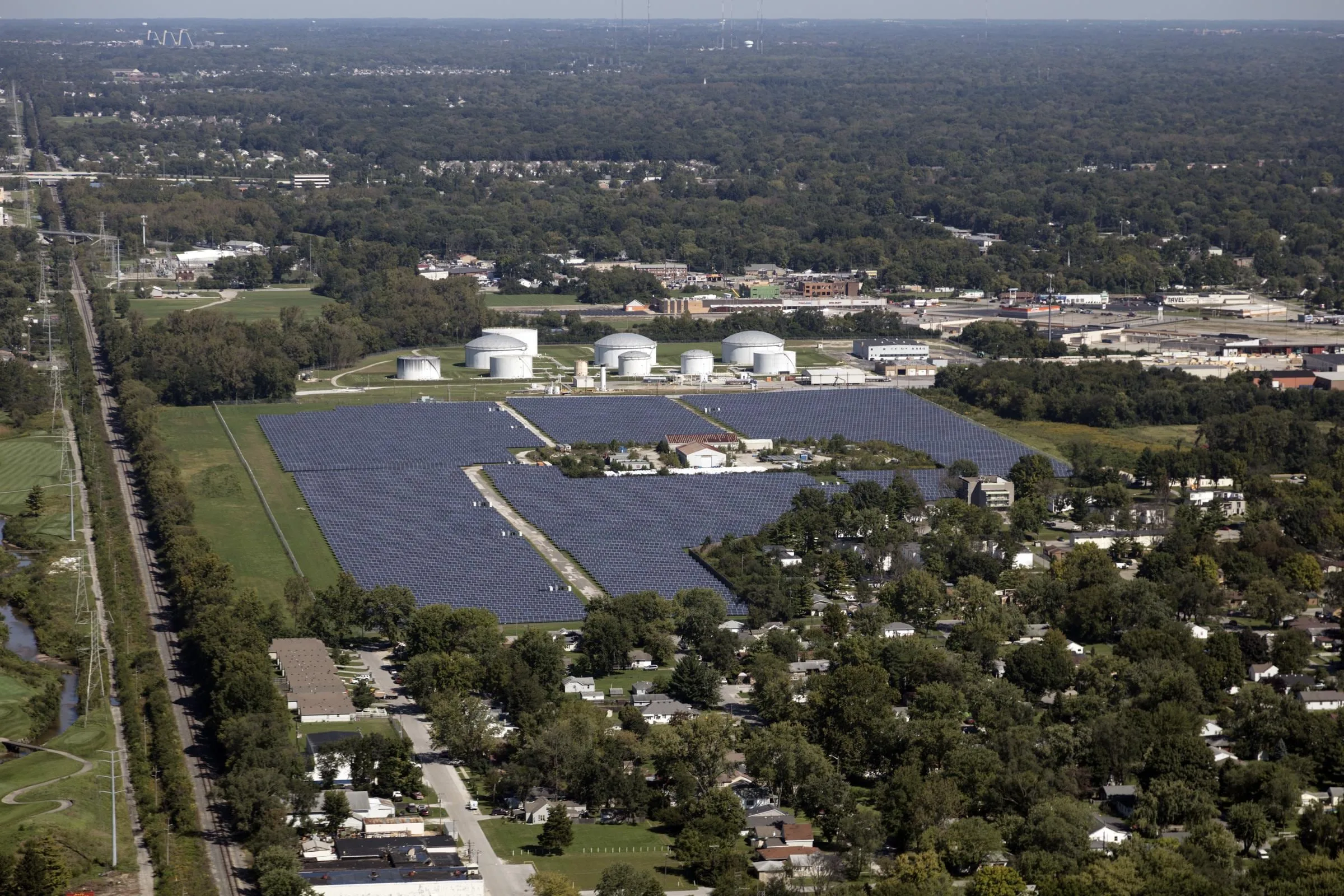
The client had done the hard part. A utility-scale solar project had reached ready-to-build status: fully permitted, supported by a long-term Power Purchase Agreement with a creditworthy offtaker, and located in a jurisdiction whose federal and regional tax incentives were designed specifically to attract renewable energy investment. Engineering was resolved. Land was secured. The development risk that kills most projects was behind them.
What stood between technical readiness and capital was documentation. Institutional lenders and infrastructure investors do not underwrite enthusiasm — they underwrite documents. The project needed a business plan written to institutional standards and a long-term financial model robust enough to survive credit-committee scrutiny, and the financing was further complicated by a planned ownership consolidation that had to be presented without spooking debt providers.
The gap is common in renewable development: teams with deep technical and permitting expertise arrive at the capital markets without the financial-documentation infrastructure those markets require. Closing that gap was the engagement.
The engagement
CMA was retained to build the financing package end to end, across two core workstreams.
The business plan
A comprehensive written plan aimed at three distinct readers — lenders, infrastructure investors, and strategic capital providers — each of whom evaluates a different dimension of the same asset:
- Market and regulatory context — the regional energy market, the incentive framework, and why this jurisdiction and interconnection position mattered
- Contracted revenue structure — the PPA terms presented the way credit analysts read them: tenor, counterparty quality, and the degree to which contracted cash flows alone carry the debt
- Risk identification and mitigation — construction, operational, counterparty, and regulatory risks named plainly, each paired with its mitigation, because institutional readers trust documents that surface risk more than documents that hide it
- Ownership and governance — the consolidation structure articulated so that it read as simplification, not as added equity risk
- Long-term operational outlook — O&M strategy, degradation assumptions, and end-of-term considerations
The 10-year financial model
The model was built the way lenders actually use models — for adjustment, not admiration:
- Construction-period funding and draw schedules
- Operating revenue projections under the executed PPA
- Operating and maintenance cost forecasts with escalation
- Detailed tax modeling reflecting the applicable federal and regional incentives
- Long-term debt assumptions with full amortization schedules
- Annual and cumulative debt service coverage ratios — the numbers a credit committee checks first
- Conservative base-case cash flows, with portfolio expansion modeled strictly as upside
Every assumption was labeled, sourced, and adjustable. A model that breaks when a lender changes the interest rate assumption is a model that ends the conversation; this one was structured for diligence, auditability, and lender modification from the first tab.
Why the structure mattered
Two framing decisions did disproportionate work. First, the plan demonstrated that the project services its long-term debt solely from contracted revenues — no merchant-price optimism, no expansion dependency. Second, the planned portfolio expansion was positioned as upside optionality rather than a base-case requirement, which let the consolidation story read as discipline instead of ambition. Both choices trace to the same principle: institutional capital pays for downside clarity, not upside narrative.
Impact
- The client received a bankable, underwriteable business plan and financial model aligned with institutional project finance standards
- The documentation demonstrated debt service capacity from contracted revenues alone
- Ownership consolidation was articulated without introducing unnecessary equity risk
- The deliverables moved the project into advanced lender discussions and positioned it for financing execution
For complex infrastructure, the lesson generalizes: the distance between a technically ready project and a financed one is measured in documentation quality. CMA’s job was to close that distance — strategy translated directly into a financeable outcome.
Institutional lenders and infrastructure investors do not underwrite enthusiasm — they underwrite documents.
Engagement details are shared with client permission or presented in anonymized form. Results described are specific to the engagement and client circumstances shown and are not a guarantee of future outcomes. See our full disclaimer.
The Transformation
Before & after
Before
Technically ready project — permitted, contracted, engineered — but no financial-documentation infrastructure.
After
An institutional-quality business plan and 10-year model built for credit-committee scrutiny.
Before
PPA and revenue structure understood internally but not framed the way credit analysts read them.
After
Contracted cash flows presented by tenor, counterparty quality, and debt-service capacity.
Before
Planned ownership consolidation risked spooking debt providers as added equity risk.
After
Consolidation articulated as simplification, not added risk.
Before
A ready-to-build asset stalled at the gap between technical readiness and capital.
After
Deliverables that moved the project into advanced lender discussions.
The Work, In Sequence
How the engagement ran
- 1
The business plan
A comprehensive plan written for lenders, infrastructure investors, and strategic capital — covering market and regulatory context, contracted revenue structure, risk identification and mitigation, ownership and governance, and long-term operational outlook.
- 2
The 10-year financial model
Built the way lenders use models — construction draws, PPA revenue, O&M with escalation, detailed tax modeling, debt amortization, and annual and cumulative debt service coverage ratios. Every assumption labeled, sourced, and adjustable.
- 3
Framing for downside clarity
The plan demonstrated debt serviced solely from contracted revenues, with portfolio expansion positioned as upside optionality rather than a base-case requirement.