
Business Plans & Funding · Franchises & Multi-Unit Financing packages built for franchise growth
We build the business plan, projections, and SBA or bank package a franchisee needs to fund a first unit or a multi-unit expansion. Every projection is grounded in the FDD, franchisor data, and your real market, never inflated to sell a loan.
The Outcome
What a fundable plan actually gives you
Not a template full of optimistic numbers — an investor- and lender-grade plan built from your real drivers.
A lender-ready franchise file
We build the plan, projections, and package SBA and bank underwriters expect from a franchise deal, so your file moves through committee.
Projections rooted in the FDD
Revenue and cost built from Item 19 financial performance data and your local market, so the numbers are defensible.
A repayment story that holds
Debt service coverage modeled honestly across the ramp, which is what franchise lenders underwrite hardest.
How we work
Here’s how we’d build it — from your drivers, not a template
We won’t hand you a boilerplate plan with invented projections. What follows is exactly how we’d build your business plan and funding materials — from your real numbers, with transparent, defensible assumptions, and honesty about what can’t be known before you launch. Every figure traces to a source or a stated assumption, so the plan holds up when a lender or investor pressure-tests it.
Who it’s for: Franchisees financing a first unit, area developers and multi-unit operators funding an expansion, and buyers acquiring existing franchise units, who need an SBA 7(a) or bank package built to survive underwriting.
What We Build
What we'd build for your financing
Four connected work products, built from the FDD and your real market, that together form the financing package franchise lenders expect.
The Plan
Lender-ready franchise business plan
The challenge: Franchisees often assume the brand name is the plan. Lenders still want to see the local market, the operator, the site, and why this territory works, not just the franchisor's brochure.
What we’d build: A plan covering the brand and system, your local market and territory, site strategy, your management experience, and the growth plan, framed the way an SBA lender reads a franchise deal.
The Model
FDD-grounded financial projections
The challenge: Projections pulled from thin air, or from the franchisor's best-case pitch, get flagged. Lenders want revenue and cost tied to the FDD's Item 19 and realistic local assumptions.
What we’d build: A three-to-five-year model built from Item 19 financial performance representations where available, franchise fees and royalties, buildout, labor, and your local cost base, with a realistic ramp per unit.
The Package
SBA and multi-unit loan package
The challenge: Multi-unit and first-unit franchise files stall on incomplete packages, missing personal financials, weak sources and uses, or no coverage analysis across the units.
What we’d build: A complete lender package: sources and uses, use-of-funds, debt service coverage, and, for multi-unit deals, a phased build-out and consolidated coverage analysis SBA and conventional lenders require.
The Strategy
Funding strategy and diligence readiness
The challenge: Franchisees don't know the equity injection expected, how multi-unit development agreements are financed, or how lenders view the brand's SBA track record. Surprises stall deals.
What we’d build: A funding strategy covering loan type and lender fit, expected equity injection, how to finance a multi-unit development schedule, the brand's lending profile, and a readiness pass before you apply.
The Fuller Scope
Other ways we support franchisees and operators
Beyond the core financing package, we help with the planning and capital work that comes up across a franchise portfolio.
Multi-unit development agreements
We model a phased build-out schedule and consolidated coverage so a lender can finance an area development commitment.
Franchise resales and acquisitions
We validate the seller's unit economics and build the SBA acquisition package for buying an existing franchise.
Brand comparison and selection
For operators weighing brands, we compare FDDs and unit economics so the investment decision rests on real numbers.
Territory and market analysis
We ground the plan in your specific territory's demographics and competition, which lenders weigh heavily.
Portfolio refinance and expansion
We build the case to refinance existing units or fund the next wave of growth from portfolio performance.
Equity and partner packages
For operators raising from investors alongside debt, we build the plan and returns model partners expect.
Break-even and ramp modeling
We model per-unit break-even and ramp so you know how each location performs before you commit capital.
What a fundable plan has to prove
What a fundable franchise plan has to prove
Funders scrutinize a handful of things before they say yes. Here’s what our work is built to prove.
Repayment capacity / DSCR
We model debt service coverage across the ramp and, for multi-unit, across the portfolio, so the lender sees repayment.
FDD-grounded revenue
We tie projections to Item 19 financial performance data and your market, so revenue is defensible, not aspirational.
Realistic per-unit ramp
We ramp each unit to maturity over months, reflecting how franchise locations actually build sales.
Use of funds
We map franchise fees, buildout, equipment, and working capital to a clear sources-and-uses schedule.
Operator experience
We frame your management and industry background the way franchise lenders weigh operator risk.
Multi-unit feasibility
We show that a phased development schedule is financeable and that early units support the next, which area developers must prove.
We build from what is documented and real: the franchisor's FDD, including Item 19 financial performance representations where the brand provides them, franchise fees and royalty structure, your buildout and equipment budget, local labor and occupancy costs, and your territory's demographics. Where the FDD provides performance data, projections are grounded in it; where it doesn't, we build from comparable units and your local assumptions, clearly labeled. We ramp each unit realistically rather than assuming mature-unit sales on day one. We never invent revenue, lean on the franchisor's best case, or hand a lender projections we couldn't defend. Where a number can't be known before opening, we show the assumption and its sensitivity.
The Engagement
Investor- and lender-grade, and yours to defend
A scoped engagement built from the drivers you actually control — not a fill-in-the-blank template. We build the plan, the model, and the funding materials, then prep you to defend every number in the room.
Sourced and honest. Every projection ties to a real driver or a stated assumption, downside cases are shown rather than hidden, and where something can’t be known yet we say so — a plan built to survive diligence, not to flatter a raise.
Every raise is different. The scoping call is where we map your drivers and your funding path.
How It Works
From drivers to a plan funders trust
-
Discovery & drivers
We map the real operating and financial drivers — model, market, unit economics — and the exact funding you’re pursuing.
-
Plan & model
A clear business plan and driver-based financial model with a transparent assumptions layer everything flexes from.
-
Funding materials
The pitch deck or lender/SBA package your raise needs, built from the same model so the story and the numbers never diverge.
-
Diligence readiness
We pressure-test the plan against the questions a lender or investor will ask — use of funds, repayment, returns — and fix what doesn’t hold.
-
Support the raise
You get a documented plan your team owns, plus support taking it into the loan application, the pitch, or the investor meeting it was built for.
FAQ
Franchises & Multi-Unit — business-plan & funding questions
Will you guarantee my franchise loan gets approved?
No honest firm can guarantee approval. We build a complete, FDD-grounded, defensible package that meets what SBA and bank underwriters look for, which removes the avoidable reasons franchise files get declined or stalled.
Can you just use the franchisor's projections?
We use the FDD's Item 19 financial performance data as a grounded starting point, but we don't simply hand a lender the franchisor's best-case pitch. We build projections tied to your specific market, costs, and a realistic ramp, which is what an underwriter trusts.
How much equity do I need to inject?
SBA lenders typically expect a meaningful equity injection, and it varies by brand and deal. We size the expected injection as part of the funding strategy, including how it works across a multi-unit development schedule.
Can you finance a multi-unit development agreement?
Yes. We model a phased build-out with consolidated debt service coverage so a lender can underwrite a commitment to develop several units over time, not just a single location.
What if the brand has no Item 19 data?
Some franchisors don't publish financial performance representations. When that's the case, we build projections from comparable units, your local market, and defensible assumptions, all clearly labeled, rather than inventing numbers.
Can you help me buy an existing franchise unit?
Yes. For a resale we validate the seller's reported unit economics, model the acquisition, and build the SBA acquisition package including coverage on the purchase price.
How long does the package take?
A typical plan and projections package runs a few weeks depending on how much FDD and cost data is ready. Multi-unit deals take longer given the phased modeling; resales can move faster.
What do you need from me to start?
The franchisor's FDD, your buildout and fee budget, target territory or site, any operating history for existing units, and time to review your local market. The more real data you bring, the stronger the projections.
Proven Work
Our work in Retail & Consumer
Engagements from the same sector as Franchises & Multi-Unit — each with the figures it published.
Retail & E-Commerce
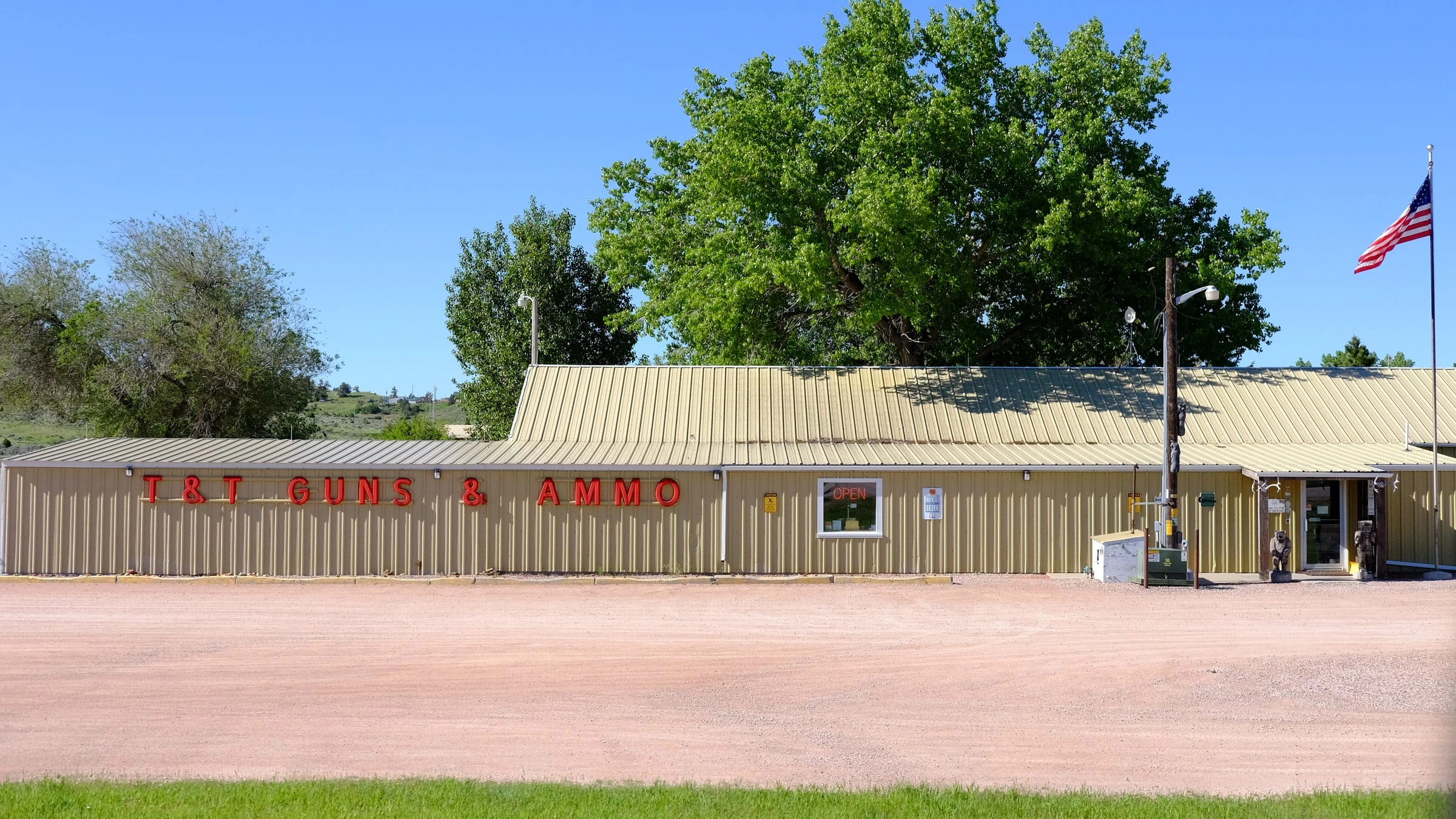
Liberty Firearms: A Capital Package for a Firearms Retailer
Full packageplan, financial model, brand, and pitch deck
A financing-ready package for a regulated retail business
Read the engagement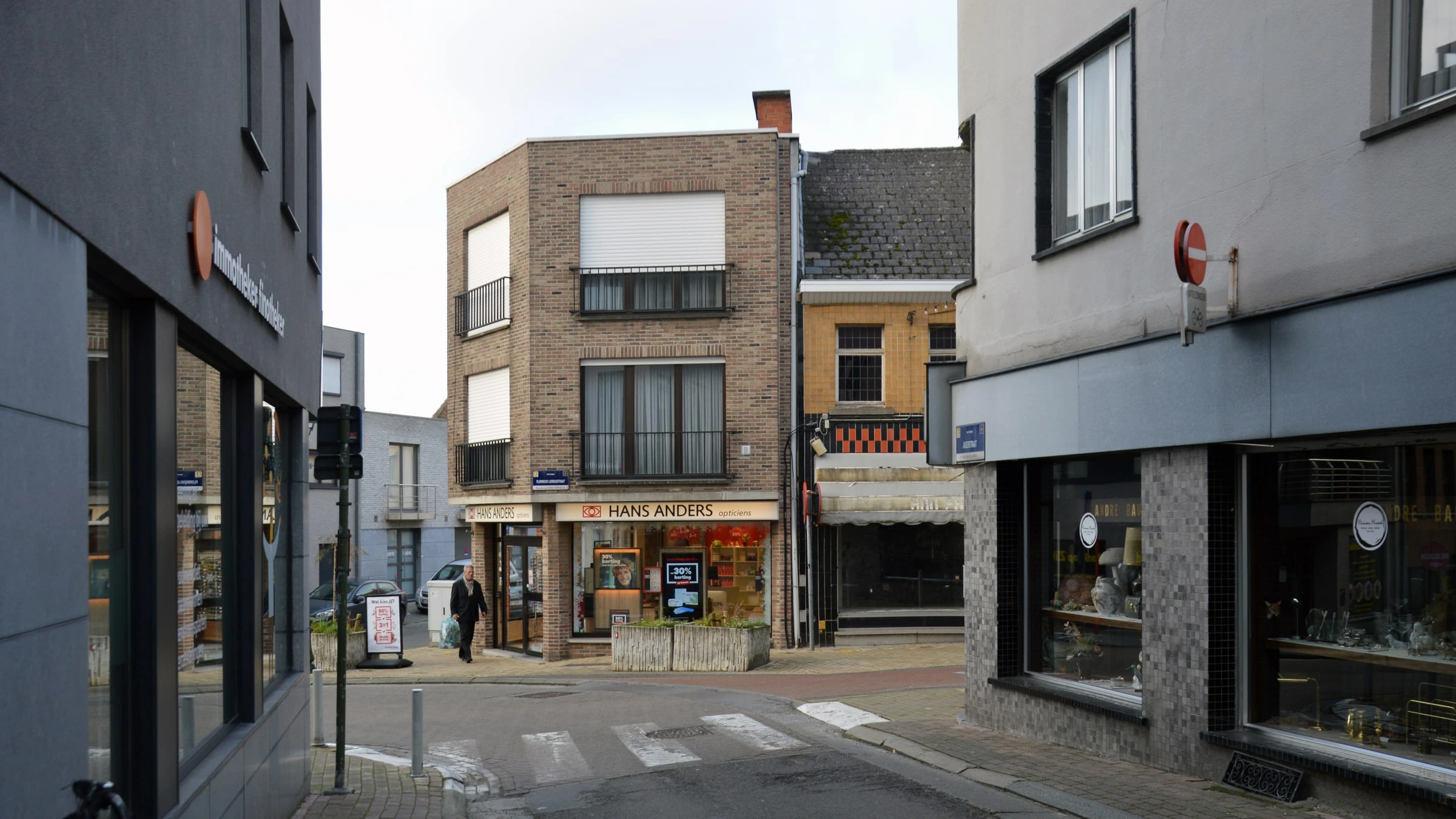
Retail · Eyewear & Optical
The Optical Shop: A Plan for an Eyewear Retailer
Positioneda defined offering and market read
A financing-ready plan and deck for an eyewear retailer
Read the engagement
Consumer Products & Apparel
Flukey: An Investor Plan for a Premium Kids' Apparel Brand
Focuseda plan organized around a clear problem, solution, and ask
A focused, investor-ready plan and package for a DTC apparel brand
Read the engagementThe Full Practice