
Beauty & Wellness
From Chair to Owner: A Business Plan for a Philadelphia Salon
An independent salon founder — Philadelphia, PA
- workstreams — objectives, market analysis, financials & brand strategy
- 4
- projections prepared for a lender's scrutiny
- Funded
- years of craft turned into a fundable business architecture
- 10+
Situation
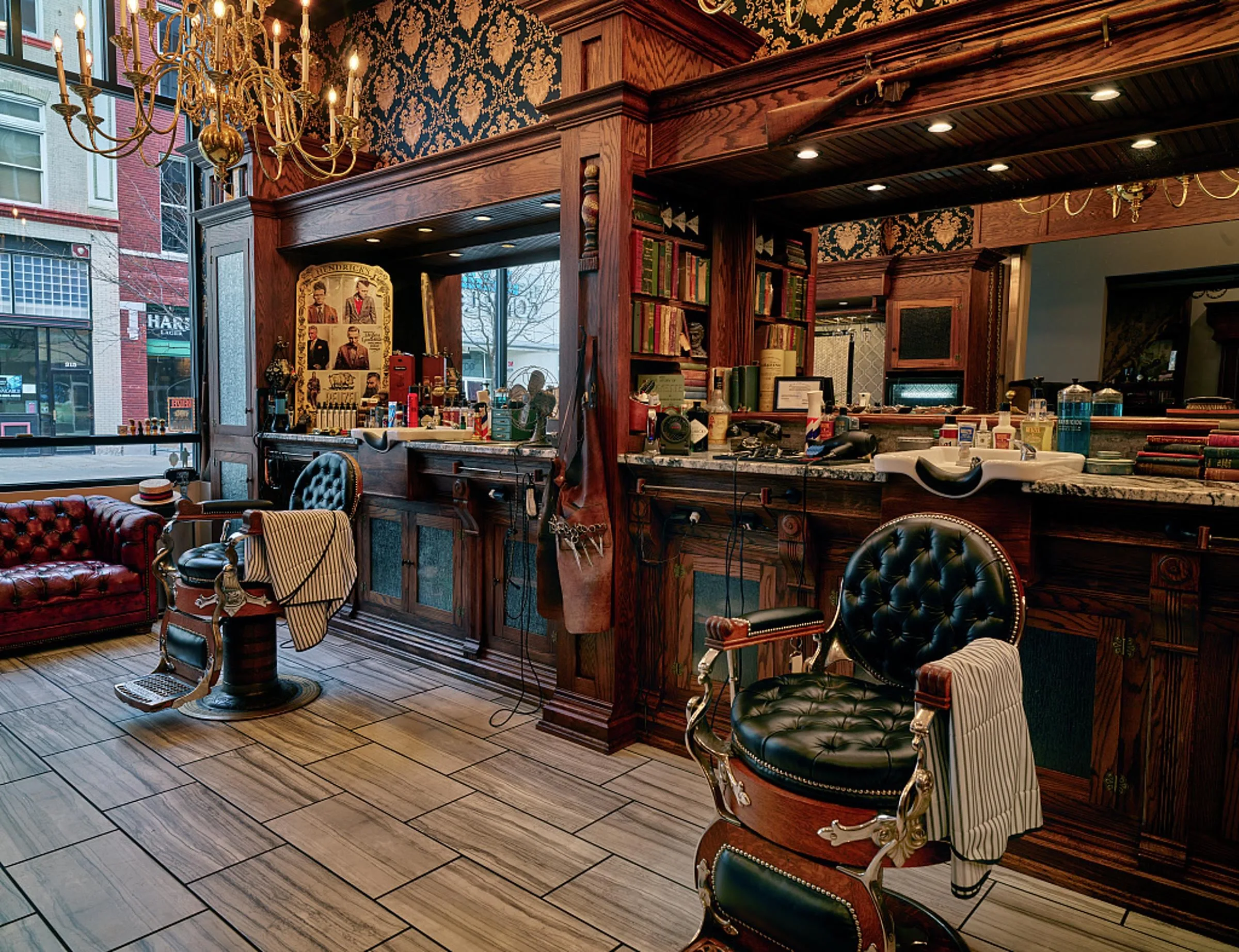
Our client, Sarah, had spent over a decade behind the chair — a seasoned hairstylist with the craft, the client relationships, and the industry instincts that only years in the business produce. Her vision was specific: her own salon in Philadelphia, built as a welcoming space where clients could genuinely indulge in self-care, not just get processed through appointments.
What separates Sarah’s story from the thousands of stylists who dream about ownership is what she did before signing anything: she recognized that running a salon and working in one are different professions, and she engaged CMA to build the business architecture before committing capital. In an industry where new shops routinely fail on location, pricing, and undercapitalization — not on talent — that sequencing decision was the engagement’s first win.
The work
From vision to objectives
Collaborative sessions converted “my own salon” into specific, dated, achievable business goals: the service mix, the experience standard, the size of the build, and what success would have to look like in year one versus year three. A plan can’t prioritize what the founder hasn’t decided; this stage forced the decisions.
Market analysis in a crowded city
Philadelphia has no shortage of chairs. The research mapped the competitive landscape and identified the target demographics — who the salon would serve, where they were underserved, and what they currently paid — so that location, pricing, and positioning decisions rested on evidence rather than optimism. The analysis answered the question every lender asks about a service business in a dense market: why will customers switch?
Financial planning built to be doubted
Startup costs (build-out, equipment, licensing, working capital), operating expenses, and revenue forecasts were modeled honestly — including the ramp period every new salon endures while the book of business builds. The projections were designed to test viability before capital was committed, not to flatter the founder after.
Marketing and brand strategy
A launch strategy for earning the first hundred regulars: brand identity aligned to the self-care positioning, the local channels that reach the target clientele, and the referral mechanics that compound in the beauty business — where retention, not acquisition, decides the P&L.
Impact
Sarah left the engagement with a complete, finance-ready business plan — a tangible roadmap from concept to opening day, with numbers prepared for a lender’s scrutiny and a strategy built to survive contact with a competitive market.
The broader pattern holds across every first-time founder CMA serves: a decade of skill is the asset; the plan is what makes the asset fundable. The craft was Sarah’s. The architecture was the engagement.
A decade of skill is the asset; the plan is what makes the asset fundable.
Engagement details are shared with client permission or presented in anonymized form. Results described are specific to the engagement and client circumstances shown and are not a guarantee of future outcomes. See our full disclaimer.
The Transformation
Before & after
Before
A decade of craft and client relationships, but no business architecture.
After
A complete, finance-ready business plan from concept to opening day.
Before
"My own salon" as an undated, undecided vision.
After
Specific, dated, achievable goals across service mix, experience, and scale.
Before
Location, pricing, and positioning resting on optimism.
After
Decisions grounded in a mapped competitive landscape and target demographics.
Before
Exposure to the failure modes that kill new shops — location, pricing, undercapitalization.
After
Honest financials that test viability before capital is committed.
The Work, In Sequence
How the engagement ran
- 1
From vision to objectives
Collaborative sessions converted "my own salon" into specific, dated, achievable goals — the service mix, the experience standard, the build size, and what success means in year one versus year three.
- 2
Market analysis in a crowded city
Mapped Philadelphia's competitive landscape and identified target demographics — who the salon serves, where they're underserved, and what they pay — so location, pricing, and positioning rest on evidence.
- 3
Financial planning built to be doubted
Startup costs, operating expenses, and revenue forecasts modeled honestly, including the ramp period, designed to test viability before capital was committed rather than flatter the founder after.
- 4
Marketing and brand strategy
A launch strategy for the first hundred regulars — brand identity aligned to the self-care positioning, the local channels that reach the clientele, and the referral mechanics that compound in beauty.