
Business Plans & Funding · Construction Funding-ready plans built on your backlog, margins, and cash cycle
We build lender-grade business plans, models, and packages from your real job margins, backlog, and working-capital cycle. Every projection ties to drivers a bank or surety can test, with nothing invented.
The Outcome
What a fundable plan actually gives you
Not a template full of optimistic numbers — an investor- and lender-grade plan built from your real drivers.
A plan a construction lender understands
A complete plan and model built on your backlog, job-level margins, and equipment needs, in the terms banks and sureties expect.
A model that respects the cash cycle
A projection that treats retainage, progress billing, and payment lag honestly, because that cycle is where contractors get into trouble.
The right facility for the job ahead
A clear read on an SBA loan, a bank line of credit, or equipment financing, with the package that channel requires.
How we work
Here’s how we’d build it — from your drivers, not a template
We won’t hand you a boilerplate plan with invented projections. What follows is exactly how we’d build your business plan and funding materials — from your real numbers, with transparent, defensible assumptions, and honesty about what can’t be known before you launch. Every figure traces to a source or a stated assumption, so the plan holds up when a lender or investor pressure-tests it.
Who it’s for: For general contractors, specialty trades, and construction firm owners seeking a line of credit for working capital, an SBA loan for expansion or acquisition, equipment financing, or bonding-supported growth, who want senior help building a lender-ready plan on real job economics.
What We Build
What we'd build for your firm
Four connected work products that turn your backlog and job economics into a package a bank or surety can act on.
Business plan
The plan a construction lender reads first
The challenge: many contractor plans describe the trade but skip the financial mechanics lenders scrutinize, backlog quality, gross margin by job type, and how the firm funds the gap between spend and payment.
What we’d build: a full written plan covering your service lines, market and bidding strategy, backlog and pipeline, crew and equipment model, competitive position, and use of funds, in the plain financial language banks and sureties respond to.
Financial model
A projection built on job margins and the cash cycle
The challenge: models that ignore retainage, progress billing, and payment lag show a profit the bank account never sees, and lenders know to look for exactly that gap.
What we’d build: a driver-based model built on backlog, revenue recognized by percentage of completion, gross margin by job type, and a working-capital schedule that models retainage, billing timing, and payables so cash is shown as it truly flows.
Lender package
A financing package built for how contractors borrow
The challenge: whether it is a line of credit, an SBA loan, or equipment financing, each requires a specific file, and contractors often approach lenders with incomplete or inconsistent numbers.
What we’d build: a lender-ready package with the plan, historical financials, work-in-progress and backlog schedules, and projections, assembled to fit a bank line, SBA 7(a), or equipment loan file so underwriting can proceed.
Funding strategy
The right capital path and diligence readiness
The challenge: a firm may need a revolving line for working capital when it is chasing a term loan, or need to strengthen its balance sheet for bonding before it grows, and choosing wrong is costly.
What we’d build: a funding-path recommendation across SBA, bank line/debt, and equipment financing based on the real need, plus a diligence-readiness review so your WIP schedules, financials, and projections are consistent before a lender or surety reviews them.
The Fuller Scope
Other ways contractors use this engagement
The same core materials adapt to the specific financing need in front of you.
Working-capital line of credit
A plan and cash-cycle model that shows a bank exactly why the gap between spend and payment requires a revolving line, and how backlog supports repayment.
SBA loan for expansion or acquisition
A plan and projection package for buying equipment, acquiring a competitor, or opening a new market, built to fit an SBA 7(a) file.
Equipment financing
A focused plan and model showing how a major equipment purchase changes capacity, job mix, and margin, sized for an equipment lender.
Bonding-supported growth
A plan and financials that strengthen the picture a surety evaluates, so the firm can pursue larger or more numerous bonded jobs.
Owner transition or buyout
A plan and lender package to finance a partner buyout or ownership transition, underwritten against the firm's backlog and cash flow.
Moving into a new trade or service line
A projection for expanding into a new trade or self-performing work now subcontracted, modeled on realistic margins and ramp.
Refinancing project or equipment debt
A plan and package to consolidate or refinance existing debt into a cleaner structure a bank or SBA lender can evaluate.
What a fundable plan has to prove
The drivers we build your model around
Funders scrutinize a handful of things before they say yes. Here’s what our work is built to prove.
Backlog and pipeline
Signed backlog and weighted pipeline, the forward revenue a lender leans on most when sizing a facility.
Gross margin by job type
Margin split across your job types, so profitability reflects your real mix rather than a single blended guess.
Retainage and progress billing
Retainage held and billing timing modeled explicitly, because they determine when revenue becomes cash.
Cash-conversion cycle
The lag between paying crews and suppliers and collecting on draws, the gap a working-capital line exists to fund.
Equipment and crew utilization
How fully equipment and crews are deployed, since idle capacity and over-leverage both show up here.
Overhead and bonding capacity
Fixed overhead against margin and the balance-sheet strength that governs how much bonded work the firm can carry.
We build projections from your firm's real drivers: signed backlog, historical job margins, WIP schedules, and the payment timing your accounting shows. For an established contractor, the base case is anchored to your actual books and backlog, with a working-capital schedule that reflects how cash truly moves. For a newer firm with limited history, we say so plainly and build from your bid pipeline and comparable job benchmarks, labeling every assumption rather than presenting it as booked work. We do not invent backlog, inflate margins, or borrow another firm's results to fill a gap.
The Engagement
Investor- and lender-grade, and yours to defend
A scoped engagement built from the drivers you actually control — not a fill-in-the-blank template. We build the plan, the model, and the funding materials, then prep you to defend every number in the room.
Sourced and honest. Every projection ties to a real driver or a stated assumption, downside cases are shown rather than hidden, and where something can’t be known yet we say so — a plan built to survive diligence, not to flatter a raise.
Every raise is different. The scoping call is where we map your drivers and your funding path.
How It Works
From drivers to a plan funders trust
-
Discovery & drivers
We map the real operating and financial drivers — model, market, unit economics — and the exact funding you’re pursuing.
-
Plan & model
A clear business plan and driver-based financial model with a transparent assumptions layer everything flexes from.
-
Funding materials
The pitch deck or lender/SBA package your raise needs, built from the same model so the story and the numbers never diverge.
-
Diligence readiness
We pressure-test the plan against the questions a lender or investor will ask — use of funds, repayment, returns — and fix what doesn’t hold.
-
Support the raise
You get a documented plan your team owns, plus support taking it into the loan application, the pitch, or the investor meeting it was built for.
FAQ
Construction & Contractors — business-plan & funding questions
Can you help me get a working-capital line of credit?
Yes. We build the plan and cash-cycle model that shows a bank why the gap between spend and payment requires a revolving line and how your backlog supports repayment. The bank makes the credit decision; we make the case defensible.
Do you handle bonding?
We build the plan and financials that strengthen how a surety views your firm. The bonding itself is issued by the surety; our role is making your numbers and story credible for that review.
Will the model reflect retainage and payment lag?
Yes. Retainage, progress billing, and the cash-conversion cycle are modeled explicitly. A construction model that shows profit without showing when it becomes cash is not one a lender will trust.
Can you help with an SBA loan?
Yes. For expansion, equipment, or acquisition, we assemble the SBA-ready plan, financials, and projections the 7(a) file requires. The lender underwrites; we prepare the package.
How do you handle a newer firm without much history?
We build from your bid pipeline and comparable job benchmarks and are explicit about what is signed versus projected. We never present unsigned pipeline as booked backlog.
Do you guarantee funding?
No. Lenders and sureties make those decisions. What we control is the completeness and credibility of your materials, which is where most contractor applications succeed or stall.
Who does the work?
Senior consultants build the plan, model, and package directly, working from your real backlog and job economics rather than a generic template.
Can you refine our existing numbers instead of starting over?
Yes. If you have financials and a WIP schedule, we can build the model and lender package on top of them and tighten the narrative, whichever is faster to a credible file.
Proven Work
Our work in Construction, Industrial & Logistics
Engagements from the same sector as Construction & Contractors — each with the figures it published.
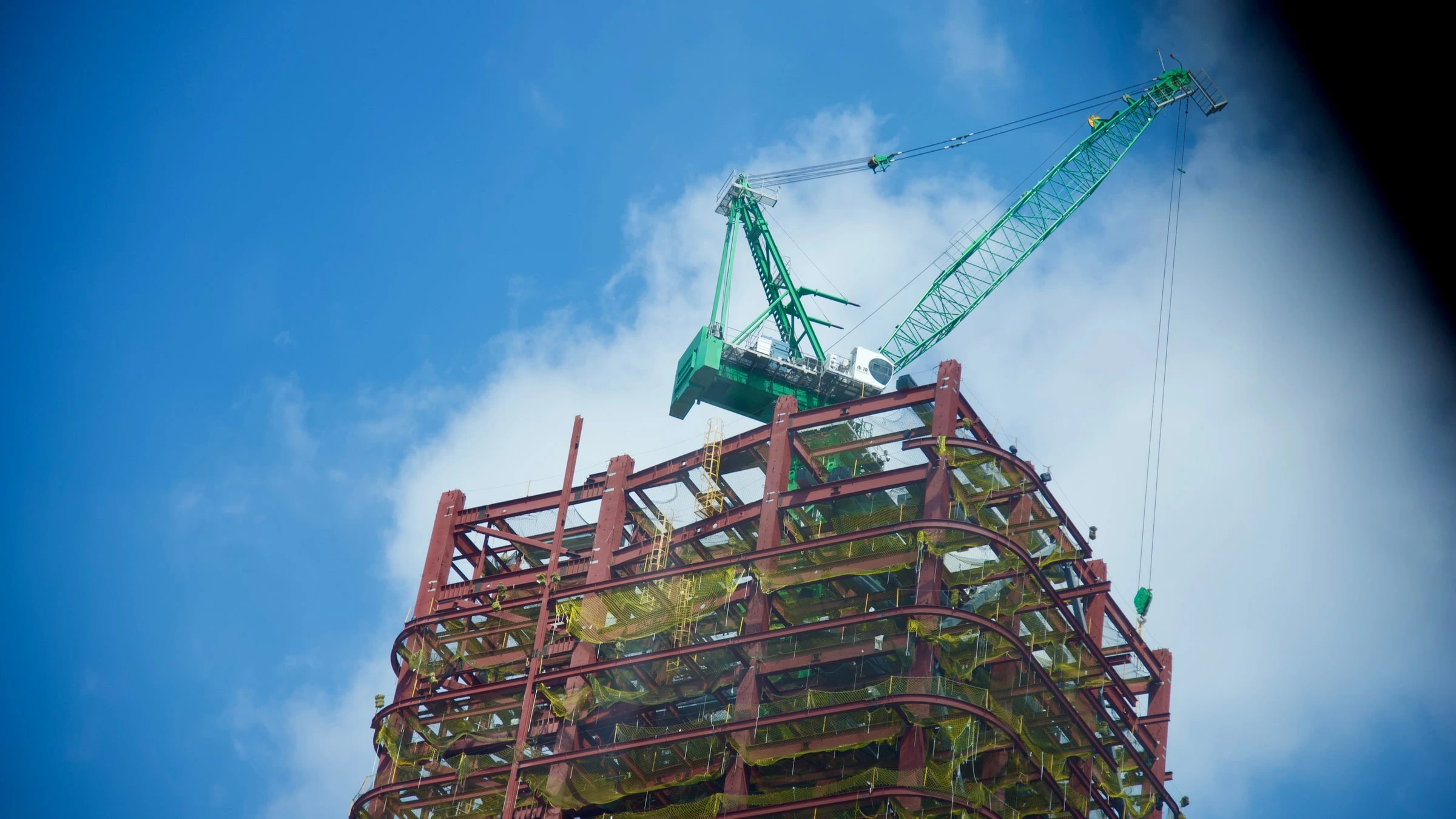
Construction & Modular Housing
SteelHomes: The Capital Package for a 12× Capacity Step-Change
$60Mequity raise to fund a robotics-driven production plant
A complete, funding-ready capital package for a steel-built housing company
Read the engagement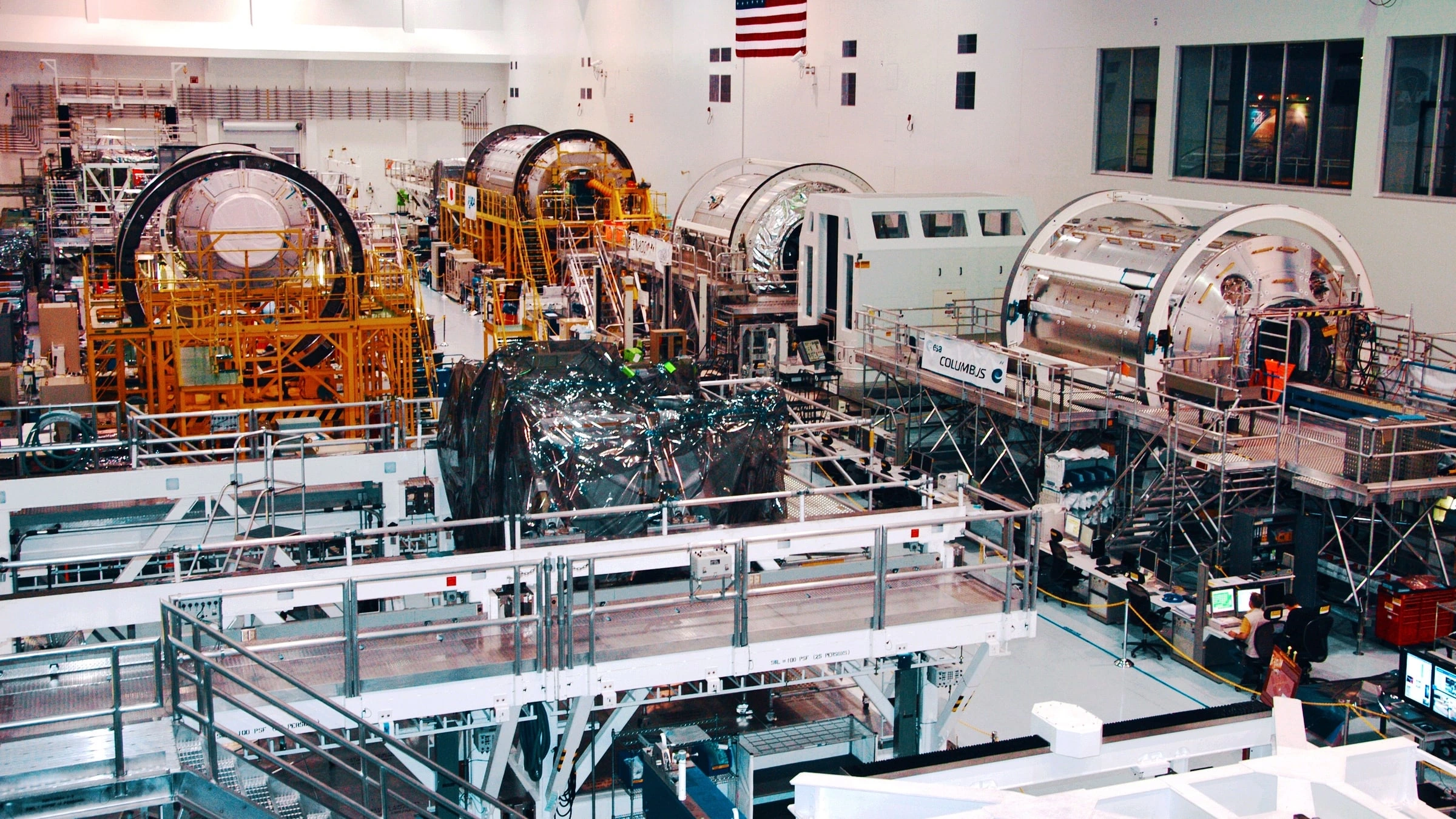
Industrial Equipment & Restoration
AlorAir Solutions: Positioning a Restoration-Equipment Manufacturer
Buyer-readya capability statement a buyer can scan in a minute
A sharpened position and buyer-ready materials for an equipment manufacturer
Read the engagement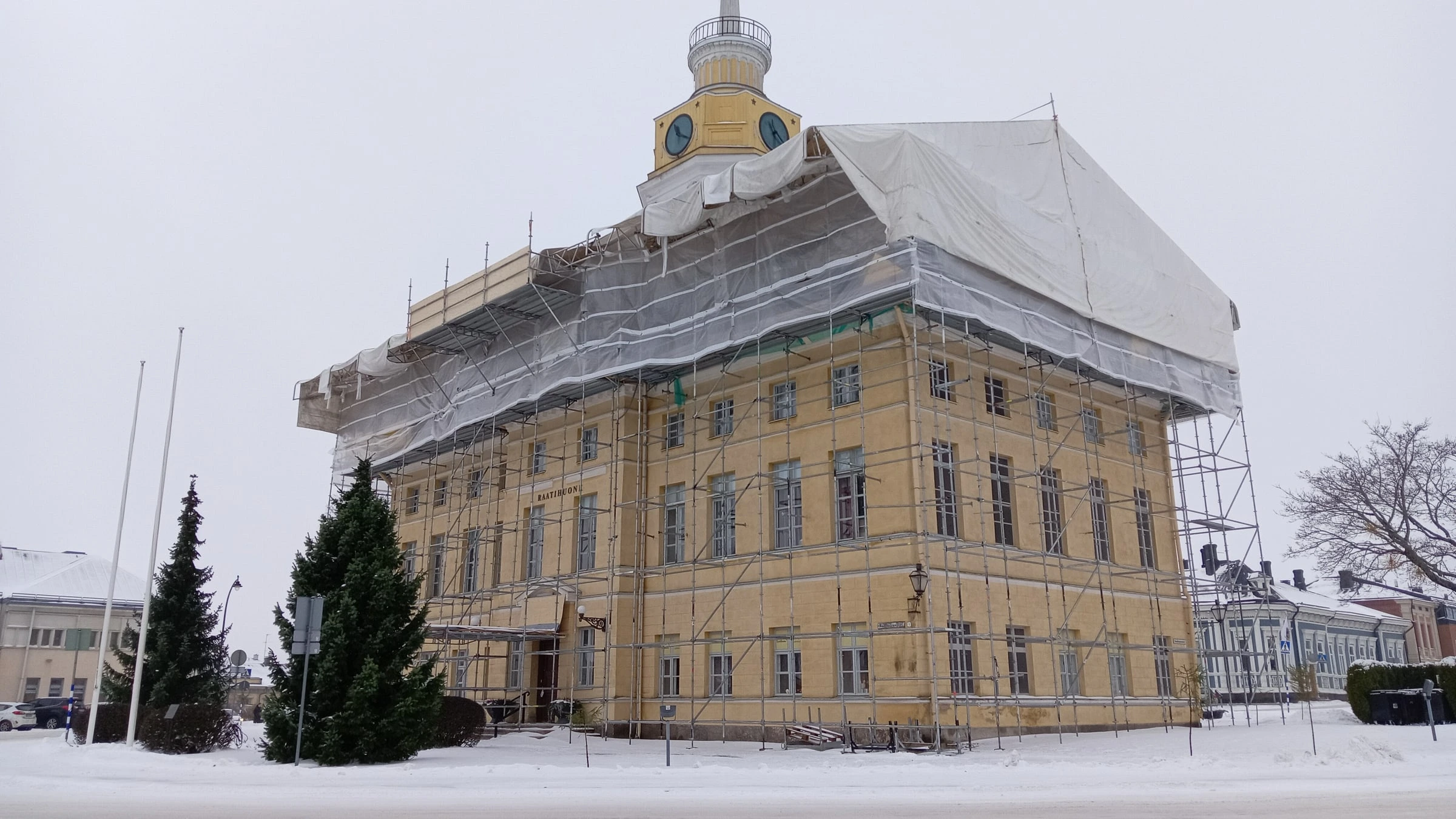
Construction & Restoration
EmpireWorks Reconstruction: A Growth Plan for a Reconstruction Firm
Goal-drivena plan organized around explicit business goals
A financing-ready plan, brand, and deck for a reconstruction firm
Read the engagementThe Full Practice