
Business Plans & Funding · Manufacturing Funding-ready plans built on your real unit costs and capacity
We build investor- and lender-grade plans, models, and packages from your actual unit economics, capacity, and capital needs. Every projection ties to a driver a bank, equipment lender, or investor can test, with nothing fabricated.
The Outcome
What a fundable plan actually gives you
Not a template full of optimistic numbers — an investor- and lender-grade plan built from your real drivers.
A plan capital providers can underwrite
A complete plan and model built on your unit cost, capacity, and margin structure, in the terms lenders and investors expect.
A model grounded in real production economics
A projection driven by cost per unit, throughput, and utilization, so profitability and capital needs hold up under scrutiny.
The right mix of capital
A clear read on SBA, equipment financing, a bank line, or equity for the specific investment, with the package each requires.
How we work
Here’s how we’d build it — from your drivers, not a template
We won’t hand you a boilerplate plan with invented projections. What follows is exactly how we’d build your business plan and funding materials — from your real numbers, with transparent, defensible assumptions, and honesty about what can’t be known before you launch. Every figure traces to a source or a stated assumption, so the plan holds up when a lender or investor pressure-tests it.
Who it’s for: For manufacturers and product-company owners financing equipment or a plant expansion, funding a working-capital or inventory ramp, seeking an SBA loan, or raising equity to scale production, who want senior help building a funding-ready plan on real production economics.
What We Build
What we'd build for your company
Four connected work products that turn your cost structure and capacity plan into a package a lender or investor can act on.
Business plan
The plan capital providers read first
The challenge: many manufacturing plans describe the product but underweight the economics that decide funding, cost per unit, capacity, utilization, and the capital intensity of scaling.
What we’d build: a full written plan covering your product lines, market and customer base, production model and capacity, supply chain, competitive position, team, and use of funds, in the plain financial language lenders and investors respond to.
Financial model
A projection built on unit cost and capacity
The challenge: models that assume margins expand smoothly with volume, without modeling capacity limits, capex step-changes, or inventory build, misstate exactly the numbers a capital provider tests.
What we’d build: a driver-based model built on cost per unit, throughput and capacity utilization, gross margin by product line, and the capex and working-capital investment that scaling production actually requires, with inventory and payment cycles modeled explicitly.
Lender / equipment package
A financing package built for capital equipment
The challenge: equipment, SBA, and bank financing each require a specific file, and manufacturers often approach lenders without the capacity, throughput, and payback analysis those files demand.
What we’d build: a lender-ready package with the plan, historical financials, projections, and an equipment or capex payback analysis, assembled to fit an equipment loan, SBA 7(a), or bank facility so underwriting can proceed.
Funding strategy
The right capital stack and diligence readiness
The challenge: a plant expansion may best be funded by an equipment loan plus a working-capital line rather than a single facility or an equity round, and choosing wrong raises cost or dilution needlessly.
What we’d build: a funding-path recommendation across SBA, equipment financing, bank/debt, and equity, often as a blended stack, plus a diligence-readiness review so your cost data, financials, and projections are consistent before anyone underwrites them.
The Fuller Scope
Other ways manufacturers use this engagement
The same core materials adapt to the specific investment you are financing.
Equipment or machinery financing
A plan and payback model showing how a machine purchase changes capacity, unit cost, and margin, sized for an equipment lender.
Plant expansion or new facility
A plan and model separating the incremental economics and capital need of a new line or facility from the existing business, built for a blended debt package.
Working-capital and inventory ramp
A cash-cycle model showing the inventory and receivables build a volume ramp requires, sized for a bank line or SBA facility.
SBA loan for growth or acquisition
A plan and projection package for expansion or acquiring a supplier or competitor, assembled to fit an SBA 7(a) file.
Equity raise to scale production
An investor deck, model, and data room for a raise to fund capacity ahead of demand, with unit economics pressure-tested.
New product line launch
A projection for adding a product line, modeled on realistic tooling, cost, and volume assumptions rather than best case.
Refinancing or restructuring debt
A plan and package to consolidate equipment and operating debt into a cleaner structure a bank or SBA lender can evaluate.
What a fundable plan has to prove
The drivers we build your model around
Funders scrutinize a handful of things before they say yes. Here’s what our work is built to prove.
Cost per unit
Fully loaded cost per unit across materials, labor, and overhead, the foundation of every margin and pricing figure in the plan.
Capacity and utilization
Throughput and how fully capacity is used, so the model shows where a capex step-change becomes necessary.
Gross margin by product line
Margin split by product, so profitability reflects your real mix rather than a single blended rate.
Capex and payback period
Equipment investment and the time to recover it through added capacity or lower unit cost, the number equipment lenders weigh.
Inventory and working-capital cycle
Raw, WIP, and finished-goods inventory plus payment timing, sizing the working capital a production ramp ties up.
Customer and order concentration
How dependent revenue is on top customers or orders, a risk lenders and investors will probe directly.
We build projections from your company's real drivers: actual cost per unit, throughput and capacity data, product-line margins, and the payment cycles your accounting shows. For an established manufacturer, the base case is anchored to your real cost structure and capacity, with capex and working capital modeled as scaling truly requires. For an early-stage or pre-production company, we say so plainly and build from engineering cost estimates, supplier quotes, and comparable benchmarks, labeling every assumption rather than presenting it as proven. We do not invent throughput, understate unit cost, or borrow another company's results to fill a gap.
The Engagement
Investor- and lender-grade, and yours to defend
A scoped engagement built from the drivers you actually control — not a fill-in-the-blank template. We build the plan, the model, and the funding materials, then prep you to defend every number in the room.
Sourced and honest. Every projection ties to a real driver or a stated assumption, downside cases are shown rather than hidden, and where something can’t be known yet we say so — a plan built to survive diligence, not to flatter a raise.
Every raise is different. The scoping call is where we map your drivers and your funding path.
How It Works
From drivers to a plan funders trust
-
Discovery & drivers
We map the real operating and financial drivers — model, market, unit economics — and the exact funding you’re pursuing.
-
Plan & model
A clear business plan and driver-based financial model with a transparent assumptions layer everything flexes from.
-
Funding materials
The pitch deck or lender/SBA package your raise needs, built from the same model so the story and the numbers never diverge.
-
Diligence readiness
We pressure-test the plan against the questions a lender or investor will ask — use of funds, repayment, returns — and fix what doesn’t hold.
-
Support the raise
You get a documented plan your team owns, plus support taking it into the loan application, the pitch, or the investor meeting it was built for.
FAQ
Manufacturing & Products — business-plan & funding questions
Can you help finance a specific machine or piece of equipment?
Yes. We build the payback model showing how the equipment changes capacity, unit cost, and margin, and assemble it into an equipment-loan or SBA package. The lender underwrites; we make the case.
How do you handle a pre-production company with no output yet?
We build from engineering cost estimates, supplier quotes, and comparable benchmarks, and are explicit about what is proven versus assumed. We never present a pre-production estimate as if it were actual production data.
Should I use debt or equity to fund an expansion?
Often a blend. Equipment and capacity investments frequently suit debt, which is non-dilutive, while a step-change ahead of demand may warrant equity. We recommend a specific capital stack for your situation, not a default.
Will the model handle capacity limits and capex step-changes?
Yes. We model throughput and utilization so the plan shows where added capacity is needed and the capex it requires, rather than assuming margins expand smoothly forever.
Can you help with an SBA loan?
Yes. For growth, equipment, or acquisition, we assemble the SBA-ready plan, financials, and projections the 7(a) file requires. The lender makes the credit decision.
Do you guarantee we will get funded?
No. Funding decisions rest with lenders and investors. We control the quality and completeness of your materials, which is where most capital-intensive deals are won or lost.
Who does the work?
Senior consultants build the plan, model, and package directly, working from your real cost and capacity data rather than a template.
Can you build on financials we already have?
Yes. If you have cost data and financials, we can build the model and funding package on top of them and tighten the narrative, whichever gets you to a credible file faster.
Proven Work
Our work in Construction, Industrial & Logistics
Engagements from the same sector as Manufacturing & Products — each with the figures it published.
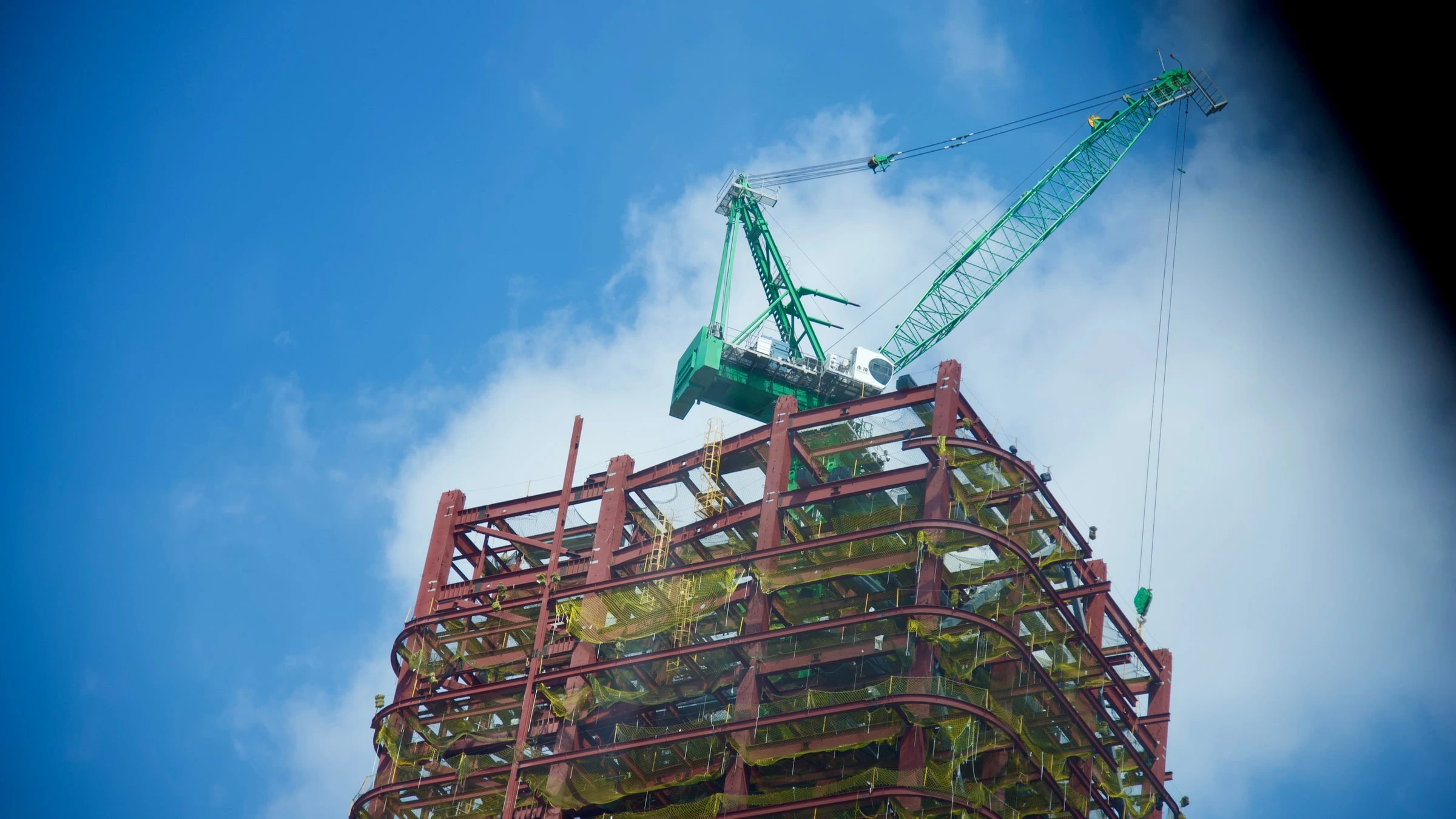
Construction & Modular Housing
SteelHomes: The Capital Package for a 12× Capacity Step-Change
$60Mequity raise to fund a robotics-driven production plant
A complete, funding-ready capital package for a steel-built housing company
Read the engagement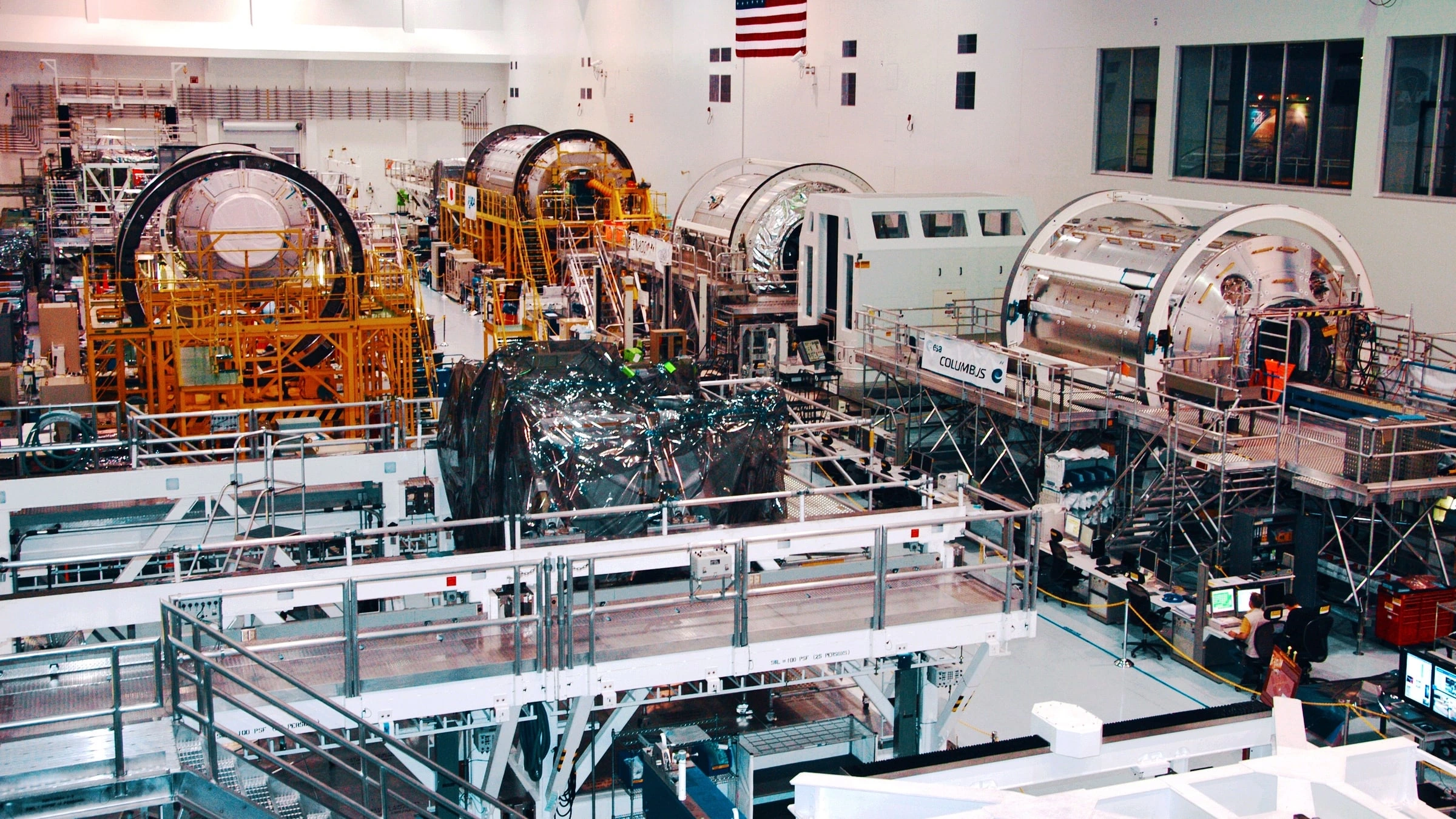
Industrial Equipment & Restoration
AlorAir Solutions: Positioning a Restoration-Equipment Manufacturer
Buyer-readya capability statement a buyer can scan in a minute
A sharpened position and buyer-ready materials for an equipment manufacturer
Read the engagement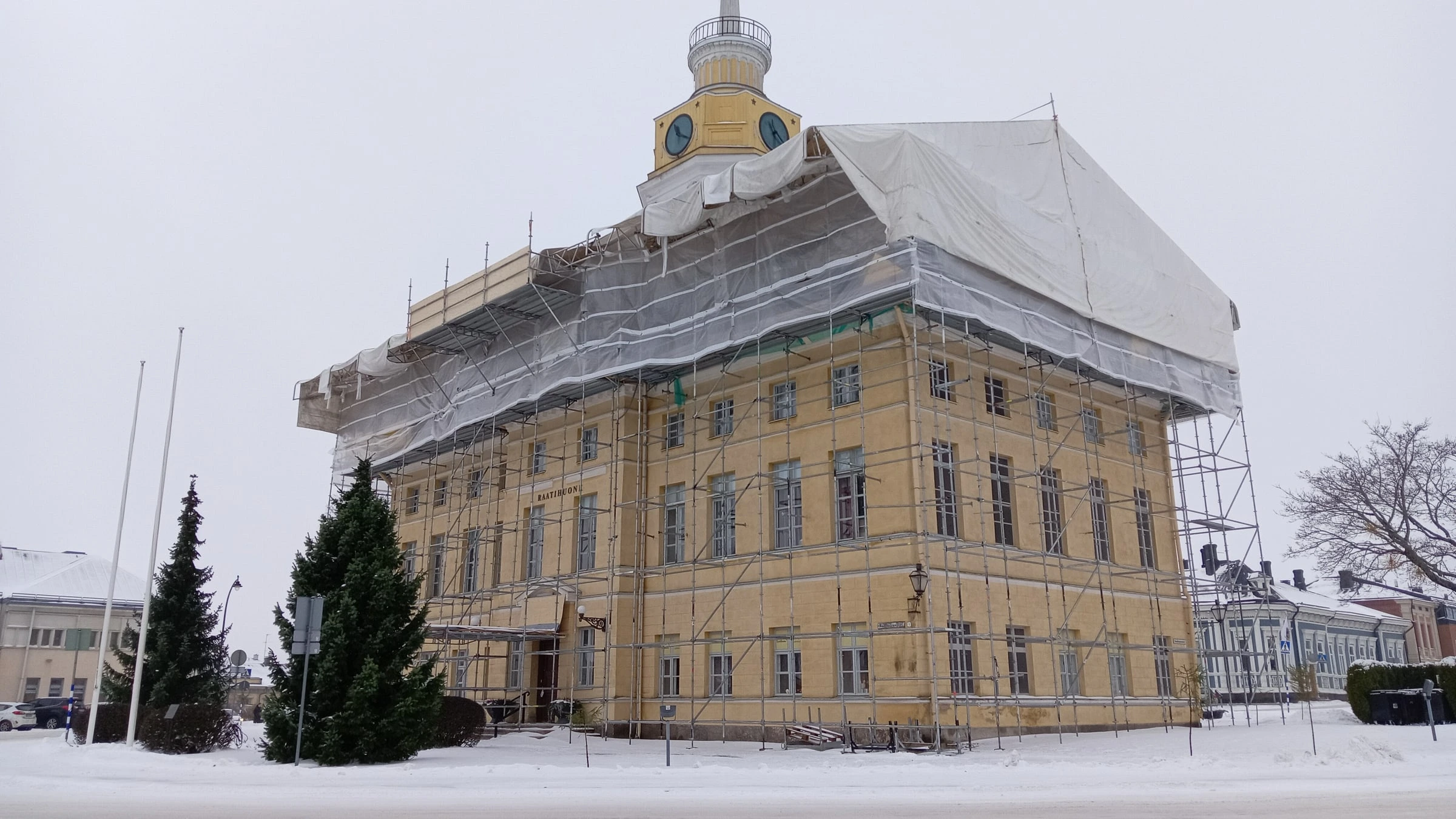
Construction & Restoration
EmpireWorks Reconstruction: A Growth Plan for a Reconstruction Firm
Goal-drivena plan organized around explicit business goals
A financing-ready plan, brand, and deck for a reconstruction firm
Read the engagementThe Full Practice