
Business Plans & Funding · Real Estate Development Deal packages that hold up with lenders and equity
We build the pro forma, capital stack, and offering materials a developer needs to secure construction debt and raise equity for a project. Every assumption is grounded in your real costs, rents, and comps, never a spreadsheet built to hit a target return.
The Outcome
What a fundable plan actually gives you
Not a template full of optimistic numbers — an investor- and lender-grade plan built from your real drivers.
A pro forma that survives scrutiny
Development budget, rent roll, and returns modeled from your real costs and comps, so lenders and LPs can trust the numbers.
A capital stack that closes
Debt and equity structured to work together, with sources and uses that pencil and a returns split investors accept.
Materials for both sides of the table
A lender package and an investor offering that tell one consistent story, so financing and equity come together on schedule.
How we work
Here’s how we’d build it — from your drivers, not a template
We won’t hand you a boilerplate plan with invented projections. What follows is exactly how we’d build your business plan and funding materials — from your real numbers, with transparent, defensible assumptions, and honesty about what can’t be known before you launch. Every figure traces to a source or a stated assumption, so the plan holds up when a lender or investor pressure-tests it.
Who it’s for: Developers and sponsors financing ground-up projects, value-add repositioning, or acquisitions, who need a construction or bridge loan package and an equity offering built to institutional and private-lender standards.
What We Build
What we'd build for your project
Four connected work products, built from your real deal assumptions, that together form the financing and equity package developers need to fund a project.
The Plan
Investment business plan and deal narrative
The challenge: A deal without a narrative is just a spreadsheet. Lenders and LPs want the thesis, the market, the sponsor track record, and the exit, not just a return number.
What we’d build: A project business plan covering the investment thesis, market and submarket analysis, development or repositioning strategy, sponsor experience, timeline, and exit, framed for lenders and equity alike.
The Model
Development pro forma and returns model
The challenge: Reverse-engineered pro formas that back into a target IRR get caught immediately. Underwriters and sophisticated LPs test every assumption, from hard costs to exit cap.
What we’d build: A full development pro forma: land and hard and soft costs, financing costs, lease-up or absorption, stabilized NOI, and exit, producing levered and unlevered IRR, equity multiple, and cash-on-cash, with sensitivity on the assumptions that move the deal.
The Package
Construction loan and lender package
The challenge: Construction lenders decline incomplete files. Without a defensible budget, sources and uses, and coverage analysis, the loan request never reaches committee.
What we’d build: A construction or bridge loan package: development budget, sources and uses, loan-to-cost and loan-to-value, projected DSCR at stabilization, and the sponsor and project documentation a construction lender requires.
The Strategy
Capital stack and equity offering readiness
The challenge: Sponsors underestimate how much equity they need and how it's structured. A vague waterfall or an under-capitalized stack scares off the LPs and lenders you need.
What we’d build: A capital stack strategy covering the debt and equity mix, a clear equity waterfall and preferred return, an investor offering summary, and a diligence-readiness pass before you approach lenders and LPs.
The Fuller Scope
Other ways we support developers and sponsors
Beyond the core deal package, we help with the capital and planning work that comes up across a development pipeline.
Value-add and repositioning
We model the renovation budget, rent premiums, and stabilized exit so a value-add thesis holds up in underwriting.
Acquisition underwriting
We build the acquisition pro forma and validate broker assumptions so you know a deal before you tie it up.
Equity offering summaries
We produce the investor-facing offering summary and returns presentation that private LPs expect to see.
Refinance and permanent debt
We build the case and package to move from construction or bridge debt into permanent financing at stabilization.
Portfolio and fund-level planning
For sponsors raising a fund or managing a portfolio, we build the roll-up model and strategy narrative.
Sensitivity and downside scenarios
We stress the pro forma on rents, costs, timeline, and exit cap so you and your capital see the downside honestly.
Sources-and-uses structuring
We structure the full capital stack so land, construction, carry, and contingency are funded without gaps.
What a fundable plan has to prove
What a fundable deal package has to prove
Funders scrutinize a handful of things before they say yes. Here’s what our work is built to prove.
Defensible pro forma assumptions
We ground rents, costs, and exit cap in real comps and sponsor data, not numbers reverse-engineered to a target IRR.
Repayment capacity / DSCR
We model debt service coverage at stabilization so the construction lender sees the takeout and the repayment.
Loan-to-cost and loan-to-value
We build the sources and uses and leverage ratios lenders size to, so the ask fits their box.
Sponsor track record
We frame your experience and completed projects the way lenders and LPs weigh sponsor risk.
Capital stack integrity
We show that debt, equity, and contingency fully fund the project, so it doesn't stall mid-construction.
Exit and downside
We test the exit and downside scenarios so capital sees a deal that works even when assumptions move against it.
We build from your real deal inputs: land or acquisition cost, hard and soft cost budgets, contractor bids where available, market rents and sale comps, financing terms, and your projected timeline. Returns come out of those assumptions rather than being reverse-engineered to hit a headline IRR. Where a number can't be known yet, such as final lease-up pace or exit cap, we show the assumption, source it to comparable data, and run sensitivity around it instead of presenting a single false-precision result. We never fabricate rents, understate costs, or build a pro forma designed to look better than the deal is.
The Engagement
Investor- and lender-grade, and yours to defend
A scoped engagement built from the drivers you actually control — not a fill-in-the-blank template. We build the plan, the model, and the funding materials, then prep you to defend every number in the room.
Sourced and honest. Every projection ties to a real driver or a stated assumption, downside cases are shown rather than hidden, and where something can’t be known yet we say so — a plan built to survive diligence, not to flatter a raise.
Every raise is different. The scoping call is where we map your drivers and your funding path.
How It Works
From drivers to a plan funders trust
-
Discovery & drivers
We map the real operating and financial drivers — model, market, unit economics — and the exact funding you’re pursuing.
-
Plan & model
A clear business plan and driver-based financial model with a transparent assumptions layer everything flexes from.
-
Funding materials
The pitch deck or lender/SBA package your raise needs, built from the same model so the story and the numbers never diverge.
-
Diligence readiness
We pressure-test the plan against the questions a lender or investor will ask — use of funds, repayment, returns — and fix what doesn’t hold.
-
Support the raise
You get a documented plan your team owns, plus support taking it into the loan application, the pitch, or the investor meeting it was built for.
FAQ
Real Estate Development — business-plan & funding questions
Can you get my project financed?
We build the pro forma, lender package, and offering that give a project its best shot with construction lenders and equity, but we can't guarantee financing. The outcome depends on the deal, the market, and the capital environment.
Will you build the pro forma to hit the return I need?
No. We build the pro forma from real assumptions and show what the deal actually produces. Reverse-engineering a spreadsheet to a target IRR is exactly what sophisticated lenders and LPs catch, and it destroys your credibility. If the numbers don't work, you want to know before you raise.
Do you raise the equity for us?
No. We prepare the offering materials and returns model that help you raise, but we don't broker capital or solicit investors. The relationships and the raise are yours.
How do you handle assumptions we can't know yet, like exit cap rate?
We source them to comparable data, label them clearly as assumptions, and run sensitivity so you and your capital see how the returns move if they change. We never present an unknowable number as certain.
Can you underwrite a deal before we buy it?
Yes. We build the acquisition pro forma and stress-test the broker's assumptions so you understand the deal before you tie it up or go hard on a deposit.
What's the difference between a construction loan and a bridge loan package here?
A construction loan funds ground-up or major work in draws against a budget; a bridge loan funds acquisition or transition to stabilization. We build the package to whichever fits your project and structure the takeout accordingly.
How long does a deal package take?
A full pro forma, plan, and package typically runs a few weeks depending on how complete your cost and comp data is. Acquisitions under contract can move faster when timelines demand it.
What do you need from us to start?
Your cost budget or contractor bids, land or acquisition terms, market comps or a rent study, financing terms you're pursuing, and your project timeline. The more real deal data you bring, the more defensible the pro forma.
Proven Work
Our work in Real Estate & Hospitality
Engagements from the same sector as Real Estate Development — each with the figures it published.

Golf, Recreation & Hospitality
Reid Park Golf Course: The Plan Behind a Recreation Destination
$5M–$8Mthe capital-improvement raise the package is built to support
A financing-ready plan and full package for a golf and recreation venture
Read the engagement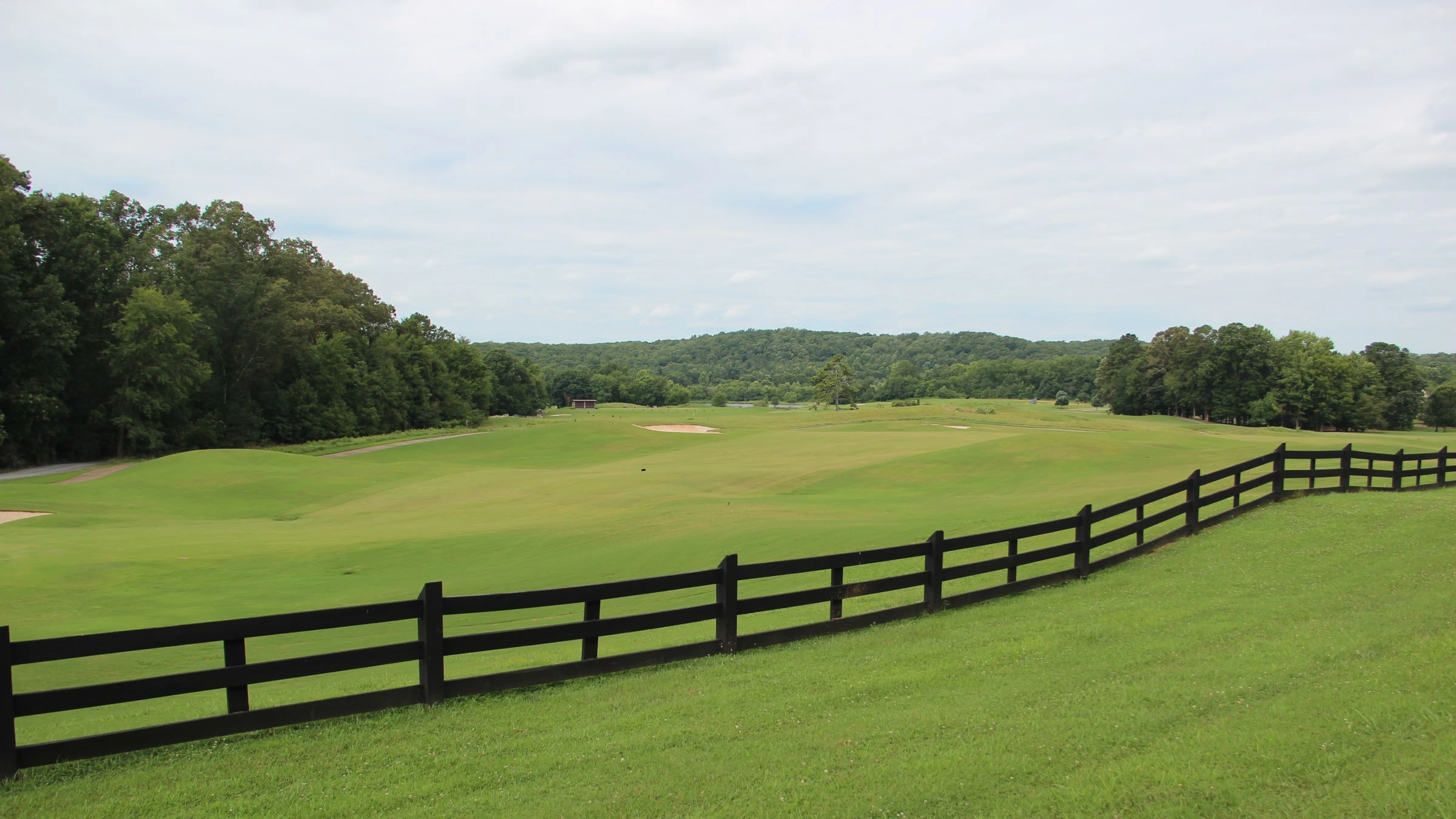
Hospitality & Private Membership
The New Modern Country Club: The Numbers Behind a Members-Only Wellness Destination
$12.5Mcapital modeled, returning a 17.45% five-year IRR
A fundable structure, a defensible market case, and a full investor package for a private wellness club
Read the engagement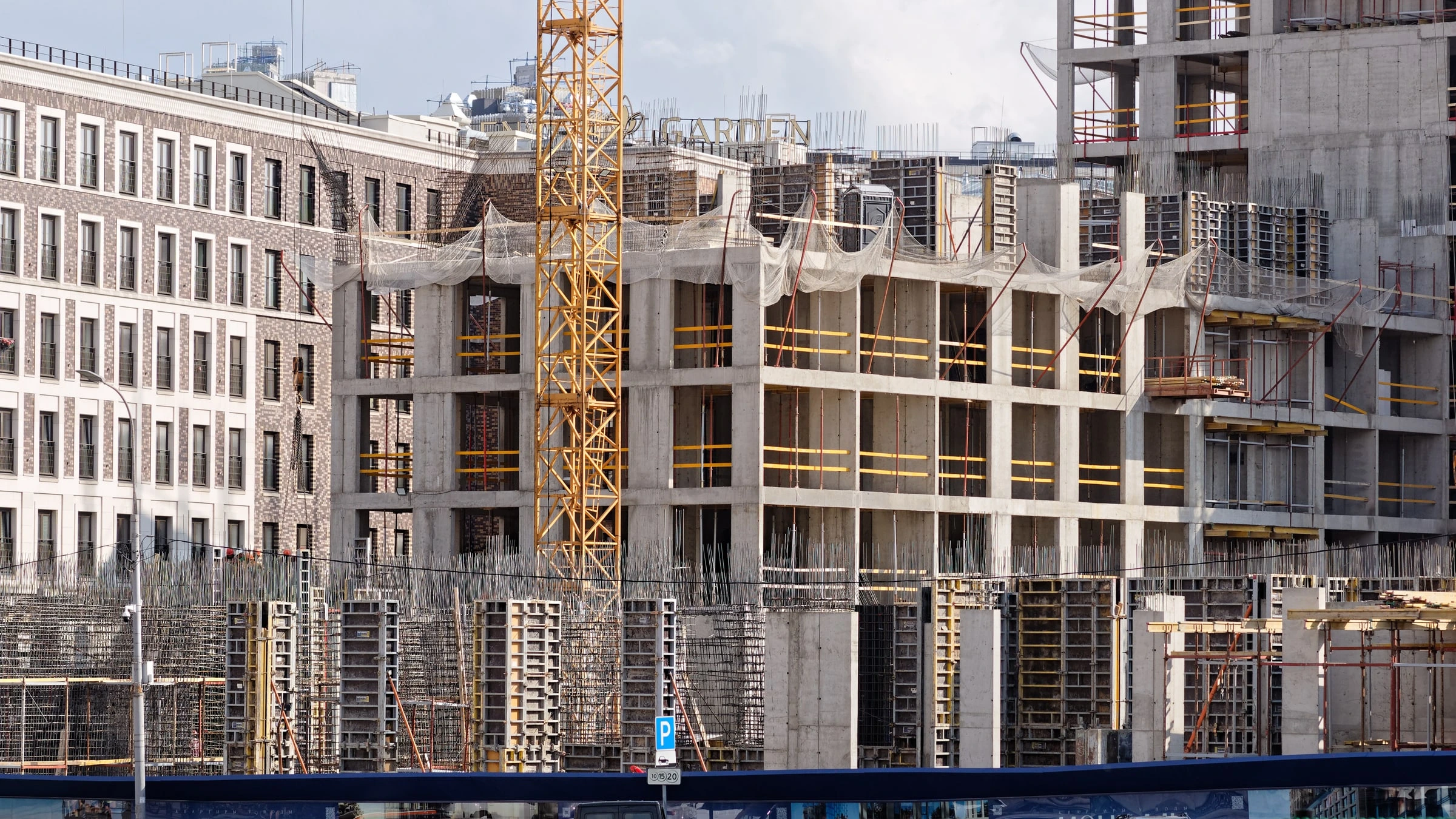
Homebuilding & Affordable Housing
Link Home Builders: A Capital Package for Affordable Housing
Mission-builta plan organized around genuine affordability
A plan, model, brand, and website that make an affordability mission fundable and visible
Read the engagementThe Full Practice