
Fractional COO · Multi-Unit Restaurants Make every location run like your best one
We embed a senior operating leader across your units to document what your top store does right, make labor and food cost visible in real time, and install the cadence that keeps every GM accountable. Your managers get sharper and more self-sufficient, not more dependent on you.
The Outcome
What embedded operating leadership does for you
Not another advisor — a senior operator inside your business, installing systems and running them with your team.
Consistency across every location
The standards that make your best unit great become written SOPs and checklists every store runs to, so the guest experience stops depending on which manager is on shift.
Labor and food cost you can see weekly
A live dashboard puts prime cost in front of every GM while the week is still live, instead of waiting for a P&L that arrives too late to change anything.
A cadence that holds GMs accountable
A weekly operating rhythm connects the numbers to named owners and actions, so problems get caught at the store level before they hit the whole group.
How we work
Here’s what we’d install — and run with your team
We won’t hand you an org-chart deck and disappear. What follows is exactly what we’d build inside a business like yours — SOPs, dashboards, and an operating cadence — and how we’d prove it’s working. We set an operational baseline first, install the systems on the tools you already run, and measure against that baseline, so you know what each fix is worth before we build it.
Who it’s for: Multi-unit restaurant, cafe, and food-service operators (roughly 3-40 locations) where the founder or ops director is stretched across every store, prime cost drifts from unit to unit, and scaling has outpaced the systems, so opening the next location feels more like a gamble than a playbook.
The Core Systems
The operating system we install across your units
Great restaurant groups run on repeatable execution. We make your standards explicit, put the two numbers that decide profit in front of every manager, and fix the biggest operational leak, working the line and the back office with your team rather than emailing you a deck.
SOPs & Process Documentation
Playbooks that make consistency the default
The problem: your best store runs beautifully and your newest one improvises. Prep, line setup, opening and closing, and food safety all vary by who is working, which shows up as inconsistent guest experience, waste, and stress.
What we’d build: line-level SOPs and checklists for prep, station setup, open and close, cleaning, and food-safety compliance, captured from your strongest operators, so every location, and every new hire, has one clear standard to run to.
KPI Dashboards & Visibility
Prime cost in front of every manager, weekly
The problem: labor and food cost, the two numbers that decide whether a unit makes money, are only visible in a month-end P&L, long after the overtime was worked and the waste hit the trash. GMs manage blind.
What we’d build: a weekly operations dashboard tracking prime cost, labor percentage, food cost, sales per labor hour, voids and comps, and waste by location, pulled from your POS and scheduling tools, so every GM sees their numbers in time to act on them.
Operating Cadence & Accountability
A weekly rhythm that keeps GMs on the hook
The problem: without a standing rhythm, accountability lives in one-off phone calls and reactive visits. Wins are not spread, problems fester, and your best practices never make it from the strong store to the weak one.
What we’d build: a weekly GM operating review and a pre-shift cadence, with a standard scorecard, a short agenda, and an action log, so each location owns its numbers, best practices spread across the group, and you lead by rhythm instead of by firefight.
Hands-On Implementation
We fix the biggest profit leak, on the ground
The problem: you probably sense where the money is leaking, over-scheduled labor, portion drift, a broken prep flow, but nobody has the time to actually re-engineer scheduling or re-train the line while also running service.
What we’d build: hands-on implementation of the single biggest operational fix, such as rebuilding labor scheduling to demand, tightening portioning and waste, or fixing kitchen flow, piloted in one unit with your team and then rolled out across the group.
More We Install
Other places we roll up our sleeves
Beyond the core build, here are common operational fixes we take on with multi-unit operators, each scoped against your own numbers and executed with your managers, not delivered as a report you have to roll out alone.
Labor scheduling to demand
Rebuild scheduling around actual sales patterns by daypart so you stop over-staffing slow shifts and under-staffing rushes.
Food-cost and waste control
Put portion standards, waste logs, and recipe costing in place so food cost stops drifting store to store.
New-unit opening playbook
Turn your best opening into a repeatable checklist and timeline so the next location launches on standard instead of by heroics.
Inventory & ordering routines
Standardize par levels, counts, and vendor ordering so kitchens stop running out of key items or over-buying perishables.
Manager onboarding & training
Build a structured GM and shift-lead ramp from your SOPs so new managers reach competence in weeks, not seasons.
Guest-experience standards
Define and measure the service steps that drive repeat visits, then tie them into the pre-shift and review cadence.
Catering & off-premise operations
Systematize the prep, packaging, and handoff for catering and delivery so a growing channel does not break the line.
The Numbers We Move
Operational levers we help you pull
Operations isn’t the goal; moving these is. We set a starting number in the audit and measure against it.
Prime cost
Weekly visibility plus labor and food-cost routines that let each GM manage the number while the week is still live.
Labor percentage
Demand-based scheduling and sales-per-labor-hour targets that match staffing to real traffic.
Food cost & waste
Portion standards, waste logs, and recipe costing that pull spend back toward your target.
Unit-to-unit consistency
Shared SOPs and a common scorecard so the weakest store runs closer to the strongest.
Manager ramp time
A structured onboarding path built from your playbooks that shortens time to a self-sufficient GM.
New-unit opening speed
A repeatable opening playbook and cadence that de-risks each launch and gets it to standard faster.
We begin by capturing your current state, prime cost, labor percentage, food cost, waste, and consistency across units, from your POS and scheduling data. Every improvement is measured against that per-location baseline, so you see genuine movement in your own numbers rather than industry averages or improvement figures we cannot honestly promise in advance.
The Engagement
Embedded in your operation, run by your team
A fractional engagement scoped to your business — a senior operator embedded part-time to document your processes, install dashboards and an operating cadence, and implement the fixes hands-on. Not a report; real operating systems put to work.
You end more capable, not more dependent. We build the systems with your team and hand them off running, so the operation keeps working when the engagement flexes down. Priced as a scoped engagement, scaling to a monthly retainer.
Every operation is different. The audit is where we find your highest-return fix.
How It Works
From operational audit to systems that run themselves
-
Operational audit
We map your workflows, inventory the tools you run, and set baseline numbers so every later result has a starting line to beat.
-
Systemize (SOPs)
We document your core processes into clear SOPs, so the business runs on a system instead of in your head.
-
Dashboards & visibility
KPI dashboards wired to the tools you already use, so the numbers that run the business sit in one place.
-
Operating cadence
A weekly accountability rhythm — the meetings, metrics, and owners that keep execution on track.
-
Implement & hand off
We implement the highest-return fixes hands-on, then hand the systems off running so your team owns them.
FAQ
Restaurants & Multi-Unit — fractional-COO & operations questions
Will you actually work in our restaurants or just review reports?
We work on the ground, in your kitchens and with your GMs, as well as in the back-office numbers. The SOPs, dashboards, and cadence are built with your team so they run them after we step back.
We only have a POS, no fancy ops software. Is that a problem?
No. We build the dashboard and cadence from your POS and scheduling data. If a purpose-built tool would clearly pay for itself, we help you evaluate it, but we do not wait on new software to start making progress.
How is this different from hiring another ops director?
A full-time ops director is a large fixed cost and a long hire. We bring senior operating leadership part-time and immediately, and much of our job is to build the systems that make your own ops leader far more effective.
Can you roll changes out across all our locations at once?
We usually pilot a change in one unit, prove it against that store's numbers, then roll it out with a playbook. That protects the guest experience and gives your GMs a proven pattern to follow.
How much time do we get, and for how long?
It is a part-time embedded engagement, a set number of days per week over a defined window, scoped to how many units you run and how much needs fixing. The commitment steps down as your managers take ownership.
Can you guarantee you will cut our labor or food cost by X percent?
No. We set your baseline first, then target realistic improvement against it and measure it honestly. Any numbers we report are your results, not a percentage borrowed from another operator's story.
Our GMs are protective of their stores. How do you handle that?
We build with them, starting from what your best operators already do well, so the standards feel earned rather than imposed. A fair scoreboard and a shared cadence tend to win skeptical managers over faster than any mandate.
Do you help with menu, marketing, or new concepts?
Our lane is operations, running the units well and profitably. We stay close to menu and marketing where they touch execution and cost, but we are not a branding or culinary-development agency.
Proven Work
Our work in Food & Beverage
Engagements from the same sector as Restaurants & Multi-Unit — each with the figures it published.
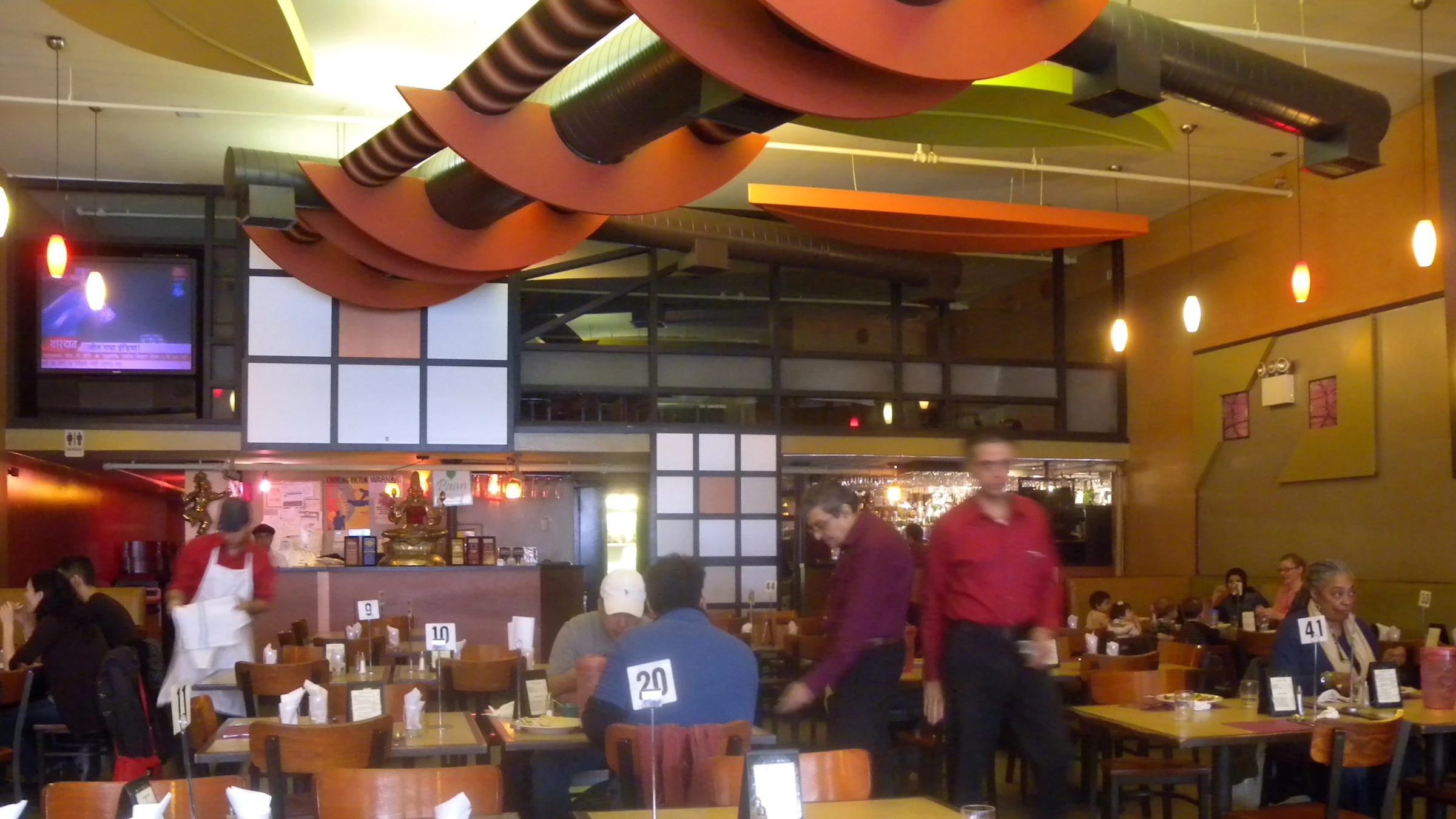
Food & Beverage · Restaurant
Sundara Indian Restaurant: From Caterer to Full-Service, With the Numbers to Fund It
$360K+real first-year catering revenue — proven demand, not a projection
A financing-ready plan and model to convert proven catering demand into a full-service restaurant
Read the engagement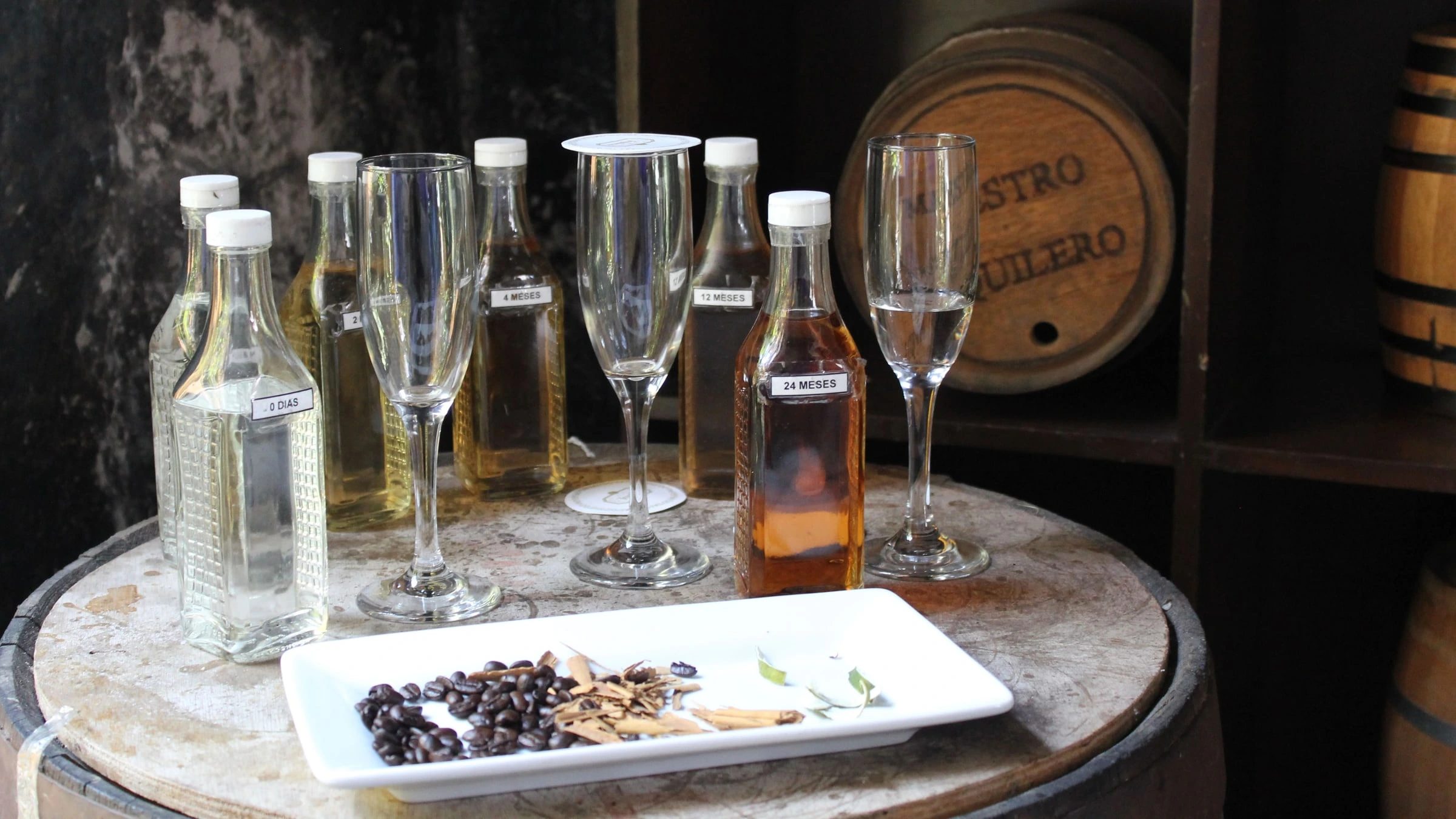
Beverage, Spirits & CPG
Snow Tequila: Rebuilding the Raise Around a Real Model
$1MFounders' Round SAFE, at a 25% discount to Series A
An investor-ready plan, dual-scenario model, and deck matching a standout product with standout documentation
Read the engagement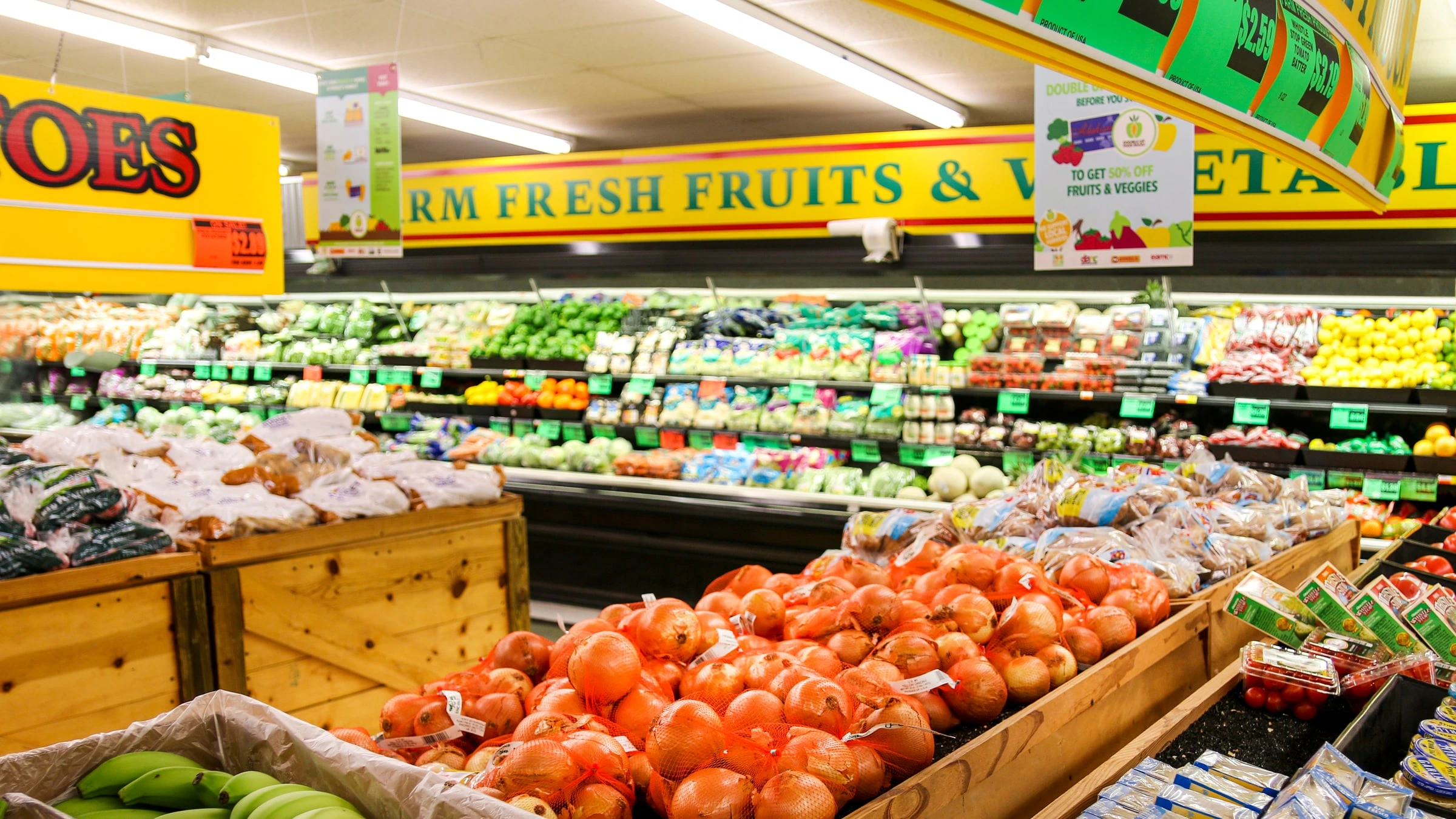
Specialty Retail & Grocery
Friendly Hypermarket: A Plan for a Community Grocery
Focuseda plan built around one clearly defined community
A financing-ready plan and model grounded in a clear market fit
Read the engagementThe Full Practice