
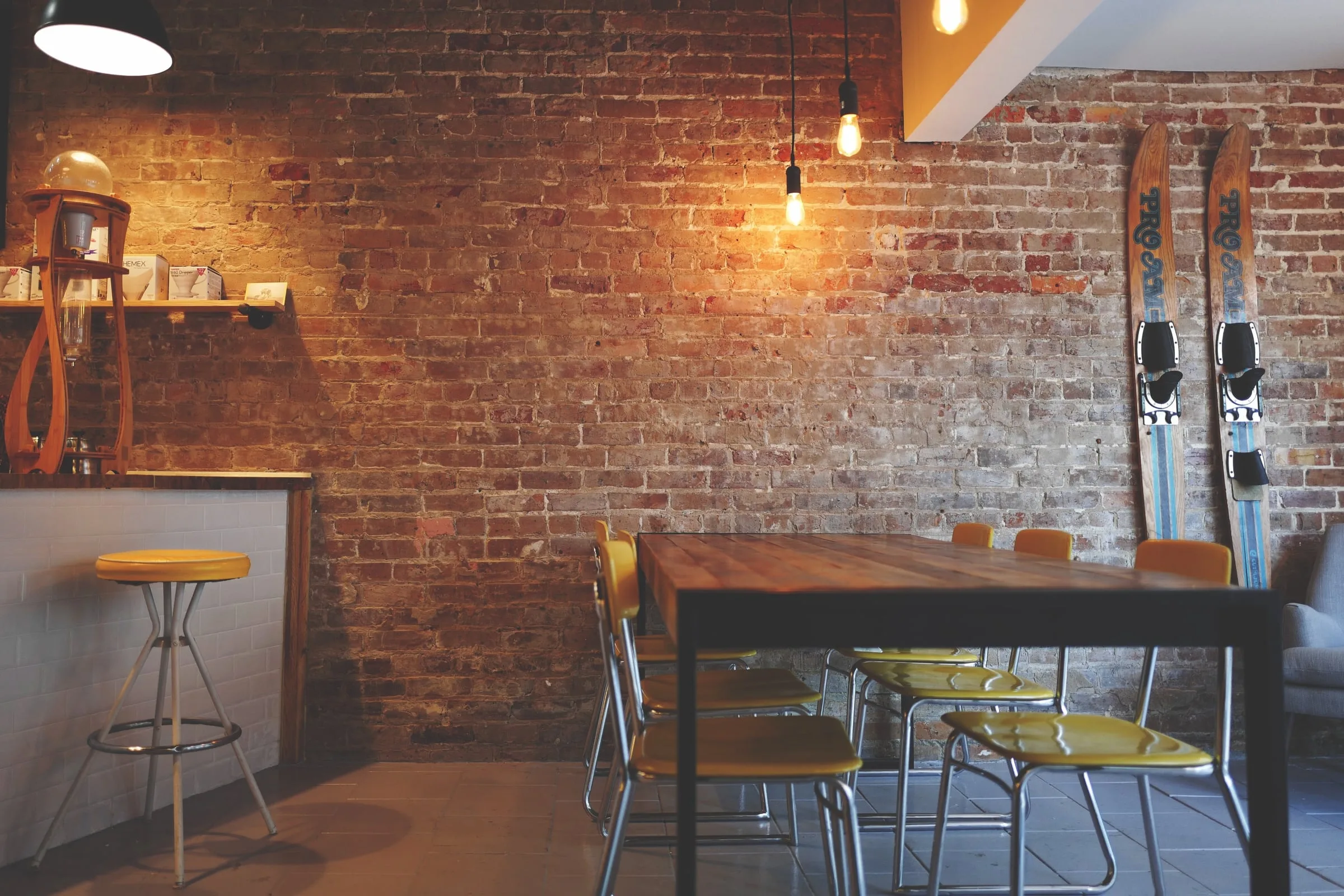
Website Services · Restaurants & Hospitality Load the menu before they change their mind
Someone hungry is one slow tap from picking the place next door. We build sites that open in a blink on a phone, put your menu, hours, and location front and center, and make booking a table or placing an order effortless.
The Outcome
What a CMA-built site actually does
Not a prettier brochure — a site accountable to a number: the leads, bookings, and inquiries you can measure.
More reservations and orders, less friction
Every visit points to a clear next step — book a table, order pickup, or get directions. Buttons that are obvious and fast turn a hungry browser into a covered seat or a placed order.
Found the moment they are deciding
Tied to Google Business Profile and maps with current hours, menu, and photos, so when someone searches nearby and hungry, you are the place that shows up ready to be chosen.
A menu people can read on a phone
No pinch-to-zoom PDF, no broken layout. Your menu loads instantly and reads cleanly on the small screen where nearly everyone actually looks at it.
How we work
Here’s what we’d build — accountable to a number, not a mood board
We won’t sell you a redesign and call a nicer look a result. What follows is exactly what we’d build for a site like yours, and how we’d prove it’s working. We baseline your current site’s numbers first, build around the way your customers actually find and choose you, and measure the new site against that starting point — no invented lift.
Who it’s for: For independent restaurants, cafes, bars, and small hospitality groups who live and die by walk-ins, reservations, and repeat regulars — and whose current site hides the menu behind a slow PDF, forgets to mention the hours, or falls apart the second it opens on a phone.
The Core Build
Four systems that turn hungry searchers into full tables
People decide where to eat on their phone in under a minute. These four pieces make sure that minute ends with your table booked, your order placed, or your door as the destination.
Mobile menu
A menu that opens instantly and reads clean
The problem: The menu is the one thing every visitor wants, and it’s usually a slow PDF that demands pinch-and-zoom. People give up and choose somewhere they can actually read.
What we’d build: A real web menu — fast, searchable, and easy on a phone — that you can update in minutes when a price changes or a special sells out, with no designer and no re-uploaded PDF.
Reservations
Booking a table without leaving the page
The problem: A “call to reserve” line during a dinner rush is a lost booking. So is bouncing guests out to a clunky third-party page and hoping they come back.
What we’d build: Your reservation platform — OpenTable, Resy, Tock, or SevenRooms — embedded so guests can book in a couple of taps, right where they are already looking at the menu and the room.
Online ordering
Pickup and delivery that keep the margin
The problem: The commission apps skim a brutal cut of every order and own your customer. Sending everyone to them by default is renting your own regulars back at a markup.
What we’d build: A clear path to order — your own or an integrated system like Toast or Square — placed above the third-party links, so the guests who would order direct actually can, and you keep more of the check.
Local & maps
Show up when they search nearby and hungry
The problem: Wrong hours on Google, a pin in the wrong spot, or a menu that doesn’t match the door turns a ready customer into a one-star surprise before they arrive.
What we’d build: Google Business Profile alignment, accurate maps and hours, and local SEO so you appear for “near me” searches with details a hungry stranger can trust on sight.
More We Build
Other ways the site earns its keep
Once the menu, bookings, and ordering are pulling their weight, these are the additions that fill the private room, lift the average check, and bring people back.
Private events and large parties
The buyout, the rehearsal dinner, the office holiday party — high-value bookings that deserve their own page and a simple inquiry form instead of a buried email address.
Catering and big orders
Office lunches and family trays are repeat, high-ticket business. A clear catering page with lead times, minimums, and a request form turns a vague call into a real order.
Photography that sells the room
People eat with their eyes and choose a vibe. Real photos of the food, the space, and a full room do more to fill seats than any paragraph of copy.
Specials and seasonal menus
Brunch, happy hour, a new tasting menu — content you can post and pull yourself, the day it matters, without waiting on anyone to update the site.
Email and loyalty capture
A simple sign-up in the right spot builds a list you own — the audience you can fill a slow Tuesday or launch a new menu to, without paying a platform to reach your own guests.
Multiple locations or concepts
One group, several rooms — structured so each location or concept has its own menu, hours, and bookings while sharing a clean, consistent home.
Direct vs. third-party economics
We lay out plainly where commissions eat your margin and design the ordering and reservation flow to steer willing guests to the direct path — without hiding the options they expect.
The Numbers We Move
The numbers a site should move
A site is only worth what it produces. We set a starting number and measure the build against it.
How fast does the menu load on a phone?
A lightweight web menu — not a PDF — that opens instantly on cell data, before a hungry visitor gives up and scrolls on.
What share of visitors book or order?
Obvious, always-visible buttons for reserve and order, embedded so guests never leave the page to act.
Do you show up in “restaurants near me” and on the map?
Google Business Profile alignment, accurate hours and location, and local SEO aimed at nearby-and-hungry searches.
How many orders come direct instead of through commission apps?
A direct ordering path placed ahead of the third-party links, so you keep more of every check you can.
How current are your hours, menu, and prices?
A menu and hours the team can update in minutes, so what’s on the site always matches what’s at the door.
How many first-timers come back?
Email and loyalty capture plus easy rebooking that turn a good first visit into a regular.
We won’t invent a reservations lift or a traffic number to win the pitch — those figures are made up more often than not. Instead we set your baseline: how the current site loads, whether the menu is even readable on a phone, what your hours say on Google, and how orders and bookings flow today. Then we rebuild around those gaps and measure the change against where you started. The promise is a disciplined method and honest tracking, not a headline percentage.
The Engagement
Built to convert, run so it keeps converting
A site scoped to a goal, not a template — strategy, design, build, and conversion optimization for the way your customers actually decide. We build it and, if you want, keep it running: hosting, security, and updates handled.
Accountable to a number. We baseline the current site and measure the new one against it. If a page isn’t converting, we say so and change it — a site is a lever, not a launch-and-forget.
Every business converts differently. The scoping call is where we pin the number your site should move.
How It Works
From baseline to a site that pays its way
-
Baseline & strategy
We measure your current site’s traffic and conversion, map how your customers choose, and set the number the new site has to move.
-
Design for conversion
Design built around the path to inquiry — structure, proof, and clear calls-to-action first; aesthetics in service of the goal.
-
Build & integrate
A fast, mobile-first build wired to your booking, lead-capture, or ordering tools — not a template you have to fight.
-
Launch & measure
We launch, wire up analytics, and watch the real numbers against the baseline we set together.
-
Run & optimize
Optional ongoing hosting, maintenance, and conversion tuning — the site keeps earning, not just existing.
FAQ
Restaurants & Hospitality — website questions
Do I have to replace my POS or ordering system?
No. We integrate with what you already run — Toast, Square, OpenTable, Resy, and the like — so the site works with your setup instead of forcing you onto something new.
Should I take orders directly or use the delivery apps?
Both have a place, and we’ll show you the math. Direct ordering protects your margin and your customer relationship, so we design the site to steer willing guests there while still offering the apps people expect.
How do we keep the menu and hours updated?
That’s the whole point of building it right. Your menu, prices, hours, and specials live in a simple editor your team controls, so a change at the door is a change on the site in minutes.
Will I lose my Google ranking or reviews in a redesign?
No. Your reviews live on your Google Business Profile, not the site, and we preserve or redirect existing pages so search ranking carries over rather than resetting.
How long does a build take?
Usually a few weeks, depending on menu size, how many integrations you need, and whether photography is ready. We scope it clearly up front so there are no surprises.
Can it handle more than one location?
Yes. We structure multi-location and multi-concept groups so each spot has its own menu, hours, and bookings under one consistent, easy-to-run home.
What about photos?
Good photography does a lot of the selling. We’ll make the most of what you have and tell you where a shoot of the food and room would earn its cost in filled seats.
What does ongoing care include?
Hosting, security updates, backups, monitoring, and steady improvements — seasonal menus, new event or catering pages, speed tuning, and conversion tweaks guided by what the numbers show.
Proven Work
Our work in Food & Beverage
Engagements from the same sector as Restaurants & Hospitality — each with the figures it published.
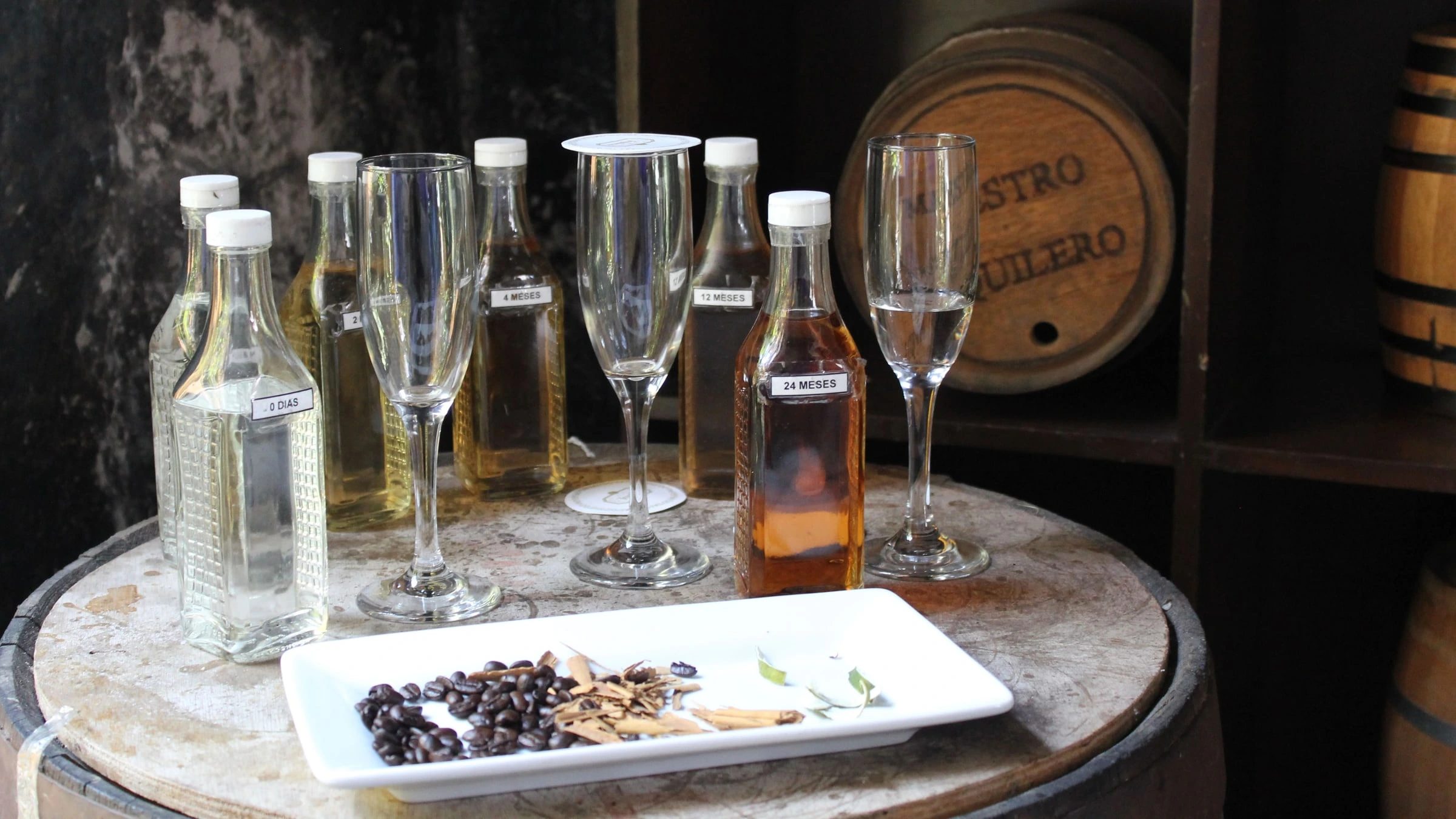
Beverage, Spirits & CPG
Snow Tequila: Rebuilding the Raise Around a Real Model
$1MFounders' Round SAFE, at a 25% discount to Series A
An investor-ready plan, dual-scenario model, and deck matching a standout product with standout documentation
Read the engagement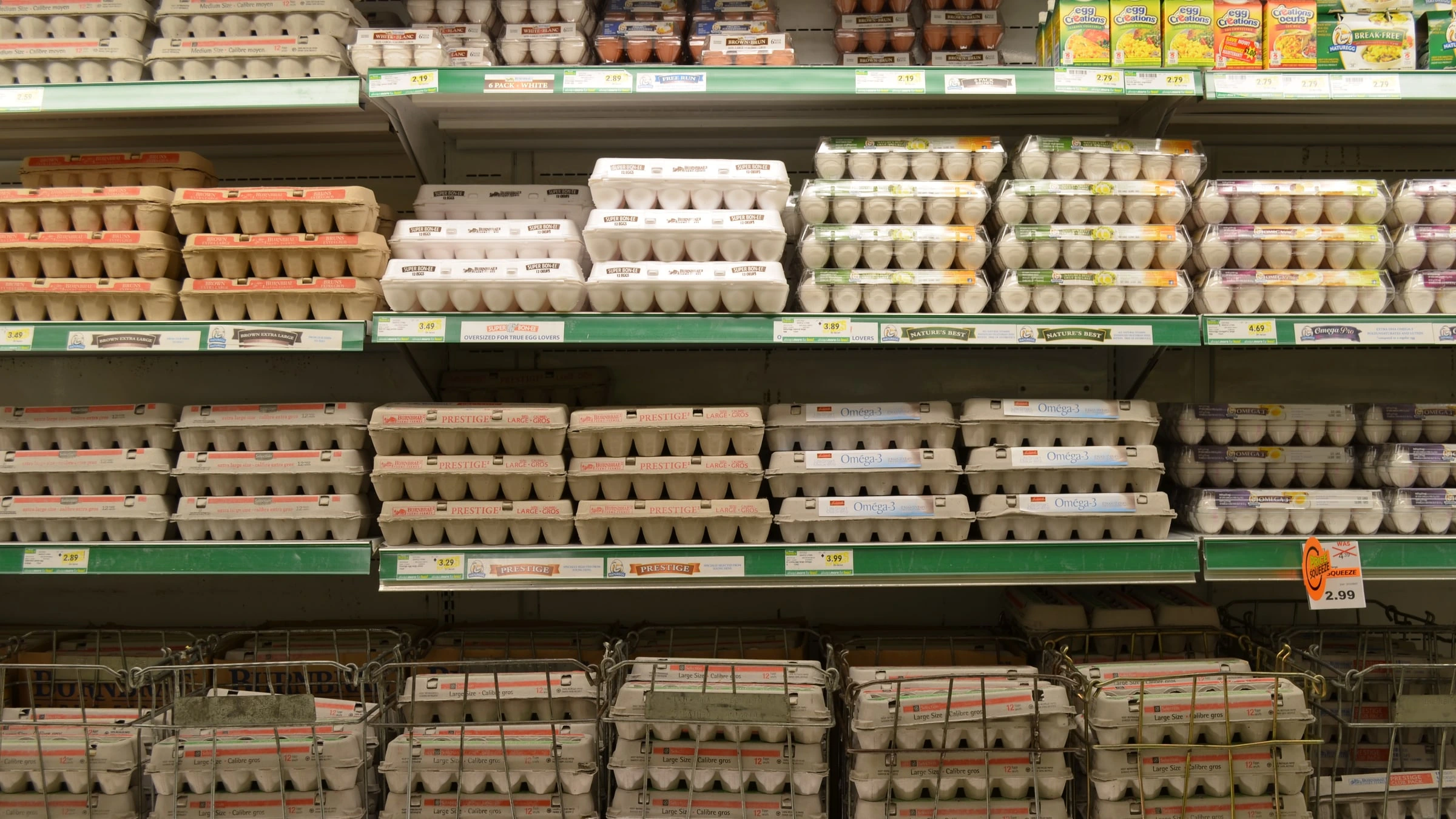
Specialty Retail & Grocery
Desi Pantry: A Grocery Plan Grounded in a Proven Operator
$1.3M → $1.5Mmodeled revenue across the first three years
A lender-ready plan built on a real operator advantage and a defined community
Read the engagement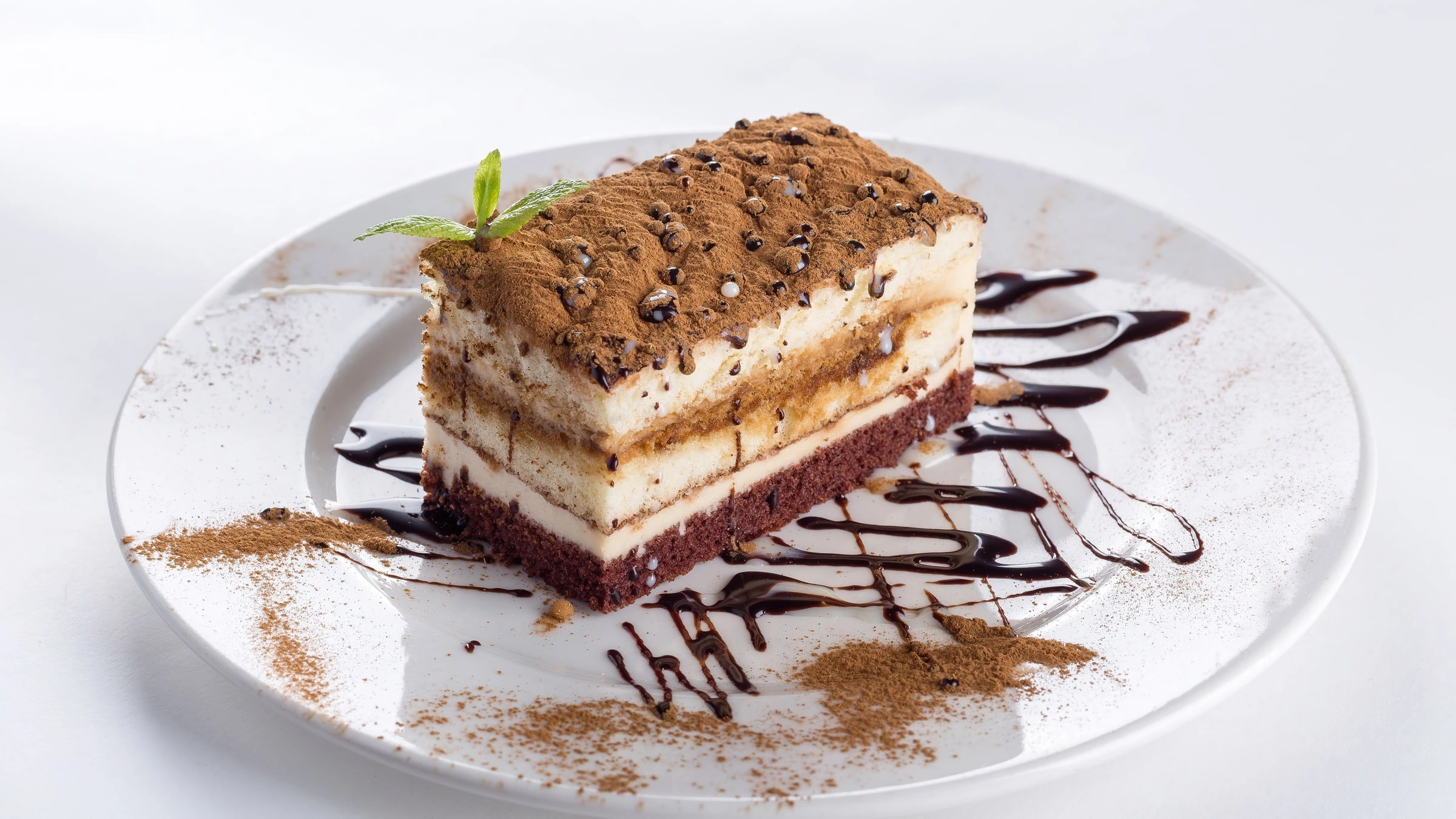
Food & Beverage · Bakery
Sweet Carolina Bakery: Making a One-Page Idea Fundable — Honestly
5-layermarket sizing, derived top-down from $621B global to a $18.6M niche
A fundable plan, a sized market, and an honest financial framework for a pre-launch bakery
Read the engagementThe Full Practice