

Go-to-Market · Agencies & Firms Stop selling hours. Package the outcome and price it like it’s worth it.
You know the work is good. The problem is the offer — custom every time, priced by gut, pitched differently to every prospect. We turn it into a named service with a sharp point of view, a defined buyer, and a price that holds.
The Outcome
What a go-to-market engagement gives you
Not a deck that dies in a drawer — a launch you can actually run, with the positioning, pricing, and plan to back it.
A named offer buyers repeat back to you
Positioning and messaging tight enough that a prospect can explain what you do to their partner without you in the room.
A price you can say out loud without flinching
Packaging and tiers built from the value delivered and what the segment actually pays — not a discount off your day rate.
A pipeline that isn’t all referrals
A channel and motion you can run on purpose, so next quarter doesn’t depend on who happens to email you.
How we work
Here’s how we’d take it to market — and stay to run it
We won’t hand you a strategy deck and disappear. What follows is exactly how we’d position, price, and launch a business like yours — built on your real market and customers, measured against a baseline we set together, and executed with you, not just recommended. Where something can’t be known until the market responds, we build to test it, not to guess.
Who it’s for: For agency, consultancy, and firm owners taking a new service — or a productized version of what you already do — to market. You’re past proving it works; you need positioning, an ideal-customer profile, pricing, and a launch plan so it sells without you improvising every pitch. Not for firms wanting a logo refresh or a bigger ad budget on an offer that isn’t yet sharp.
The Core Workstreams
The four systems that make an offer sellable
A professional-services launch fails in predictable places: the offer means something different to every buyer, the price is set by nerve instead of logic, and lead flow is entirely inbound luck. We build the four pieces that fix that, in the order they need fixing.
Positioning
A point of view, not a service menu
The challenge: Your site lists everything you can do, which reads as “generalist for hire” and invites price comparison against everyone else who lists the same.
What we’d deliver: We pick the buyer, the problem, and the enemy — the status-quo approach you’re replacing — and write positioning and messaging that make you the obvious choice for a specific job, not a cheaper option for a vague one.
ICP
The client worth building for
The challenge: Chasing every warm intro means half your pipeline is a bad fit, and the bad fits are the ones that grind margin and morale.
What we’d deliver: We define the ideal-customer profile by the traits that predict a good engagement — trigger event, buying authority, budget reality, deliverability — and segment the market so outreach and content aim at people who can actually say yes.
Pricing
Packaged, tiered, and defensible
The challenge: Custom-quoting every deal makes you the variable buyers negotiate, drags out the sale, and caps you at your hours.
What we’d deliver: We package the offer into named tiers, anchor the price to the outcome and the segment’s willingness to pay, and give you the logic to hold the number in the room. We frame the tests; the exact price is set and validated in the engagement.
Launch plan
A 90-day sequence, not a someday list
The challenge: Most launches are a website update and a hopeful post, then silence when nothing lands in week two.
What we’d deliver: We choose the channel and sales motion that fit how your buyers actually buy — founder-led, referral engineering, partnerships, or outbound — and sequence a 90-day plan with the assets, milestones, and go/no-go checks to run it.
The Fuller Scope
Other ways this shows up
The core four cover most launches. These come up often enough in professional-services work to be worth naming.
Retiring the custom-scope habit
You want to move from bespoke proposals to a repeatable offer, but you’re nervous about turning away work that doesn’t fit. We build the productized core and a clear rule for when a custom engagement is still worth it.
Splitting one firm into two offers
Sometimes the delivery arm and the advisory arm are really two products with two buyers and two prices. We separate them so each gets positioning that doesn’t confuse the other.
Raising rates without losing the base
A new package is the cleanest moment to reset pricing. We design the tiers and the migration path so existing clients move up rather than out.
Competing against the incumbent’s brand
When you’re smaller than the firm on the shortlist, differentiation has to be specific. We find the wedge — speed, specialization, senior attention — that a bigger competitor structurally can’t match.
Turning expertise into a lead engine
Your point of view is the offer’s best marketing. We shape the positioning into content themes and a sales narrative your team can repeat, so thought leadership actually feeds pipeline.
Handing off the founder’s pitch
The offer only sells when you sell it. We build the sales assets — narrative, deck, objection handling, qualification — so a second person can run the conversation and close.
Launching a referral or partner channel
Referrals happen by accident; a channel happens on purpose. We design the partner offer, the incentive, and the ask so intros arrive pre-qualified instead of random.
Decisions a launch has to get right
Decisions this plan informs
A launch lives or dies on a handful of calls. Here’s what our work is built to get right.
Win rate by segment
Which ideal-customer profile to double down on and which to stop chasing.
Average deal size
Whether the packaging and tiers are anchoring buyers up or leaving money on the table.
Sales-cycle length
Where the pitch loses momentum and which objection to design out of the offer.
Proposal-to-close rate
Whether positioning is pre-selling the deal or making every pitch start from zero.
Referral vs. sourced mix
How much to invest in a repeatable channel before next quarter depends on luck.
Utilization vs. margin
Whether the productized offer is protecting margin or quietly recreating the hours trap.
Early sessions establish your real baseline: current win rate by source, average deal size and how it’s quoted, sales-cycle length, referral dependence, and the two or three objections that most often stall a close. We measure before we prescribe, so the plan targets your actual constraints instead of generic best practice.
The Engagement
Strategy that ships, not strategy that sits
A scoped go-to-market engagement built around your launch — positioning and messaging, pricing and packaging, channel and sales-motion design, and a 90-day plan. Not a generic framework; a plan tied to your product, your buyer, and your numbers.
We stay to run it. Unlike most strategy shops, we don’t stop at the recommendation — we help execute the launch, measure what the market does, and adjust against real signal.
Every launch is different. The scoping call is where we frame the moves that matter.
How It Works
From positioning to a launch you can run
-
Position & message
We define the position you can own and the message that lands — grounded in your real buyer, competitors, and differentiation.
-
Price & package
Pricing and packaging set against what the market bears and what your economics need, with the trade-offs made explicit.
-
Channel & sales motion
The route to market and the sales motion designed to fit how your buyer actually buys — not a generic funnel.
-
90-day launch plan
A sequenced, owner-ready plan with the moves, the milestones, and the baseline numbers we’ll measure against.
-
Execute & adjust
We stay on to help run the launch, watch what the market does, and adjust the plan against real results.
FAQ
Professional Services — go-to-market questions
We already get plenty of referrals. Why formalize a go-to-market plan?
Referrals are a great business until they’re a fragile one. Formalizing positioning and a channel doesn’t replace word of mouth — it means a slow quarter of intros doesn’t become a slow quarter of revenue.
Will productizing make us look less premium?
The opposite, done right. A vague “we do custom work” reads as generalist. A sharp, named offer with a clear point of view is what premium firms actually look like — and it’s easier to charge for.
Do you set our prices?
We build the packaging, the tiers, and the logic, and we frame the tests to run. The final number is set and validated with real buyers during the engagement. We won’t invent a price and call it market research.
How is this different from hiring a marketing agency?
An agency usually assumes the offer is settled and turns up the volume on it. We work upstream of that — making the offer, the buyer, and the price right first, so any marketing spend later isn’t amplifying a weak pitch.
We serve a few different industries. Can one offer work for all of them?
Sometimes, and sometimes the honest answer is you have two offers wearing one name. Part of the work is deciding whether to sharpen one segment or run parallel positioning — we’ll show you the trade-off, not force a template.
What do you need from us to start?
Access to a few recent won and lost deals, your current pricing and proposals, and time with whoever sells today. Your close conversations are the richest data we have — they tell us what already works.
How long until we see it in the pipeline?
Positioning and pricing land in weeks; the 90-day plan is built to put the new offer in front of real buyers inside the first quarter. We sequence for early signal, not a big-bang reveal.
Is this a template you run for every firm?
No. The framework is consistent; the answers are yours. We scope to your buyers, your market, and your constraints — bring it to market, then win the market means winning your market, not a generic one.
Proven Work
Our work in Professional & Financial
Engagements from the same sector as Professional Services — each with the figures it published.

Staffing & Workforce Solutions
MIX Staffing: A Five-Year Plan for a Dallas Staffing Firm
5-yeara 2026–2030 business plan with a matching financial model
A complete five-year plan, model, brand, and deck for a growth-stage staffing firm
Read the engagement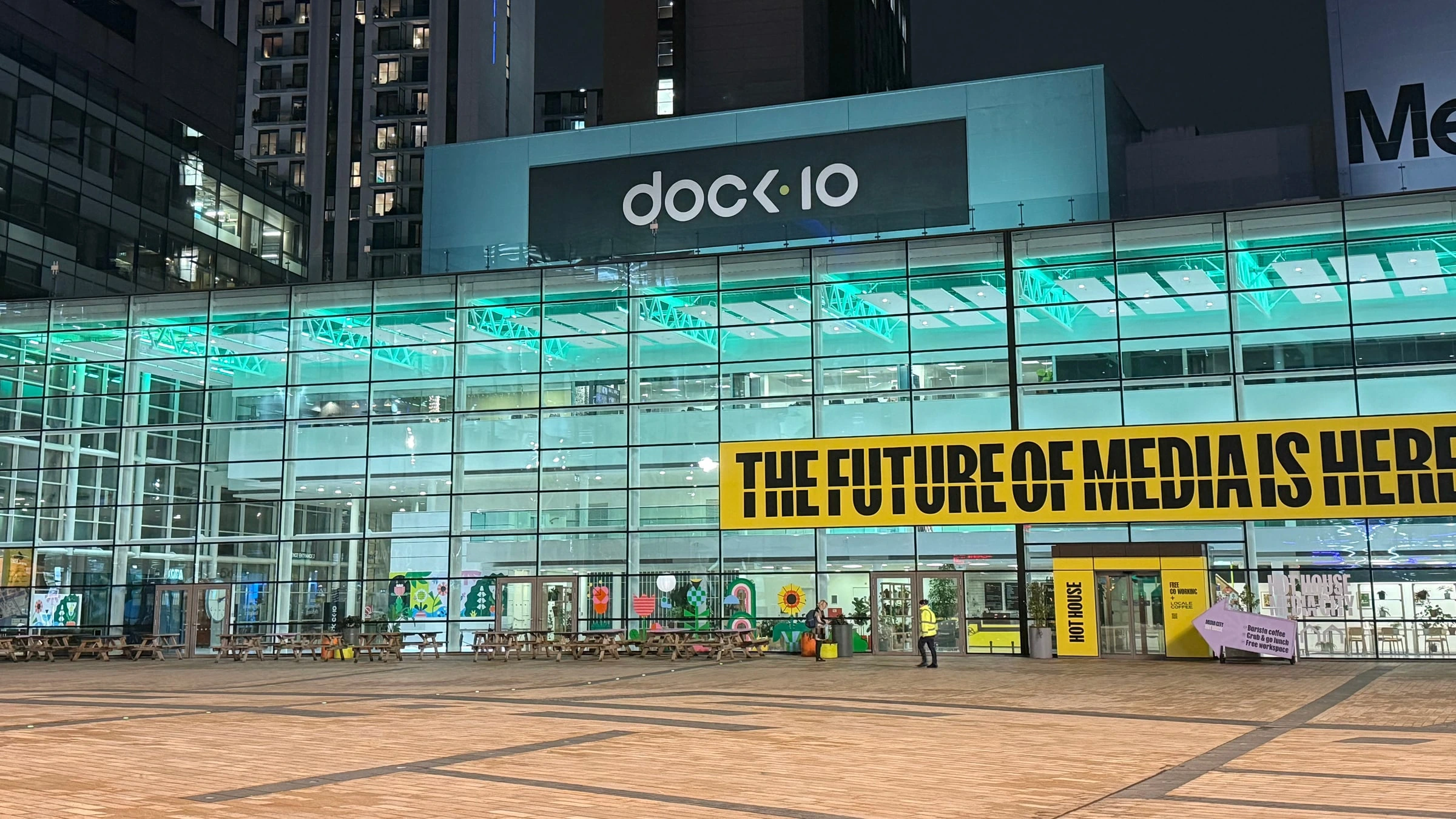
Media & Marketing
Rolington Media: A Growth Plan for a Media Company
Positioneda defined service offering and market read
A financing-ready plan, model, brand, and deck for a media company
Read the engagement
Finance & Investment
Harby Capital: A Funding Proposal for a Capital Venture
Lender-builta plan and proposal written for banks and lenders
A lender-ready business plan and funding proposal
Read the engagementRelated Pages
More for Professional Services, and beyond it
Other services for Professional & Financial
Go-to-Market Strategy for other industries
- Go-to-Market Strategy for Healthcare & Medtech
- Go-to-Market Strategy for Industrial & Manufacturing
- Go-to-Market Strategy for Food & Beverage
- Go-to-Market Strategy for Beauty & Personal Care
- Go-to-Market Strategy for Health & Wellness
- Go-to-Market Strategy for Medical Devices & HealthTech
- Go-to-Market Strategy for SaaS & Technology
- Go-to-Market Strategy for Fintech
- Go-to-Market Strategy for Consumer Products & CPG
- Go-to-Market Strategy for E-commerce & DTC
The Full Practice