

Go-to-Market · CPG Winning the shelf starts long before the shelf.
A great product doesn’t sell itself into Whole Foods, onto Amazon, or through a distributor — a plan does. We build the positioning, price architecture, and channel sequence that gets your product placed, moving, and re-ordered. Every decision is scoped to your margins, your category, and the buyers you actually need to convince.
The Outcome
What a go-to-market engagement gives you
Not a deck that dies in a drawer — a launch you can actually run, with the positioning, pricing, and plan to back it.
A price your margin can survive
A margin stack modeled from cost through distributor, retailer, and shelf — so your MSRP funds trade spend and still leaves a business underneath it.
The right first channel, not all of them
One channel chosen to win first — DTC, a regional retail anchor, Amazon, or Faire — instead of spreading a launch budget thin across five.
A pitch buyers say yes to
A category story, velocity case, and margin math packaged the way a retail buyer or broker evaluates a line — not the way founders like to pitch it.
How we work
Here’s how we’d take it to market — and stay to run it
We won’t hand you a strategy deck and disappear. What follows is exactly how we’d position, price, and launch a business like yours — built on your real market and customers, measured against a baseline we set together, and executed with you, not just recommended. Where something can’t be known until the market responds, we build to test it, not to guess.
Who it’s for: Founders and brand teams taking a physical product into retail, DTC, or distribution for the first time — or extending a proven line into a new category, channel, or region.
The Core Workstreams
The go-to-market questions we answer for consumer brands
Most launches stall not on the product but on the decisions around it — the price, the shelf story, the order of channels. These are the four we work first.
Margin stack
Pricing that survives the channel
The challenge: You set an MSRP that felt right on your own site, then discover a distributor and a retailer each need their cut and the math no longer works.
What we’d deliver: We model the full margin stack — COGS, freight, distributor and retailer margins, trade and promo — backward from a realistic shelf price, then set the MSRP and wholesale terms the business can actually carry.
Shelf story
Positioning a buyer can sell up
The challenge: Your brand story resonates with friends and early customers but means nothing to a category buyer deciding what to delist to make room for you.
What we’d deliver: We translate your positioning into the language buyers use — category, subsegment, the incumbent you displace, and why your velocity beats the SKU you replace — with front-of-pack messaging to match.
Channel order
The channel to win first
The challenge: Launching on your site, on Amazon, on Faire, and into regional grocery all at once splits a small budget and gives none of them enough push to work.
What we’d deliver: We pick the beachhead channel that fits your margin, cash cycle, and proof needs, sequence the rest behind it, and define the velocity or sell-through you need before opening the next door.
Launch plan
A 90-day plan that ends in reorders
The challenge: A launch date comes and goes with a burst of posts, a few sales, and no plan for the eight weeks that decide whether anyone reorders.
What we’d deliver: We build a sequenced 90-day plan — pre-launch seeding, launch, and the sell-through push — tied to the demos, samples, reviews, and retail support that actually drive repeat purchase.
The Fuller Scope
The fuller scope
Positioning and pricing are where we start. Depending on where your brand and category sit, an engagement can also cover any of the below.
Ideal-customer profile & the shopper behind it
We separate the retail buyer you sell to from the shopper who lifts you off the shelf, and define both — so the pitch and the packaging are aimed at the right person.
Retail vs DTC economics
We compare what a unit actually earns through your own site versus wholesale, factoring fulfillment, returns, ad spend, and trade, so you scale the channel that funds the business, not just the one that flatters revenue.
Distributor & broker readiness
We prepare the margins, terms, and story a UNFI, a KeHE, or a regional distributor and their brokers expect, so the conversation starts from a place they can say yes to.
Amazon & marketplace strategy
We decide whether Amazon is a launch channel, a proof point, or a threat to your retail pricing, and set the listing, review, and pricing approach to match.
Trade & promotion planning
We plan the introductory deals, demos, and promotions that earn placement and drive trial without training shoppers to only buy you on discount.
Packaging & pack architecture
We pressure-test pack sizes, multipacks, and price points against the channel — a club pack, a grocery single, and a DTC bundle are three different products.
Line extension & category expansion
For an established brand, we test whether a new flavor, format, or category earns its shelf space or cannibalizes the SKU already working.
Decisions a launch has to get right
Decisions this plan informs
A launch lives or dies on a handful of calls. Here’s what our work is built to get right.
What should the MSRP actually be?
The margin stack sets a price that funds every hand in the channel and still leaves contribution — not a number reverse-engineered from a competitor’s tag.
DTC first, or retail first?
Channel selection weighs your cash cycle, margin, and proof needs to name the beachhead instead of launching everywhere at once.
Which retailer do we pitch first?
The ICP and channel work rank accounts by fit and winnability, so you pitch where a yes is likeliest and most useful as proof.
How much trade spend can we afford?
The margin model shows exactly how much promo and slotting the price can carry before the SKU stops making money.
Do we add the new SKU or not?
The line-extension analysis tests incremental demand against cannibalization before you commit inventory and shelf.
What has to be true before we scale?
The 90-day plan sets the velocity, sell-through, and reorder thresholds that signal a channel is ready for more push.
We don’t bring you a competitor’s velocity numbers or a market-size slide we can’t stand behind. We start from your real costs, your category, and what buyers in your region actually stock, and we build the margin math and the pitch on that. Where a number has to be assumed — a promo lift, a first-year velocity, a return rate — we mark it as an assumption, show the range, and set the test that replaces it with your own data once the product is live.
The Engagement
Strategy that ships, not strategy that sits
A scoped go-to-market engagement built around your launch — positioning and messaging, pricing and packaging, channel and sales-motion design, and a 90-day plan. Not a generic framework; a plan tied to your product, your buyer, and your numbers.
We stay to run it. Unlike most strategy shops, we don’t stop at the recommendation — we help execute the launch, measure what the market does, and adjust against real signal.
Every launch is different. The scoping call is where we frame the moves that matter.
How It Works
From positioning to a launch you can run
-
Position & message
We define the position you can own and the message that lands — grounded in your real buyer, competitors, and differentiation.
-
Price & package
Pricing and packaging set against what the market bears and what your economics need, with the trade-offs made explicit.
-
Channel & sales motion
The route to market and the sales motion designed to fit how your buyer actually buys — not a generic funnel.
-
90-day launch plan
A sequenced, owner-ready plan with the moves, the milestones, and the baseline numbers we’ll measure against.
-
Execute & adjust
We stay on to help run the launch, watch what the market does, and adjust the plan against real results.
FAQ
Consumer Products & CPG — go-to-market questions
We already sell on our own site. Why do we need a go-to-market plan for retail?
Because retail runs on different math and a different buyer. The price that works DTC often can’t absorb distributor and retailer margins, and the story that converts on your site isn’t the one a category buyer needs to hear. We rebuild both for the channel you’re entering.
Should we launch in retail, DTC, or on Amazon first?
That’s exactly the question the engagement answers. It depends on your margin, cash cycle, and what proof you need next. We name the single beachhead channel and sequence the rest behind it rather than splitting your launch across all three.
How do you set our price?
We build the margin stack from the bottom up — COGS, freight, distributor and retailer margins, trade spend — and work backward from a realistic shelf price. The MSRP falls out of what the channel can carry, not out of a gut feel or a competitor’s tag.
Do you help us get into specific stores or land a distributor?
We build the strategy, positioning, margins, and pitch that make those conversations winnable, and we prepare you for them. We aren’t a brokerage and don’t sell placement, but we make sure you walk in with the case a buyer or distributor actually evaluates.
Our margins are tight. Can we even afford retail?
That’s one of the first things the margin model tells you — honestly. For some products the answer is that DTC or a lighter channel funds growth better than retail does, and it’s better to know that before you sign a distributor than after.
We’re extending an existing line into a new flavor or format. Is that in scope?
Yes. Line extensions get their own analysis: whether the new SKU pulls incremental demand or cannibalizes the one already working, how it prices against your existing range, and whether it earns the shelf space it asks for.
How long does an engagement take?
A focused positioning-and-pricing engagement typically runs a few weeks; a full plan through the 90-day launch sequence runs longer. We scope it to your launch timeline in the first conversation and never stretch it to fill a template.
Do you use one framework for every brand?
No. The margin stack, the channel logic, and the buyer language are rebuilt around your category every time. A shelf-stable snack, a supplement, and a home-goods line share none of the same buyers, margins, or velocity math.
Proven Work
Our work in Retail & Consumer
Engagements from the same sector as Consumer Products & CPG — each with the figures it published.
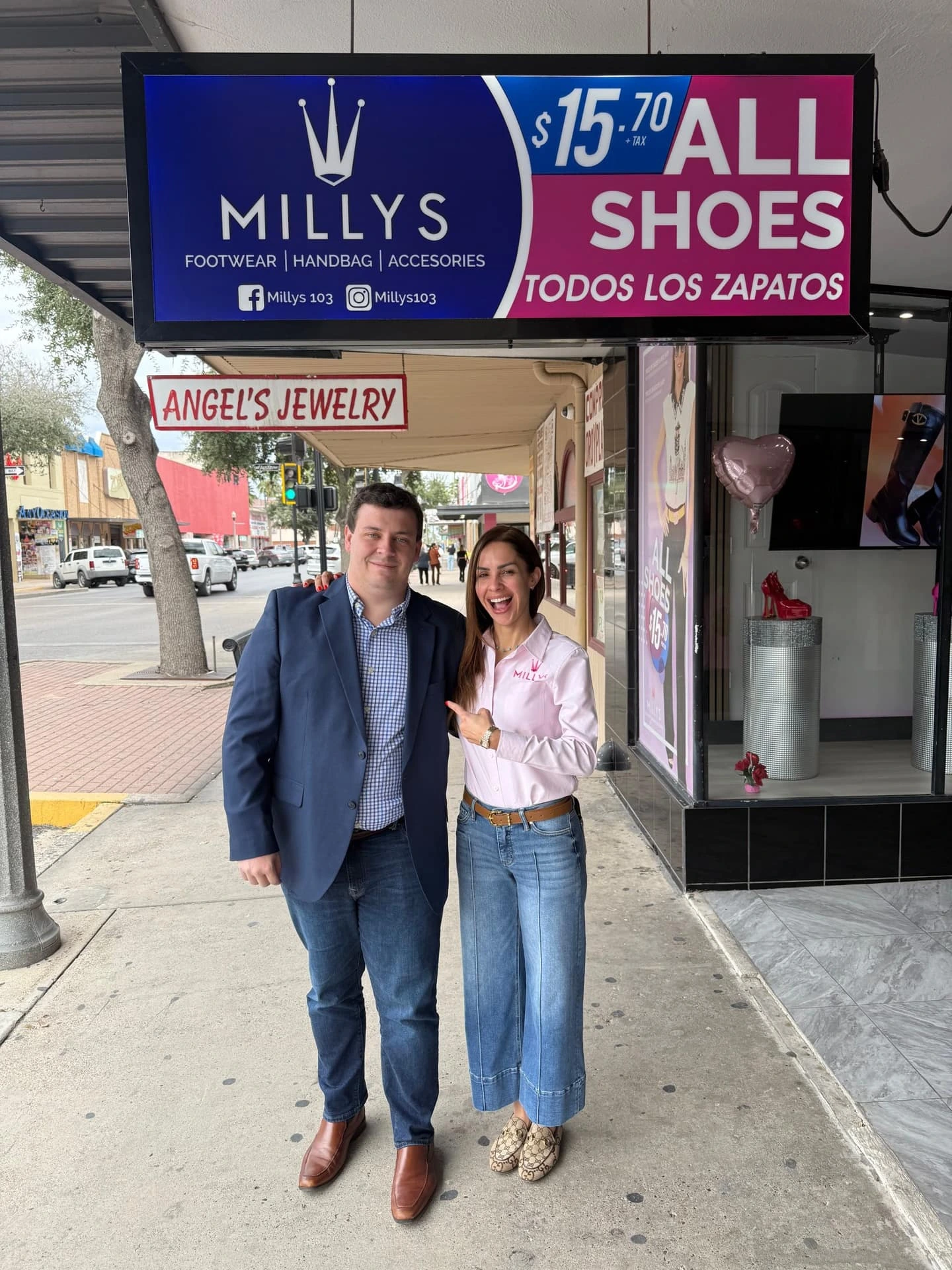
Retail & Franchising
Milly's: Turning a Beloved Women's Footwear Store into a Franchise System
3 streamsthe franchise revenue model — wholesale margin, franchise fee & royalty
Operational playbook, unit economics, and a phased franchise expansion strategy
Read the engagement
Consumer Products · Premium Children's Furniture
Taking a Consumer Brand Upmarket: The Sunday Arvo House
60–110%above the visible market ceiling — the upmarket gap the strategy had to justify
A validated decision to go upmarket — the position, the economics, the sizing, and a 90-day launch plan
Read the engagement
Fashion & Retail
Wyld Blue: Restructuring the Finances Behind a Fashion Brand
5workstreams run in parallel — diagnosis through revenue expansion
Marked increase in profitability and operational agility
Read the engagementRelated Pages
More for Consumer Products & CPG, and beyond it
Other services for Retail & Consumer
Go-to-Market Strategy for other industries
- Go-to-Market Strategy for E-commerce & DTC
- Go-to-Market Strategy for Professional Services
- Go-to-Market Strategy for Healthcare & Medtech
- Go-to-Market Strategy for Industrial & Manufacturing
- Go-to-Market Strategy for Food & Beverage
- Go-to-Market Strategy for Beauty & Personal Care
- Go-to-Market Strategy for Health & Wellness
- Go-to-Market Strategy for Medical Devices & HealthTech
- Go-to-Market Strategy for SaaS & Technology
- Go-to-Market Strategy for Fintech
The Full Practice