

Market Research · CPG Know the category before you fund the launch.
We size CPG categories from the bottom up, map the competitive shelf, and pressure-test whether a brand or line extension has real room to win. Every number is derived and defensible, not pulled from a slide deck.
The Outcome
What market research actually gives you
Not a slide deck of generic stats — a defensible read of your market and a decision you can act on.
A defensible category size
TAM/SAM/SOM built bottom-up from households, buy rates & price points, not a top-down guess divided by a hopeful share.
A clear read on whitespace
Where the shelf and DTC assortment leave unmet demand, and whether your concept actually fills it.
A go/no-go you can defend
A ranked recommendation with the assumptions, ranges, and triggers that would change the answer.
How we work
Here’s how we’d research it — sourced, not borrowed
We won’t hand you a report full of borrowed numbers. What follows is exactly how we’d research your market and what you’d get — every figure sourced, triangulated, and built bottom-up rather than pulled from a headline. Where the data is thin, we say so and present ranges with the derivation shown, so the work stands up to a board, a lender, or an investor.
Who it’s for: Founders, brand and category leaders, and CPG investors deciding whether to launch a brand, extend a line, enter retail or DTC, or fund a category bet.
The Core Questions
The questions we answer for consumer products
Four research workstreams, each built to answer a decision you're actually facing, with methodology you can hand to a board or a retailer buyer.
Sizing
How big is this category, really?
The question: You need a category size you can stake a launch and a P&L on, but the numbers you can find are top-down, dated, or defined around someone else's product.
What we’d deliver: We build TAM/SAM/SOM bottom-up: target households or buyers, penetration, purchase frequency, and realistic price points, triangulated against retail scan data, syndicated panels where available, and category benchmarks. You get the model, the sources, and the sensitivity ranges, not a single headline number.
Competition
Who owns the shelf, and where are the gaps?
The question: You don't know how crowded the set really is, who's winning, or whether there's room for another brand at your price point.
What we’d deliver: We map the competitive set across retail and DTC: brands, SKUs, price ladders, claims, distribution footprint, and momentum. We assemble it from store audits, retailer and DTC site scans, review mining, and public financials, then plot the whitespace where demand and assortment don't line up.
Entry
Retail, DTC, or both, and can we get on shelf?
The question: You're choosing a route to market and need to know which channel the category actually sells through and what it takes to earn distribution.
What we’d deliver: We run a channel feasibility read: where the category's volume lives, buyer expectations and slotting realities, DTC CAC and repeat dynamics, and the economics of each path. Built from retailer and broker interviews, DTC benchmark data, and unit-economics modeling.
Demand
Who buys this, and will they buy ours?
The question: You have a concept and a hunch about the buyer, but not a segmented, sized view of demand or evidence it converts.
What we’d deliver: We segment the market by need, occasion, and buyer, size each segment, and validate demand through primary research: concept tests, buyer interviews, and where useful, quantitative surveys. You see which segments are worth chasing and how firm the demand signal is.
The Fuller Scope
The fuller scope
Beyond the four core workstreams, here's the range of CPG questions we take on, always methodology-first and sourced.
Line-extension sizing
Whether a new flavor, format, or SKU expands the franchise or just cannibalizes the base, with incrementality modeled, not assumed.
Price-point & pack architecture
Where your price ladder sits versus the set, and what the shelf will bear at premium, mainstream, or value tiers.
Private-label threat read
How exposed the category is to private label and where a branded product can still command a premium.
Retailer & channel prioritization
Which banners and channels index highest for your category and buyer, so distribution effort goes where it converts.
Claims & attribute demand
Which product claims and attributes are gaining share versus fading, triangulated from scan trends, search, and review language.
Adjacency & expansion mapping
The nearest categories a brand could credibly extend into, sized and ranked by fit and headroom.
Go/no-go decision packet
A board-ready recommendation that pulls the sizing, competition, entry, and demand work into one defensible call.
Decisions This Research Informs
Decisions this research informs
Research is only worth it if it changes a decision. Here’s what ours is built to inform.
Is the category big enough to matter?
Bottom-up TAM/SAM/SOM with the buy-rate and price assumptions exposed, so you know the floor and the ceiling.
Where's the whitespace on shelf?
Competitive and assortment mapping that plots demand against what's actually stocked, at your price tier.
Which channel should we enter first?
Channel feasibility comparing where volume lives, entry cost, and unit economics for retail versus DTC.
Will the target buyer actually convert?
Demand segmentation plus primary concept and buyer testing to separate real pull from wishful thinking.
Can this line extension grow the base?
Incrementality modeling that nets out cannibalization before you commit SKUs and shelf.
Should we launch, wait, or walk?
A go/no-go recommendation with the triggers and assumptions that would flip the decision.
Every figure we present is sourced and reproducible: category sizes are built bottom-up from buyer counts, penetration, and price points, then triangulated against scan or panel data. We show the derivation and present ranges, not false-precision point estimates. Where a number can't be defended, we flag it as an assumption rather than dressing it up as fact.
The Engagement
Rigorous, sourced, and decision-ready
A scoped research engagement built to answer specific questions — not a generic market overview. We frame the questions, run the desk and primary research, size the opportunity bottom-up, and deliver a synthesis you can put in front of a board or an investor.
Every number is defensible. We show the sources, the method, and the range — so the read holds up to scrutiny instead of collapsing on the first hard question.
Every market is different. The scope is where we frame the questions worth answering.
How It Works
From question to decision-ready answer
-
Scope & questions
We define the decision at stake and the specific questions the research must answer — so nothing gets sized or studied that doesn’t move the call.
-
Desk & primary research
Triangulated secondary sources plus primary inputs where they matter — competitor teardowns, customer signals, channel and pricing reads.
-
Bottom-up sizing & analysis
A TAM/SAM/SOM built from documented inputs, a competitive map, and the whitespace — with every figure traceable to a source.
-
Synthesis & recommendation
The findings resolved into a clear position and a go/no-go, written to stand up to a board, a lender, or an investor.
-
Decision support
We stay on to pressure-test the call, brief stakeholders, and feed the research into the launch, raise, or entry plan it informs.
FAQ
Consumer Products & CPG — market-research questions
How do you size a market?
Bottom-up. We start from the number of target buyers or households, layer in penetration, purchase frequency, and realistic price points, then triangulate against retail scan data, syndicated panels, and category benchmarks. We show the model and the assumptions so you can stress-test every input, and we present a range rather than a single hopeful number.
What's the difference between primary and desk research, and which do you use?
Desk research is synthesizing what already exists: scan data, public financials, retailer sites, syndicated reports, reviews. Primary research is generating new evidence directly: buyer interviews, concept tests, retailer and broker conversations, surveys. We use both, and we lean on primary work wherever the decision hinges on demand or a number that public sources can't settle.
How long does a study take?
A focused sizing or competitive read typically runs two to three weeks. A full market-entry or feasibility study with primary demand testing usually runs four to six. We scope to your decision date and tell you upfront what's achievable in the window.
What does it cost?
It depends on scope, how much primary research the decision requires, and how thin the available data is. We quote a fixed price against a defined deliverable after a short scoping conversation, so there are no open-ended hourly surprises.
Do you validate demand, or just size the market?
Both, when the decision needs it. Sizing tells you how big the prize could be; demand validation tells you whether buyers will actually convert. For launch and entry decisions we pair the two, using concept tests and buyer interviews to pressure-test the sizing.
What if the data is thin or the category is new?
That's common in emerging CPG categories, and it's where bottom-up modeling and primary research earn their keep. We build the size from first principles, triangulate across proxy categories and analogs, and generate our own demand signal through primary work rather than pretending a syndicated number exists.
What format do the deliverables come in?
A written report and decision memo, a sizing model you keep, and a source appendix documenting every figure. We walk you and your team through it live, and the work is built to be handed to a board, a buyer, or an investor without translation.
Is the work defensible for investors?
Yes, that's the standard we build to. Every number is sourced and reproducible, sizing is bottom-up with the assumptions exposed, and we present ranges with the logic behind them. When an investor asks where a figure came from, the answer is in the appendix.
Proven Work
Our work in Retail & Consumer
Engagements from the same sector as Consumer Products & CPG — each with the figures it published.
Retail & Franchising
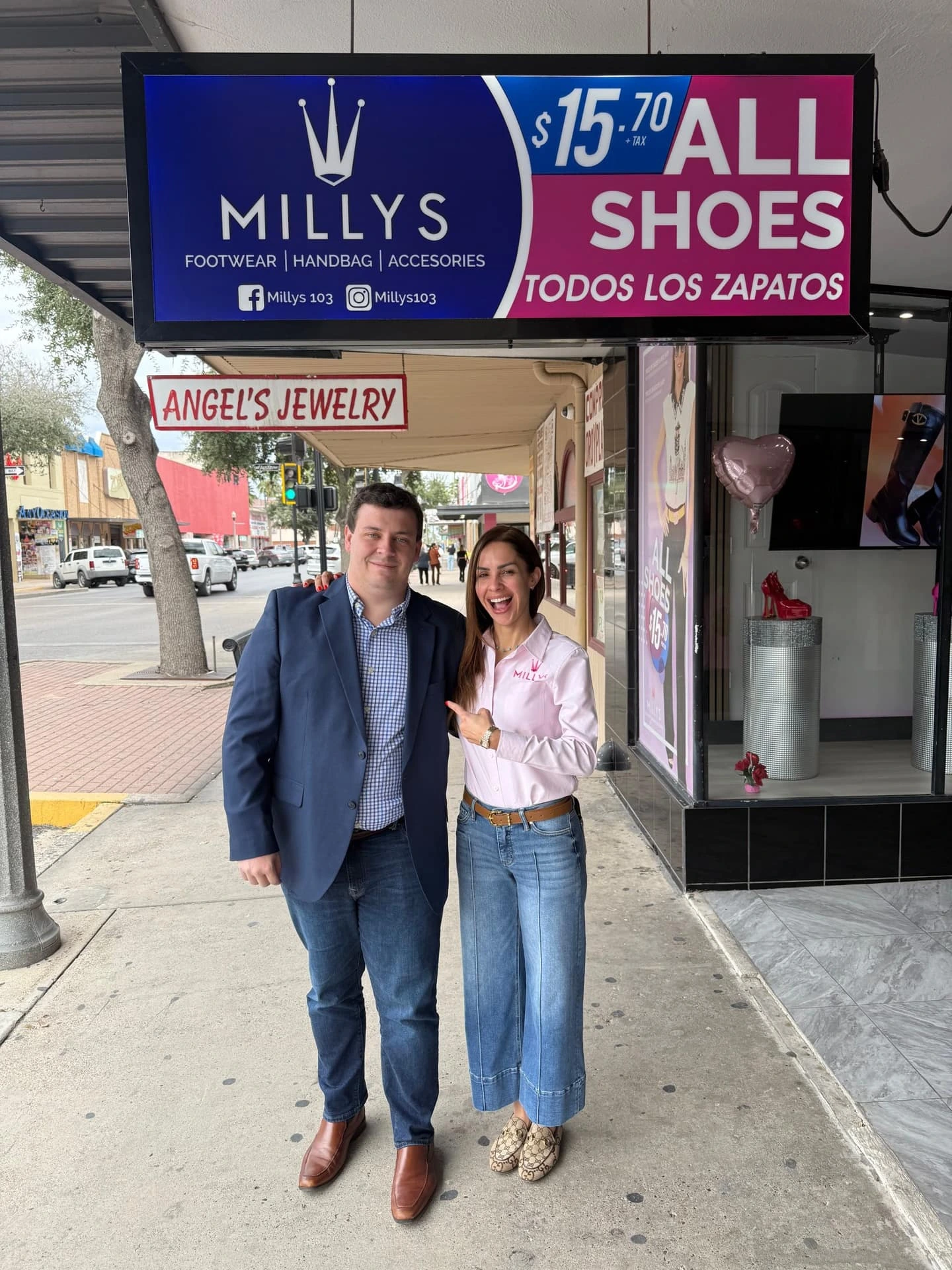
Milly's: Turning a Beloved Women's Footwear Store into a Franchise System
3 streamsthe franchise revenue model — wholesale margin, franchise fee & royalty
Operational playbook, unit economics, and a phased franchise expansion strategy
Read the engagement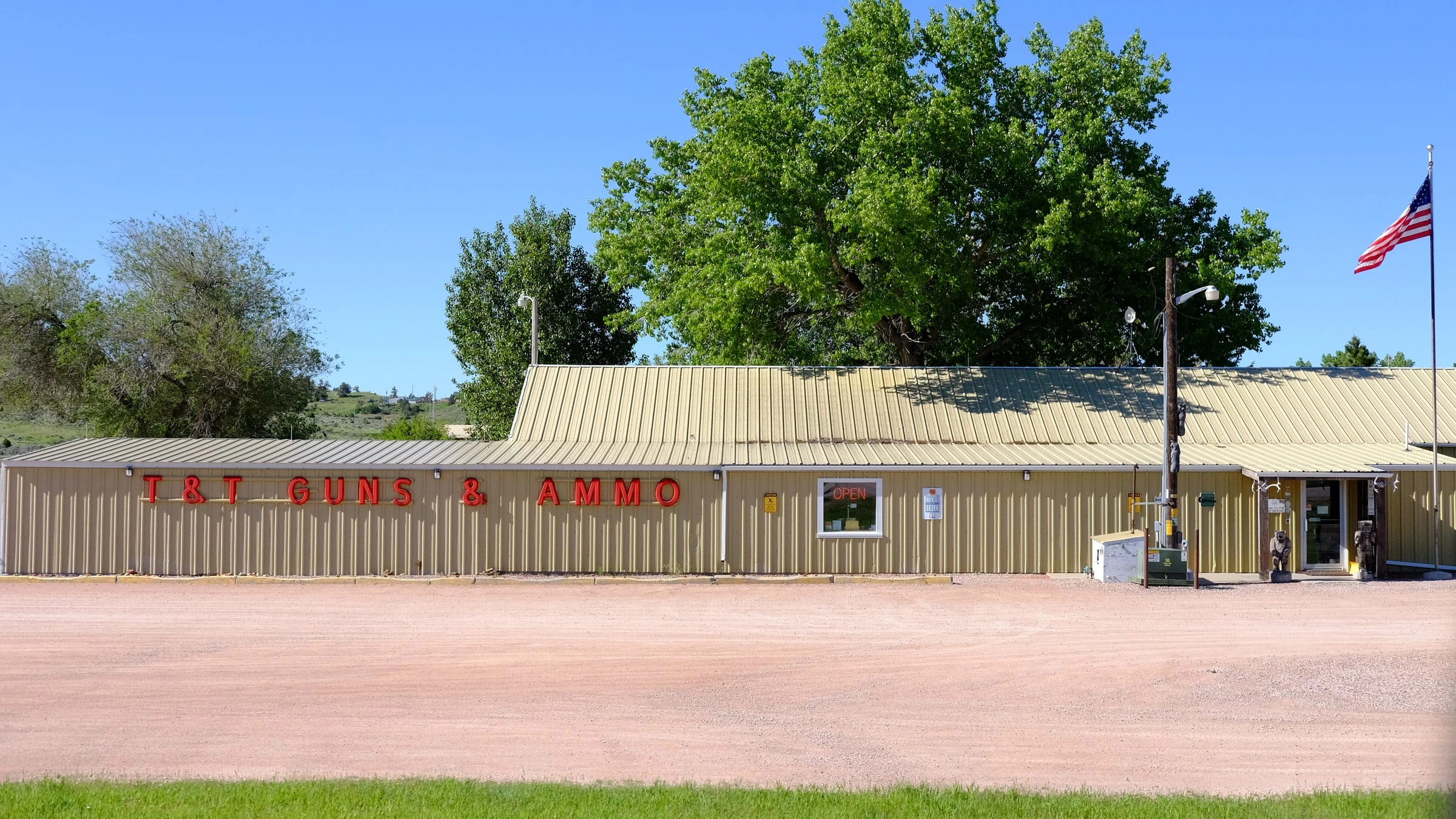
Retail & E-Commerce
Liberty Firearms: A Capital Package for a Firearms Retailer
Full packageplan, financial model, brand, and pitch deck
A financing-ready package for a regulated retail business
Read the engagement
Consumer Products · Premium Children's Furniture
Taking a Consumer Brand Upmarket: The Sunday Arvo House
60–110%above the visible market ceiling — the upmarket gap the strategy had to justify
A validated decision to go upmarket — the position, the economics, the sizing, and a 90-day launch plan
Read the engagementRelated Pages
More for Consumer Products & CPG, and beyond it
Other services for Retail & Consumer
Market Research for other industries
The Full Practice