

Market Research · Spirits Size the premium bet before you fund the brand.
We size spirits categories from the bottom up, map the three-tier distribution reality, and sharpen positioning against the set, with acquisition-comps context to frame the exit. Every number is triangulated and built to defend.
The Outcome
What market research actually gives you
Not a slide deck of generic stats — a defensible read of your market and a decision you can act on.
A sourced premium-segment size
Category and premium-tier sizing built bottom-up by drinker, occasion, and price band, triangulated against shipment and depletion data.
A clear distribution read
What the three-tier system actually demands to get a brand placed, moving, and reordered.
Positioning with proof
Where the whitespace sits in the category and how the set is valued, framed with acquisition-comps context.
How we work
Here’s how we’d research it — sourced, not borrowed
We won’t hand you a report full of borrowed numbers. What follows is exactly how we’d research your market and what you’d get — every figure sourced, triangulated, and built bottom-up rather than pulled from a headline. Where the data is thin, we say so and present ranges with the derivation shown, so the work stands up to a board, a lender, or an investor.
Who it’s for: Spirits founders, brand owners, and investors deciding whether to launch or extend a brand, enter a category or market, or frame a positioning and eventual exit.
The Core Questions
The questions we answer for spirits brands
Four research workstreams built around the decisions spirits operators face, with methodology rigorous enough for a board and an acquirer's diligence team.
Sizing
How big is the premium segment?
The question: You need a premium-tier size you can raise and build against, but published spirits numbers blur tiers and lag the fast-moving premium and super-premium bands.
What we’d deliver: We size the category and each price band bottom-up: target drinkers, occasions, frequency, and price points, triangulated against shipment, depletion, and control-state data plus public producer financials. You get a tiered model with the derivation, drawn around your actual segment.
Distribution
Can we actually get distributed?
The question: The three-tier system is the real gatekeeper, and a great liquid means nothing if a distributor won't carry it or a brand can't get pulled through.
What we’d deliver: We run a distribution feasibility read: how the three-tier system works in your target states, what distributors expect, the economics of placement and depletion, and the realistic path to shelf and back-bar. Built from distributor and broker interviews, control-state data, and channel benchmarks.
Positioning
Where does this brand credibly sit?
The question: The category is crowded with brand stories, and you need to know where the real whitespace is and whether your positioning can defend a premium.
What we’d deliver: We map the competitive set: brands, price ladders, positioning claims, and momentum across on- and off-premise. We plot where the market actually places competitors versus where they claim to sit, and identify the whitespace your brand could own. Assembled from retail and menu audits, review mining, and public data.
Exit
How is a brand like this valued?
The question: You're building toward an eventual sale and need context on how spirits brands in your category get acquired and what drives the multiple.
What we’d deliver: We assemble acquisition-comps context: how comparable spirits brands have been positioned and valued at exit, the scale and momentum signals acquirers reward, and where your brand would need to be. Built from public deal disclosures and category benchmarks, framed as context, not a valuation.
The Fuller Scope
The fuller scope
Beyond the four core workstreams, the broader set of spirits questions we take on, always sourced and methodology-first.
Price-band & tier mapping
Where value, premium, super-premium, and ultra sit in your category, and which bands are crowded versus open.
On- vs off-premise demand read
How your category's volume splits across bars, restaurants, and retail, and what each demands.
Control-state vs open-state entry
How distribution and demand differ across control and open states, and where to enter first.
Category momentum & trend read
Which spirits categories and flavor or claim trends are gaining durable share versus cresting.
Emerging-market & export sizing
Bottom-up demand for a target export market where syndicated data is thin.
Competitive valuation context
How comparable brands have been valued and what scale and momentum acquirers reward.
Go/no-go decision packet
Sizing, distribution, positioning, and exit context pulled into one board-ready call.
Decisions This Research Informs
Decisions this research informs
Research is only worth it if it changes a decision. Here’s what ours is built to inform.
How big is the premium segment?
Tiered bottom-up sizing by price band, triangulated against shipment, depletion, and control-state data.
Can we get distributed and pulled through?
Three-tier distribution feasibility covering distributor expectations, placement economics, and depletion reality.
Where's the positioning whitespace?
Competitive mapping that plots where the market places brands versus where they claim to sit.
Which states or markets first?
A control- versus open-state entry read comparing demand and distribution paths.
How would an acquirer value this?
Acquisition-comps context on how comparable brands were positioned and valued at exit.
Should we launch, extend, or hold?
A go/no-go recommendation with the assumptions and triggers that would change it.
We size the premium bands bottom-up from drinkers, occasions, and price points, then triangulate against shipment, depletion, and control-state data rather than quoting a blended headline number. Acquisition-comps are presented as context from public disclosures, never as a valuation of your brand. We show ranges and the derivation, and we flag estimates as estimates.
The Engagement
Rigorous, sourced, and decision-ready
A scoped research engagement built to answer specific questions — not a generic market overview. We frame the questions, run the desk and primary research, size the opportunity bottom-up, and deliver a synthesis you can put in front of a board or an investor.
Every number is defensible. We show the sources, the method, and the range — so the read holds up to scrutiny instead of collapsing on the first hard question.
Every market is different. The scope is where we frame the questions worth answering.
How It Works
From question to decision-ready answer
-
Scope & questions
We define the decision at stake and the specific questions the research must answer — so nothing gets sized or studied that doesn’t move the call.
-
Desk & primary research
Triangulated secondary sources plus primary inputs where they matter — competitor teardowns, customer signals, channel and pricing reads.
-
Bottom-up sizing & analysis
A TAM/SAM/SOM built from documented inputs, a competitive map, and the whitespace — with every figure traceable to a source.
-
Synthesis & recommendation
The findings resolved into a clear position and a go/no-go, written to stand up to a board, a lender, or an investor.
-
Decision support
We stay on to pressure-test the call, brief stakeholders, and feed the research into the launch, raise, or entry plan it informs.
FAQ
Spirits & Alcohol Brands — market-research questions
How do you size a market?
Bottom-up and by price band. We start from target drinkers and occasions, layer in frequency and price points that differ sharply across value, premium, and super-premium, then triangulate against shipment, depletion, and control-state data plus public producer financials. The tiered model is yours to inspect, and we present ranges, not false precision.
What's the difference between primary and desk research, and which do you use?
Desk research synthesizes existing data: shipment and depletion figures, control-state data, public financials, menu and retail audits. Primary research generates new evidence: distributor, broker, and operator interviews. In spirits we lean on primary distribution interviews heavily, because the three-tier reality is something only the people inside it can tell you accurately.
How long does a study take?
A focused sizing or positioning read runs two to three weeks. A full distribution feasibility or market-entry study with primary interviews runs four to six. We scope to your decision date and are candid about what fits the window.
What does it cost?
It scales with scope, the depth of primary distribution research, and data availability in your category and states. We quote a fixed price against a defined deliverable after scoping, so there are no open-ended hours.
Do you validate demand, or just size the market?
Both when the decision needs it. Sizing tells you the prize; demand and distribution validation tell you whether the brand can actually get placed and pulled through. In spirits, distribution feasibility is often the binding constraint, so we test it directly.
What if the data is thin or the market is emerging?
Common in emerging spirits categories and export markets where syndicated data lags. We build demand from first principles, triangulate across proxy categories and analog markets, and generate our own signal through primary distributor and operator interviews rather than leaning on a missing number.
What format do the deliverables come in?
A written report and decision memo, a tiered sizing model you keep, and a source appendix documenting every figure. We present it live to your team, and it's built to hand to a board or an acquirer's diligence team without rework.
Is the work defensible for investors?
Yes. Sizing is bottom-up and tiered with assumptions exposed, distribution feasibility rests on primary interviews, and acquisition-comps context is drawn from public disclosures and clearly framed as context. Every figure is sourced in the appendix, so diligence can trace where each number came from.
Proven Work
Our work in Food & Beverage
Engagements from the same sector as Spirits & Alcohol Brands — each with the figures it published.
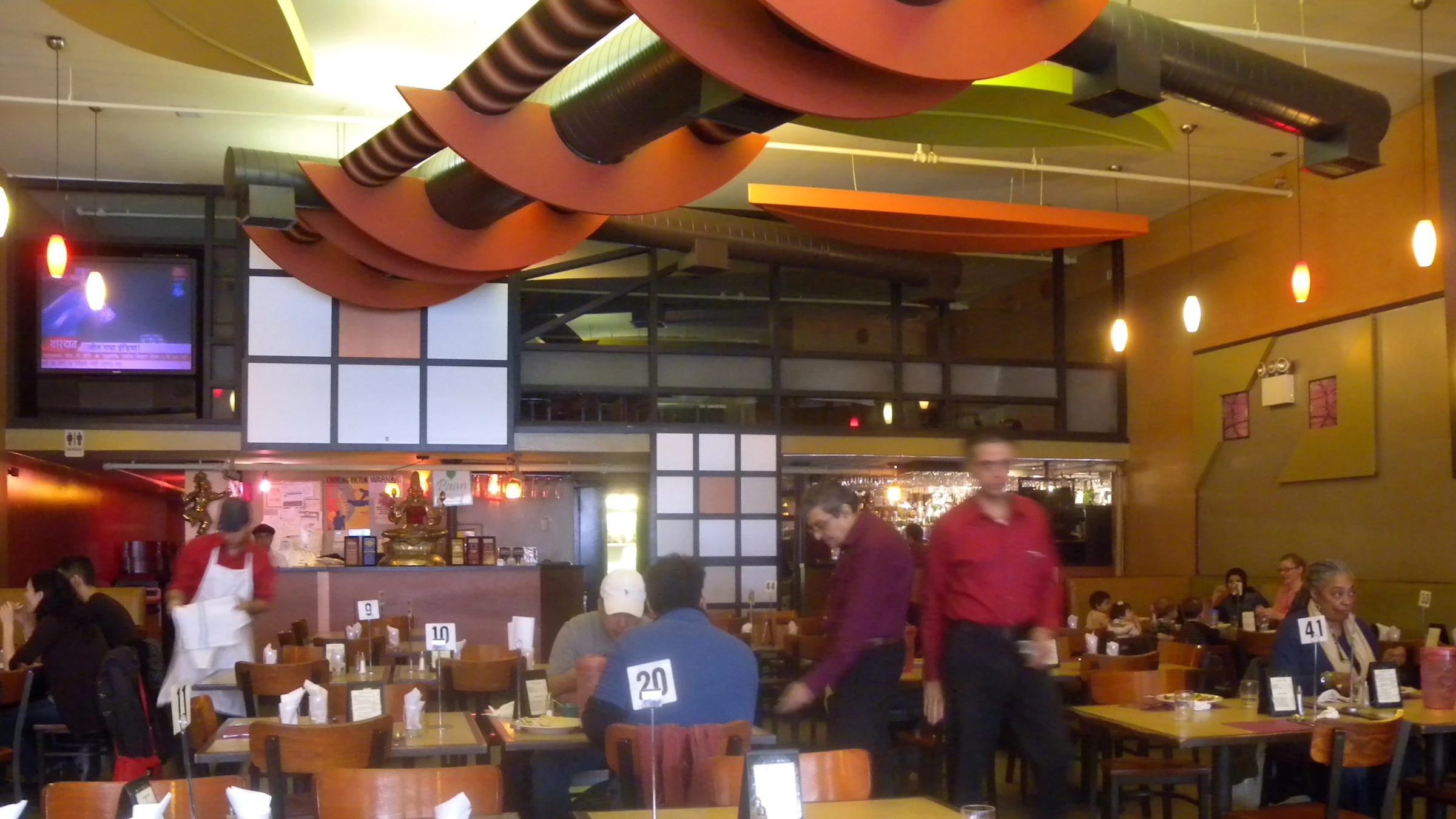
Food & Beverage · Restaurant
Sundara Indian Restaurant: From Caterer to Full-Service, With the Numbers to Fund It
$360K+real first-year catering revenue — proven demand, not a projection
A financing-ready plan and model to convert proven catering demand into a full-service restaurant
Read the engagement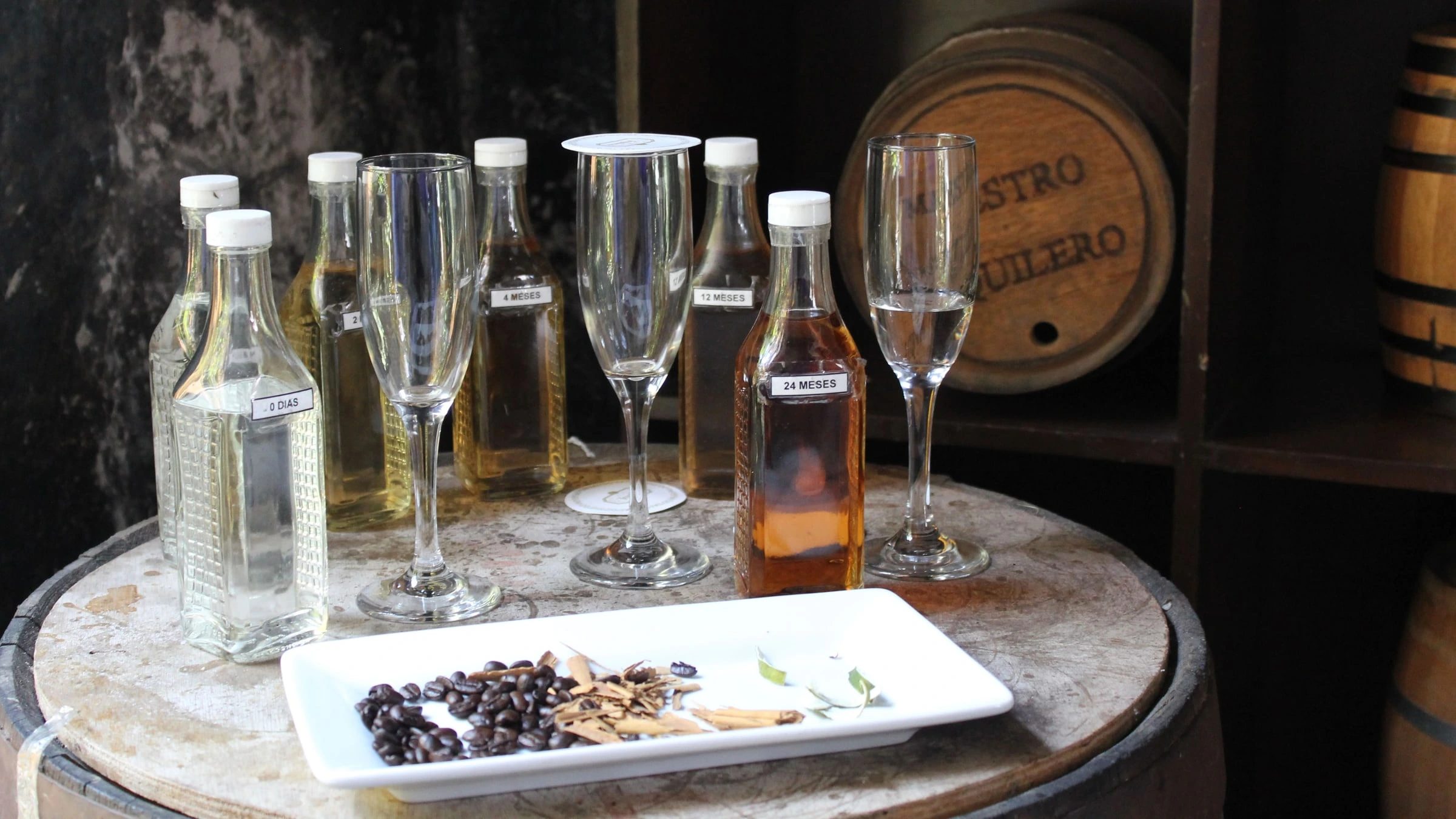
Beverage, Spirits & CPG
Snow Tequila: Rebuilding the Raise Around a Real Model
$1MFounders' Round SAFE, at a 25% discount to Series A
An investor-ready plan, dual-scenario model, and deck matching a standout product with standout documentation
Read the engagement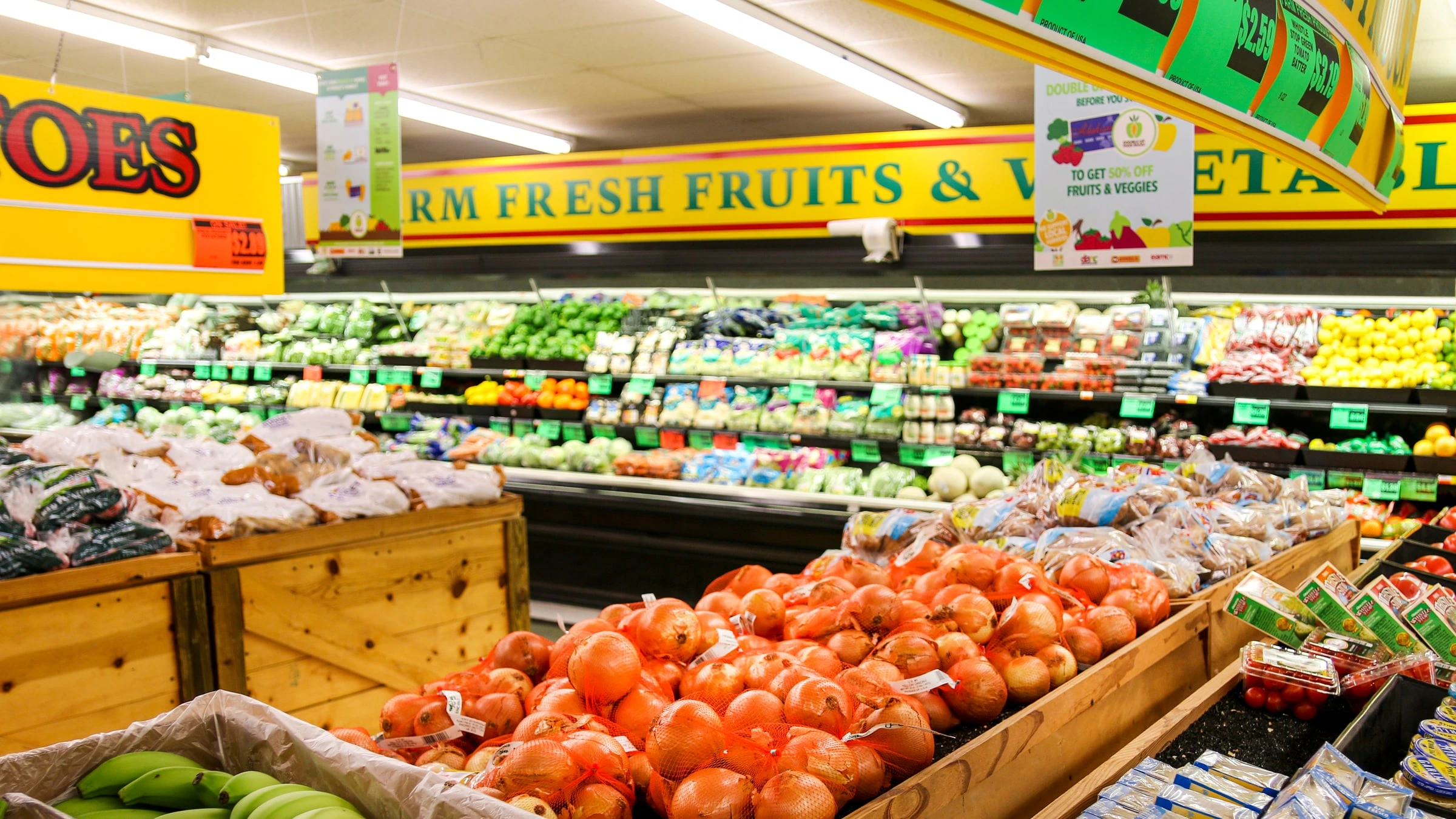
Specialty Retail & Grocery
Friendly Hypermarket: A Plan for a Community Grocery
Focuseda plan built around one clearly defined community
A financing-ready plan and model grounded in a clear market fit
Read the engagementRelated Pages
More for Spirits & Alcohol Brands, and beyond it
Other services for Food & Beverage
Market Research for other industries
The Full Practice