

Market Research · Cannabis Size a state cannabis market with the licensing reality in view.
We build market sizing state by state, map the licensed competitive field, and segment the consumer—within the bounds of each program’s rules. This is market research, done compliance-conscious—not legal or regulatory advice.
The Outcome
What market research actually gives you
Not a slide deck of generic stats — a defensible read of your market and a decision you can act on.
State-by-state sizing you can defend
Market size built from program data, license counts, and reported sales—sourced and triangulated, not guessed.
A licensing-aware competitive read
The licensed field mapped by tier, geography, and density, framed by how each state’s program structures the market.
A grounded consumer segmentation
Demand segmented by product form, occasion, and buyer type from available sales and survey data.
How we work
Here’s how we’d research it — sourced, not borrowed
We won’t hand you a report full of borrowed numbers. What follows is exactly how we’d research your market and what you’d get — every figure sourced, triangulated, and built bottom-up rather than pulled from a headline. Where the data is thin, we say so and present ranges with the derivation shown, so the work stands up to a board, a lender, or an investor.
Who it’s for: Operators, investors, and multi-state groups evaluating a state, license type, or expansion—who need a rigorous, compliance-conscious market read in a landscape that shifts state to state.
The Core Questions
Four research workstreams
Each engagement runs as focused workstreams built around the decisions you face. Here is the strategic question each one answers and how we’d go about answering it. We work as market researchers, compliance-conscious throughout—we do not provide legal or regulatory advice.
01
State-by-state market sizing
The question: How large is the addressable market in this specific state, given its program?
What we’d deliver: A bottom-up model built on each state’s own data: reported dispensary sales, license counts, population and consumption estimates, and program maturity. We size total and by segment, triangulate against state revenue reports, show ranges where data is early or thin, and cite every source. Each state is modeled on its own terms.
02
Licensing-aware competitive landscape
The question: Who holds licenses, and how is the market structured by the program’s rules?
What we’d deliver: A map of licensed operators by tier (cultivation, processing, retail), geography, and ownership, built from public license registries and state disclosures. We frame how each program’s caps, residency, and vertical-integration rules shape competition—as market context, not legal interpretation.
03
Competitive density & whitespace
The question: Where is the market saturated, and where is it under-served?
What we’d deliver: We overlay licensed retail and supply density against population and demand by county or region to expose over- and under-served areas. Output is a density map highlighting geographic whitespace, with the license and demand data behind each read.
04
Consumer segmentation
The question: Who buys, what do they buy, and how is demand shifting?
What we’d deliver: We segment demand by product form (flower, edibles, concentrates), occasion, and buyer profile using reported category sales, public consumption surveys, and available demographic data. Where primary signal helps and rules permit, we design compliant consumer research. Output is a segmentation with the evidence and its limits stated.
The Fuller Scope
The fuller scope
Beyond the four core workstreams, engagements often extend into the questions below. We scope only what the decision needs, and we stay compliance-conscious and in the research lane.
License-round context
How a state’s application round is structured and how many licenses of each type exist—as market intelligence, not application or legal advice.
Category & product-form trends
Which product categories are growing or declining in a market, from reported category sales.
Price & margin context
Reported retail and wholesale pricing trends framing the revenue environment—not a pricing recommendation.
Multi-state comparison
Sizing and competitive reads across candidate states so expansion sequencing rests on evidence.
Retail catchment analysis
Population and competitive density around a candidate retail location or region.
Market-maturity framing
Where a state sits on the maturity curve and what comparable markets suggest about its trajectory—clearly framed as inference.
Go/no-go framing
A structured brief consolidating sizing, competition, and consumer demand into a decision, with the thresholds that would change it.
Decisions This Research Informs
Decisions this research informs
Research is only worth it if it changes a decision. Here’s what ours is built to inform.
How big is this state’s addressable market?
Bottom-up sizing on state sales, license, and consumption data.
Which state do we enter or expand into next?
Multi-state comparison of size, density, and program structure.
How saturated is the competitive field?
License-based density mapping against population and demand.
Where is the geographic whitespace?
Retail and supply density overlaid on demand by region.
What products should we lead with?
Consumer segmentation by product form, occasion, and buyer.
Should we pursue this market?
Go/no-go brief integrating sizing, competition, and demand.
To size a state market, we start from that state’s own reported figures—published dispensary sales and tax revenue where available—cross-checked against a consumption-based build (adult population, participation and consumption estimates, average spend), with the two approaches triangulated and any divergence explained. Because programs and data quality differ sharply by state, we show ranges rather than false precision and state where the data is early or incomplete. Every figure ties to a named source—state regulator reports, license registries, published surveys—or a stated assumption; we do not invent sales figures, growth rates, or market values, and we frame licensing structure as market context rather than legal advice.
The Engagement
Rigorous, sourced, and decision-ready
A scoped research engagement built to answer specific questions — not a generic market overview. We frame the questions, run the desk and primary research, size the opportunity bottom-up, and deliver a synthesis you can put in front of a board or an investor.
Every number is defensible. We show the sources, the method, and the range — so the read holds up to scrutiny instead of collapsing on the first hard question.
Every market is different. The scope is where we frame the questions worth answering.
How It Works
From question to decision-ready answer
-
Scope & questions
We define the decision at stake and the specific questions the research must answer — so nothing gets sized or studied that doesn’t move the call.
-
Desk & primary research
Triangulated secondary sources plus primary inputs where they matter — competitor teardowns, customer signals, channel and pricing reads.
-
Bottom-up sizing & analysis
A TAM/SAM/SOM built from documented inputs, a competitive map, and the whitespace — with every figure traceable to a source.
-
Synthesis & recommendation
The findings resolved into a clear position and a go/no-go, written to stand up to a board, a lender, or an investor.
-
Decision support
We stay on to pressure-test the call, brief stakeholders, and feed the research into the launch, raise, or entry plan it informs.
FAQ
Cannabis & Emerging Markets — market-research questions
Do you provide legal, licensing, or regulatory advice?
No. We do market research, compliance-conscious throughout. We describe how a state’s program structures the market as context; application, licensing, and compliance decisions require qualified cannabis counsel.
Where do your market-size numbers come from?
Primarily each state’s own reported sales and tax data and license registries, cross-checked against a consumption-based build. We cite every source and show ranges where the data is early or thin.
Why size each state separately?
Because cannabis markets are defined by state programs—license caps, product rules, tax structure, and maturity all differ—so a single national number would obscure more than it reveals.
How current is the data in such a fast-moving market?
We date every source and note where a market is early-stage or where reporting lags. We’ll flag figures that are likely to move and why.
Can you help with a license application?
We can supply market context that informs one—market size, competitive density, demand. The application itself and its legal requirements belong with specialized counsel.
Do you run consumer research?
When the decision needs primary signal and the state’s rules permit, we design compliant consumer research and fold it into the segmentation, with its limits stated.
Can you compare several states for expansion?
Yes. Multi-state comparison of size, density, and program structure is a common scope for operators sequencing where to go next.
Do you recommend pricing or product strategy?
We provide the sizing, competitive, and consumer evidence and lay out trade-offs. Pricing and product decisions remain yours, made with your compliance advisors.
Proven Work
Our work in Retail & Consumer
Engagements from the same sector as Cannabis & Emerging Markets — each with the figures it published.
Retail & Franchising
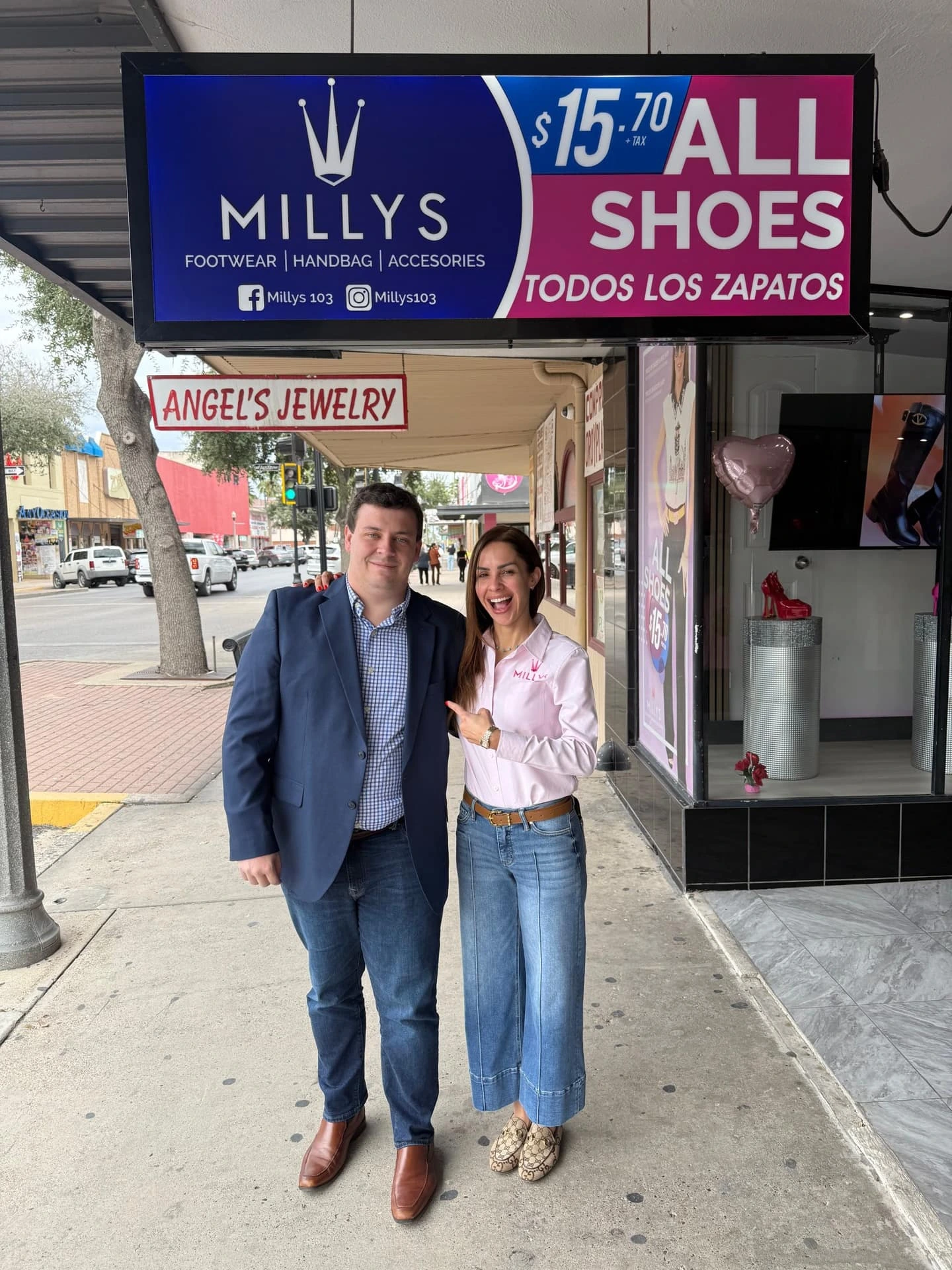
Milly's: Turning a Beloved Women's Footwear Store into a Franchise System
3 streamsthe franchise revenue model — wholesale margin, franchise fee & royalty
Operational playbook, unit economics, and a phased franchise expansion strategy
Read the engagement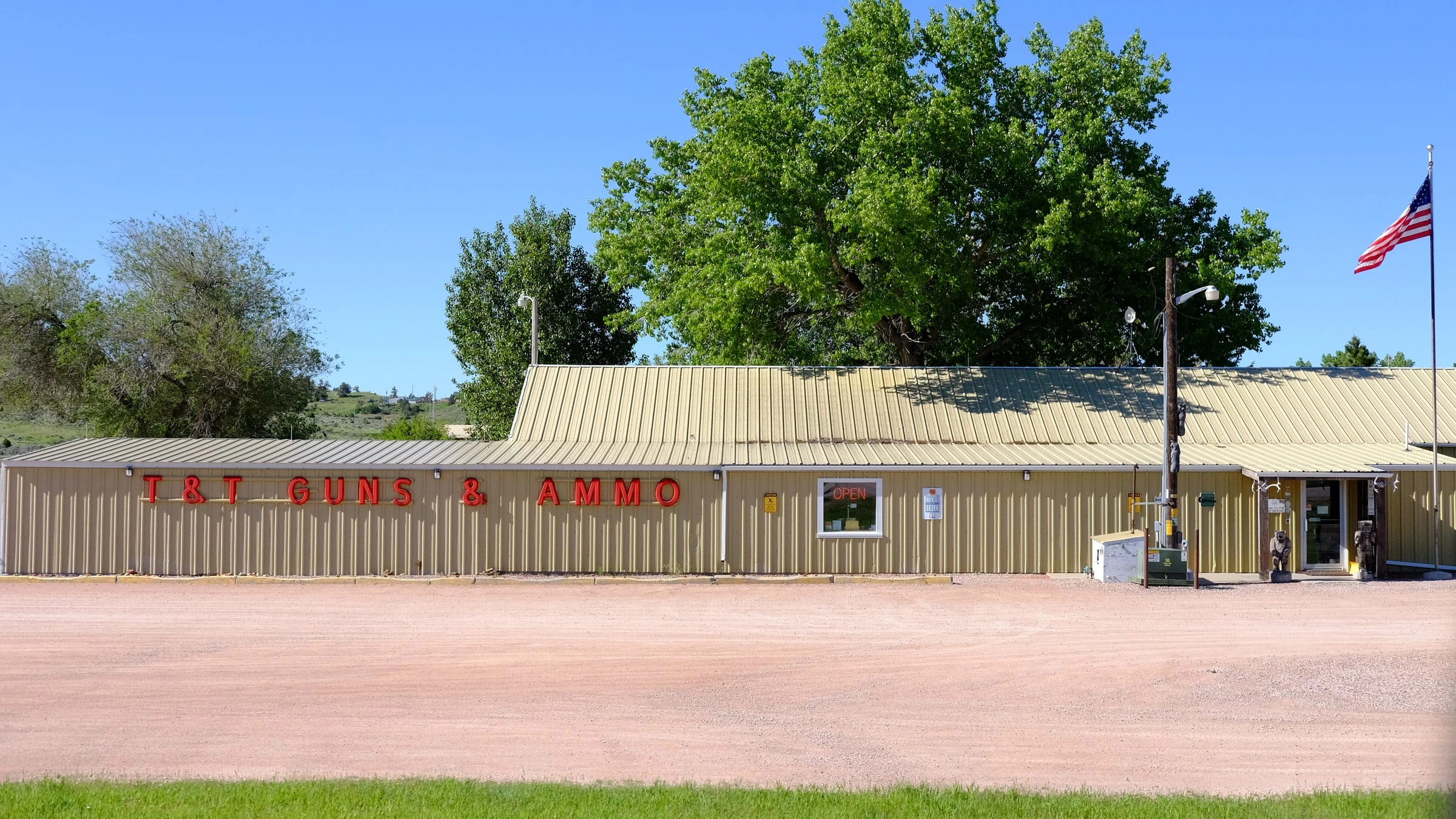
Retail & E-Commerce
Liberty Firearms: A Capital Package for a Firearms Retailer
Full packageplan, financial model, brand, and pitch deck
A financing-ready package for a regulated retail business
Read the engagement
Consumer Products · Premium Children's Furniture
Taking a Consumer Brand Upmarket: The Sunday Arvo House
60–110%above the visible market ceiling — the upmarket gap the strategy had to justify
A validated decision to go upmarket — the position, the economics, the sizing, and a 90-day launch plan
Read the engagementRelated Pages
More for Cannabis & Emerging Markets, and beyond it
Other services for Retail & Consumer
Market Research for other industries
The Full Practice