

Go-to-Market · DTC Traffic is easy to buy. Profit is the hard part.
Anyone can turn on ads and watch orders come in. Whether those orders make money is a different question — one that lives in your offer, your positioning, and the channel you chose. We build the go-to-market plan that gets a DTC brand to profitable acquisition, not just to a spike in sessions.
The Outcome
What a go-to-market engagement gives you
Not a deck that dies in a drawer — a launch you can actually run, with the positioning, pricing, and plan to back it.
An offer that pays for its own traffic
A first purchase priced and structured so the order can carry its acquisition cost — the number that decides whether paid growth is a flywheel or a leak.
One acquisition channel, proven first
The single channel most likely to work for your product and margin, tested to a real signal before you spread spend across Meta, Google, TikTok, and email at once.
A reason to be chosen, in one line
Positioning sharp enough to stop a scroll and survive a comparison tab — not another “premium, sustainable, thoughtfully designed” brand nobody can tell apart.
How we work
Here’s how we’d take it to market — and stay to run it
We won’t hand you a strategy deck and disappear. What follows is exactly how we’d position, price, and launch a business like yours — built on your real market and customers, measured against a baseline we set together, and executed with you, not just recommended. Where something can’t be known until the market responds, we build to test it, not to guess.
Who it’s for: Founders launching a direct-to-consumer brand, or an existing online brand that’s buying traffic but not keeping the margin and needs the offer, positioning, and channel plan reworked before scaling spend.
The Core Workstreams
The go-to-market questions we answer for DTC brands
A DTC launch lives or dies on a handful of numbers and the story around them. These are the four we work first — before a dollar of scale goes into ads.
Unit economics
An offer that funds acquisition
The challenge: Orders are coming in but the first purchase doesn’t earn enough to cover what it costs to acquire, so every sale quietly loses money.
What we’d deliver: We rebuild the offer — price, bundle, first-order value, and the margin under it — so the initial purchase can carry its acquisition cost, and we model where repeat revenue takes it from there.
Positioning
A reason to buy you over the tab next door
The challenge: Your product sits in a crowded category where every competitor claims premium and sustainable, and nothing tells a shopper why you specifically.
What we’d deliver: We find the wedge — the specific customer, use case, or belief you can own — and turn it into positioning and messaging that hold up in an ad, on the page, and against an open comparison tab.
Channel fit
The one channel to prove first
The challenge: You’re running Meta, Google, TikTok, and an influencer or two at once, and none has enough spend behind it to tell you what actually works.
What we’d deliver: We match your product, margin, and buying motion to the channel most likely to acquire profitably, concentrate spend there to reach a real signal, and define what has to be true before adding the next.
Launch plan
A 90-day path from launch to scale
The challenge: The store goes live, spend gets turned on, and there’s no plan for reading the numbers or deciding when to push versus fix.
What we’d deliver: We sequence a 90-day plan — soft launch, signal-reading, and the scale-up — with the CAC, contribution-margin, and retention thresholds that tell you when to pour on spend and when to hold.
The Fuller Scope
The fuller scope
Offer and channel are where we start. Depending on your product, margin, and stage, an engagement can also cover any of the below.
Ideal-customer profile & segmentation
We define the specific customer worth acquiring first — not everyone who might buy, but the segment that converts cheapest and stays longest — and aim the offer and creative at them.
Pricing, bundling & subscription design
We test price points, bundles, and whether a subscription or a strong one-time offer fits how people actually buy your product, so the first order and the repeat both make sense.
Creative & landing-page strategy
We shape the angles, hooks, and page structure the offer needs to convert cold traffic — the strategy behind the creative, aligned to the positioning, not just more ad variations.
Retention & lifetime-value plan
Because acquisition rarely pays back on the first order, we map the email, SMS, and repeat-purchase motion that turns a break-even first sale into a profitable customer.
Marketplace & wholesale question
We decide whether Amazon, another marketplace, or selective wholesale complements your DTC engine or cannibalizes its margin and data, and where each fits in the sequence.
Measurement & attribution setup
We define the few numbers that actually govern the business — contribution margin, blended CAC, payback window — so you scale on signal instead of last-click noise.
Influencer & organic-social motion
We assess whether creator, UGC, or organic content is a real acquisition channel for your product or a distraction, and scope it against paid before you commit to it.
Decisions a launch has to get right
Decisions this plan informs
A launch lives or dies on a handful of calls. Here’s what our work is built to get right.
Can we afford to scale ad spend?
The unit-economic model shows whether the first order covers its acquisition cost, which is the line between scaling and slowly bleeding.
Which channel gets the budget?
Channel-fit analysis names the one motion to prove first and concentrates spend there, instead of starving four channels at once.
One-time offer or subscription?
Pricing and retention work test which model matches how people actually rebuy your product, rather than defaulting to a subscription because it sounds like recurring revenue.
What’s an acceptable CAC?
Working backward from margin and payback window, the model sets the CAC ceiling that keeps growth profitable instead of guessing at a target.
When do we pour on spend?
The 90-day plan sets the CAC, margin, and retention thresholds that separate a channel worth scaling from one worth cutting.
Do we add Amazon or wholesale?
The channel analysis weighs incremental reach against margin and data loss before you hand either away.
We won’t hand you a benchmark CAC or a “good” conversion rate pulled from someone else’s brand — those numbers are meaningless against your margin and product. We build the model from your real costs and price, and we’re explicit about what’s still an assumption. A target CAC, an expected repeat rate, a landing-page conversion — each is marked as a hypothesis with a range and a test attached, so your first weeks of live spend replace our estimates with your own numbers.
The Engagement
Strategy that ships, not strategy that sits
A scoped go-to-market engagement built around your launch — positioning and messaging, pricing and packaging, channel and sales-motion design, and a 90-day plan. Not a generic framework; a plan tied to your product, your buyer, and your numbers.
We stay to run it. Unlike most strategy shops, we don’t stop at the recommendation — we help execute the launch, measure what the market does, and adjust against real signal.
Every launch is different. The scoping call is where we frame the moves that matter.
How It Works
From positioning to a launch you can run
-
Position & message
We define the position you can own and the message that lands — grounded in your real buyer, competitors, and differentiation.
-
Price & package
Pricing and packaging set against what the market bears and what your economics need, with the trade-offs made explicit.
-
Channel & sales motion
The route to market and the sales motion designed to fit how your buyer actually buys — not a generic funnel.
-
90-day launch plan
A sequenced, owner-ready plan with the moves, the milestones, and the baseline numbers we’ll measure against.
-
Execute & adjust
We stay on to help run the launch, watch what the market does, and adjust the plan against real results.
FAQ
E-commerce & DTC — go-to-market questions
We’re already getting sales from ads. Why do we need this?
Because sales and profit aren’t the same thing. Plenty of DTC brands scale revenue while every order loses money on acquisition. We check whether your first purchase actually covers its CAC, and if it doesn’t, we fix the offer before you pour more into spend.
Which channel should we start with — Meta, Google, or TikTok?
That depends on your product, margin, and how people decide to buy it, and it’s a core output of the work. We name the one channel most likely to acquire profitably and concentrate spend there long enough to get a real signal, rather than testing all three on a thin budget.
Do you run our ads or build the store?
No — we build the strategy that makes both work: the offer, positioning, channel choice, and the numbers that govern scale. We’ll shape creative angles and page structure, and we hand your team or agency a plan precise enough to execute against.
Should we launch a subscription?
Only if it matches how people actually rebuy your product. For some categories a subscription is the whole model; for others it adds churn and support load while a strong one-time offer performs better. We test that rather than assume recurring revenue is always the goal.
What does a realistic CAC look like for us?
We don’t start from a benchmark — we work backward from your margin and payback window to set the CAC ceiling your economics can sustain. Then live spend tells us the actual number, and we compare it to that ceiling instead of to an industry average.
Our positioning feels generic. Can you fix that?
That’s central to the work. Most DTC brands drown in the same premium-and-sustainable language. We find the specific wedge — a customer, use case, or belief you can own — and build messaging sharp enough to survive a scroll and a comparison tab.
We want to add Amazon and wholesale too. Should we?
Maybe — but sequence matters. Amazon and wholesale can add reach or quietly cannibalize your margin and your customer data. We weigh what each adds against what it costs and decide where it fits, rather than opening every channel at launch.
How long does an engagement take?
A focused offer-and-positioning engagement runs a few weeks; a full launch-to-scale plan runs longer. We scope it to your launch timeline up front and tailor every piece to your product — there’s no template we drop your brand into.
Proven Work
Our work in Retail & Consumer
Engagements from the same sector as E-commerce & DTC — each with the figures it published.
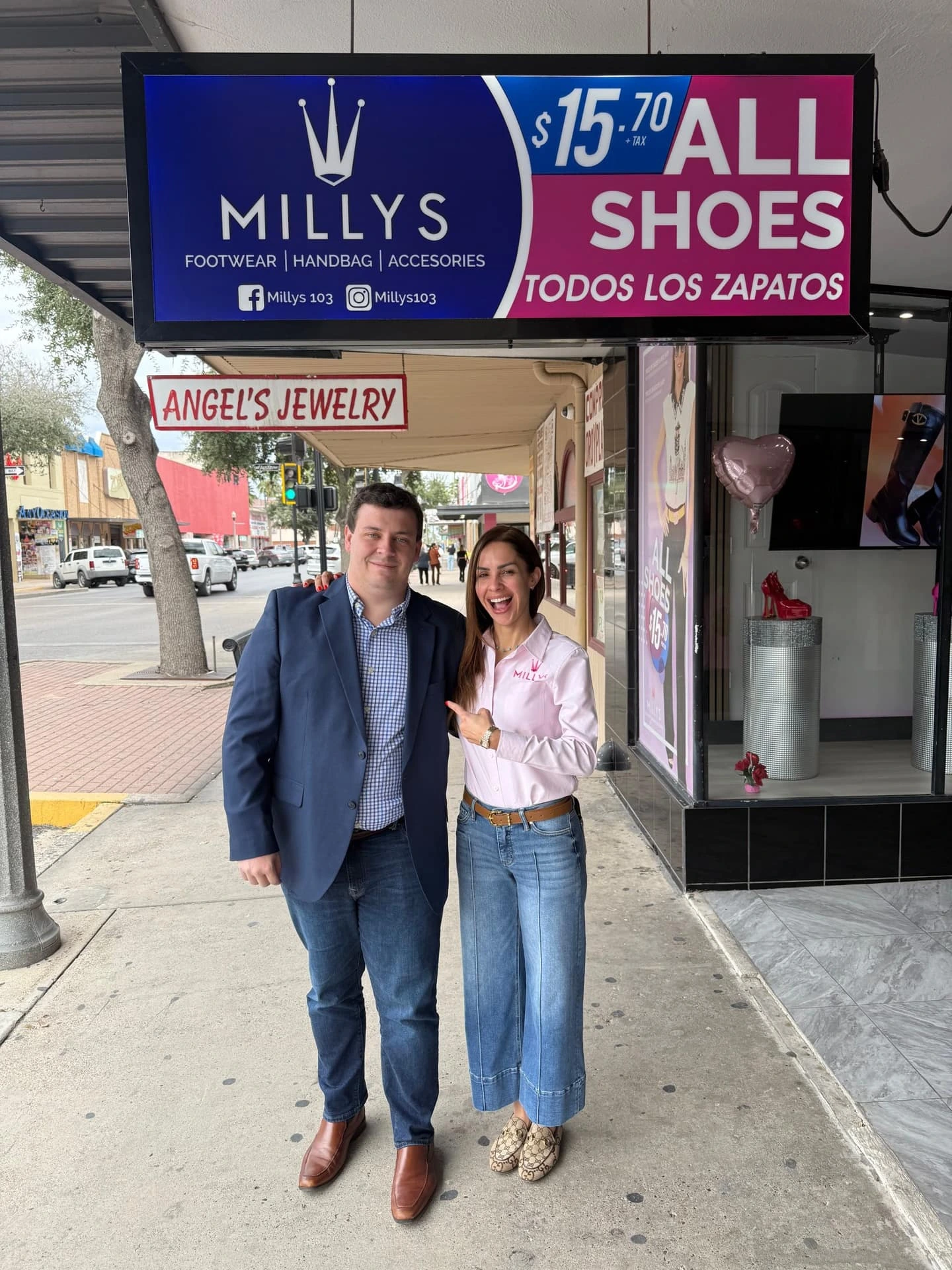
Retail & Franchising
Milly's: Turning a Beloved Women's Footwear Store into a Franchise System
3 streamsthe franchise revenue model — wholesale margin, franchise fee & royalty
Operational playbook, unit economics, and a phased franchise expansion strategy
Read the engagement
Consumer Products · Premium Children's Furniture
Taking a Consumer Brand Upmarket: The Sunday Arvo House
60–110%above the visible market ceiling — the upmarket gap the strategy had to justify
A validated decision to go upmarket — the position, the economics, the sizing, and a 90-day launch plan
Read the engagement
Fashion & Retail
Wyld Blue: Restructuring the Finances Behind a Fashion Brand
5workstreams run in parallel — diagnosis through revenue expansion
Marked increase in profitability and operational agility
Read the engagementRelated Pages
More for E-commerce & DTC, and beyond it
Other services for Retail & Consumer
Go-to-Market Strategy for other industries
- Go-to-Market Strategy for Professional Services
- Go-to-Market Strategy for Healthcare & Medtech
- Go-to-Market Strategy for Industrial & Manufacturing
- Go-to-Market Strategy for Food & Beverage
- Go-to-Market Strategy for Beauty & Personal Care
- Go-to-Market Strategy for Health & Wellness
- Go-to-Market Strategy for Medical Devices & HealthTech
- Go-to-Market Strategy for SaaS & Technology
- Go-to-Market Strategy for Fintech
- Go-to-Market Strategy for Consumer Products & CPG
The Full Practice