
DW Capital Portal
Property management platform
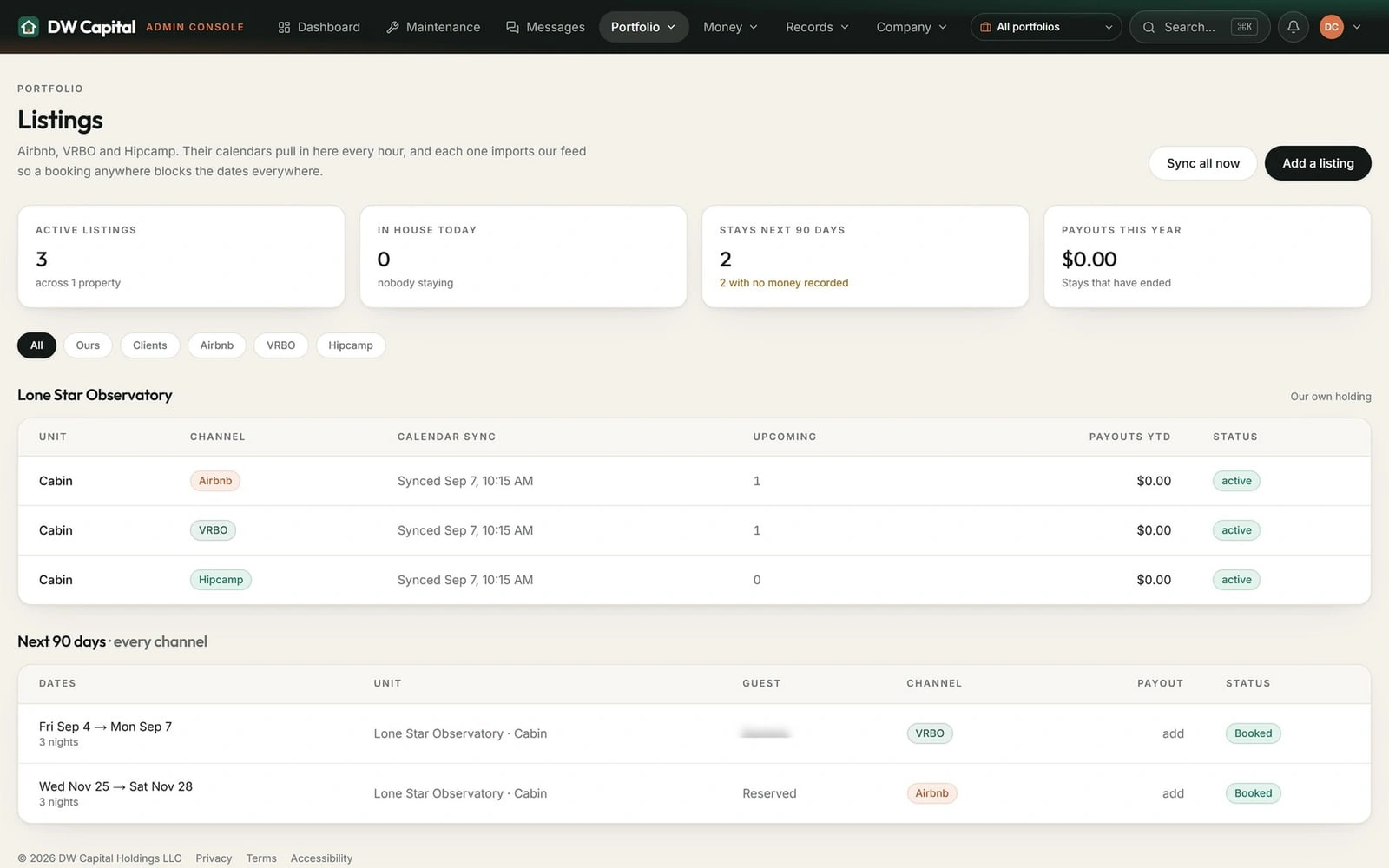
DW Capital Holdings runs a Texas property portfolio — long-term rentals alongside short-term and outdoor stays — and manages property for other owners as well as its own. This is the platform behind it: leases, rent and maintenance on one side, channel calendars and owner statements on the other, over a single database with four front doors. An owner, an administrator, a resident and a contractor each sign in to the slice that belongs to them. It is DW’s own software, built and operated in-house, and it is live.
Private client application — we walk you through it live rather than handing out a sign-in.
4 doors
owner, admin, resident, contractor
3 channels
Airbnb, VRBO & Hipcamp
Hourly
calendar sync, both directions
117 policies
row-level security across four roles
The Problem
A portfolio that is part long-term rentals and part short-term stays, managed partly for other owners, does not fit either kind of software. Property managers run long-term tools that know nothing about channel calendars; hosts run channel tools that know nothing about leases, rent or maintenance. DW was tracking both across three channel dashboards and a spreadsheet.
How It Works
Start to finish.
- 01
The lease spine
Property, then unit, then lease, then the charges and payments against it — with maintenance requests raising work orders on the same records. Everything else hangs off that spine instead of living in a parallel spreadsheet.
- 02
Four doors, one database
Staff, owners, residents and contractors each get their own surface over one Postgres, with 117 row-level policies deciding what a row may show before any application code asks for it.
- 03
Money in both directions
Stripe for rent and autopay, QuickBooks Online as the book of record, and rent charges, late fees and reminders raised on a schedule rather than by someone remembering to raise them.
- 04
The short-term layer
Channel calendars, turnovers, owner statements and occupancy tax built on top for the Airbnb, VRBO and Hipcamp side — the part of the portfolio with no real API behind it, only iCal.
Inside The Product
Portfolio switcher
DW’s own holdings and each managed owner’s properties in one console, with every view narrowed to the portfolio in scope.
Channel calendars
Airbnb, VRBO and Hipcamp expose iCal rather than full APIs, so calendars sync both ways every hour — bookings block dates everywhere at once.
Earnings from real exports
Channel calendars carry no money, so earnings come from the monthly transaction exports, matched on confirmation code and then on dates. Nothing writes until it is reviewed.
Owner statements
Income on a statement is money actually received and the management fee is a percentage of it. A sent statement is a frozen snapshot and is never recomputed.
Occupancy tax
Per-property tax rates with the remitter tracked, because a channel that collects and remits on your behalf is not the same as one that does not.
Application to signed lease
A public application per unit, screening, then a lease signed in the product — native e-signature with DocuSign available as a provider — so a tenancy never leaves the system to get started.
Maintenance that ends somewhere
A resident raises a request, staff triage it, and it becomes a work order assigned to a contractor who has their own sign-in. The thread stays attached to the unit, not to somebody’s inbox.
Market and rent check
ADR, occupancy and RevPAR from the portfolio’s own bookings, a hand-curated comparable set, and a rent check built on Zillow’s published research files — every suggestion shows its working.
Screens
Inside DW Capital Portal.
Real screens from the running product. Open any one to inspect it full size.
Under The Hood
How it’s built.
The decisions that are load-bearing — the ones that decide whether this still works in three years, and the reason each was made.
- 01 The lease is the spine
- Property, then unit, then lease, then the charges and payments against it — with maintenance requests raising work orders on the same records. Everything else hangs off that spine instead of living in a parallel spreadsheet.
- 02 Four roles, 117 policies
- Staff, owners, residents and contractors share one Postgres, with row-level security deciding what each may see before the query runs.
- 03 iCal because there is no API
- Airbnb, VRBO and Hipcamp expose calendars, not real APIs. The sync runs both directions every hour and treats the feed as the contract it actually is.
- 04 Money comes from exports, not calendars
- Channel calendars carry no money, so earnings come from the monthly transaction exports, matched on confirmation code and then on dates. Nothing writes until it has been reviewed.
- 05 A sent statement is frozen
- Income on a statement is money actually received and the fee is a percentage of it. Once sent it is a snapshot and is never silently recomputed underneath the owner who read it.
What Changed
Before, and after.
Before
Bookings, cleans, rent and maintenance tracked across separate dashboards and a spreadsheet.
After
One database with four front doors — owner, administrator, resident and contractor.
Before
Channel calendars checked by hand, and a double booking when one was missed.
After
Hourly two-way iCal sync, so a booking anywhere blocks the dates everywhere.
Before
Owner statements assembled by hand at month end.
After
A statement generated per owner and month, frozen the moment it is sent.
Before
Rent, late fees and reminders raised when somebody remembered.
After
Eight scheduled jobs raising them on the day they fall due.
Things We Have Built
More things we have built
Every one of these is live, and we designed and shipped all of it.
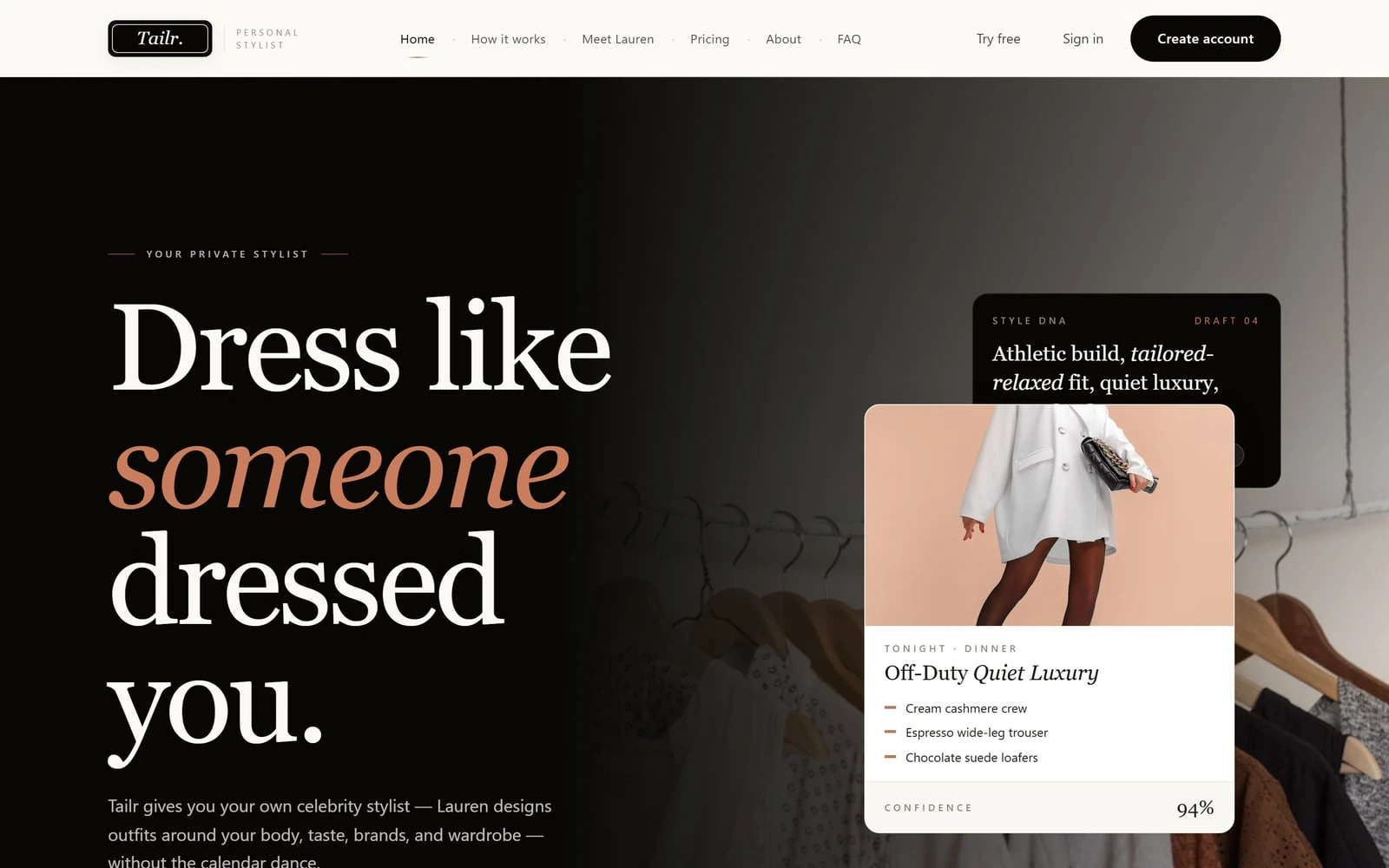
AI personal styling app
Tailr
CMA's own product
A consumer AI styling app — brand, marketing site, and product built end to end.
See how we built Tailr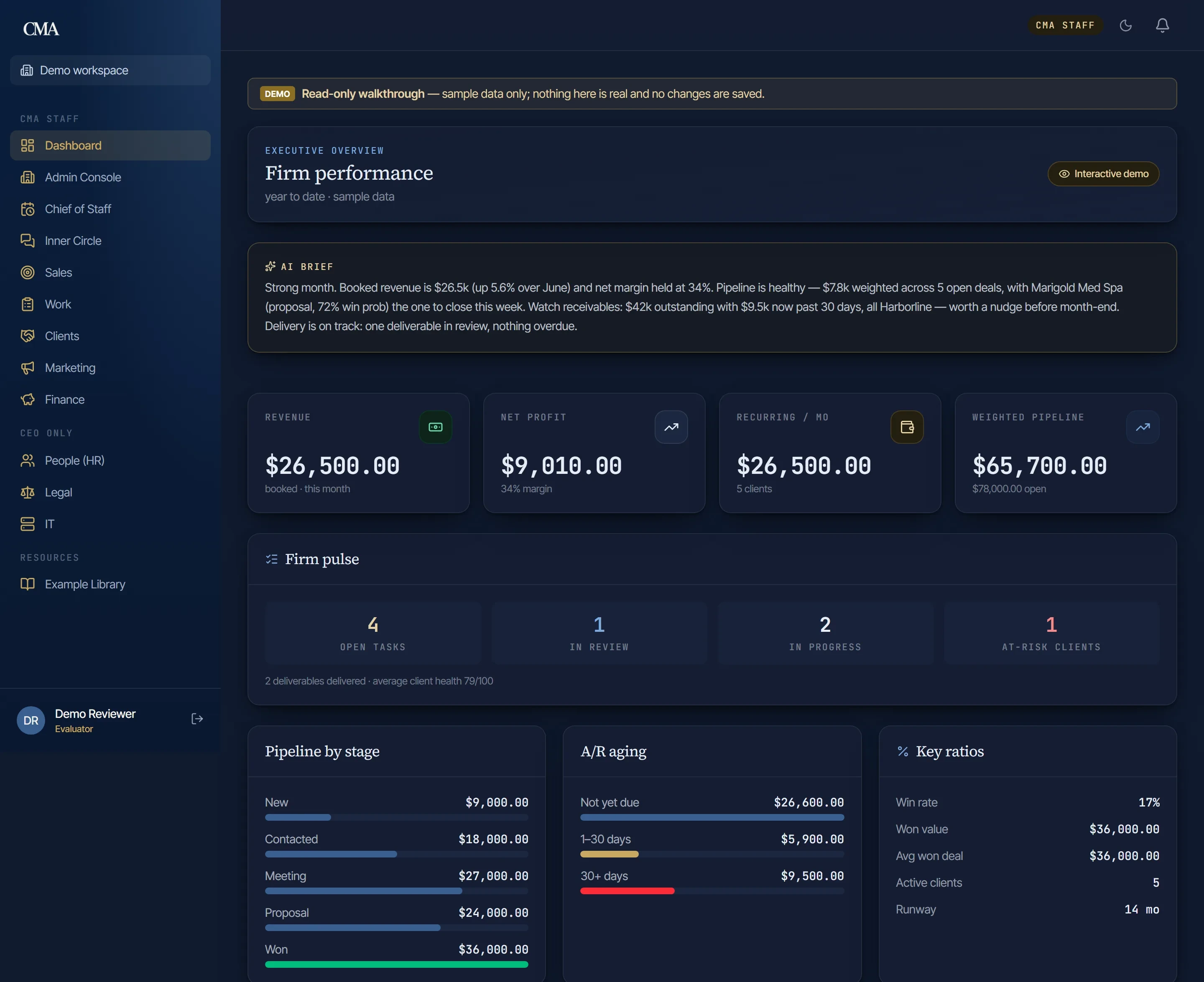
Multi-tenant operations platform
CMA Client Portal
CMA's own product
A multi-tenant client portal — scheduling, deliverables, and QuickBooks-synced billing. Built and run in-house.
See how we built CMA Client Portal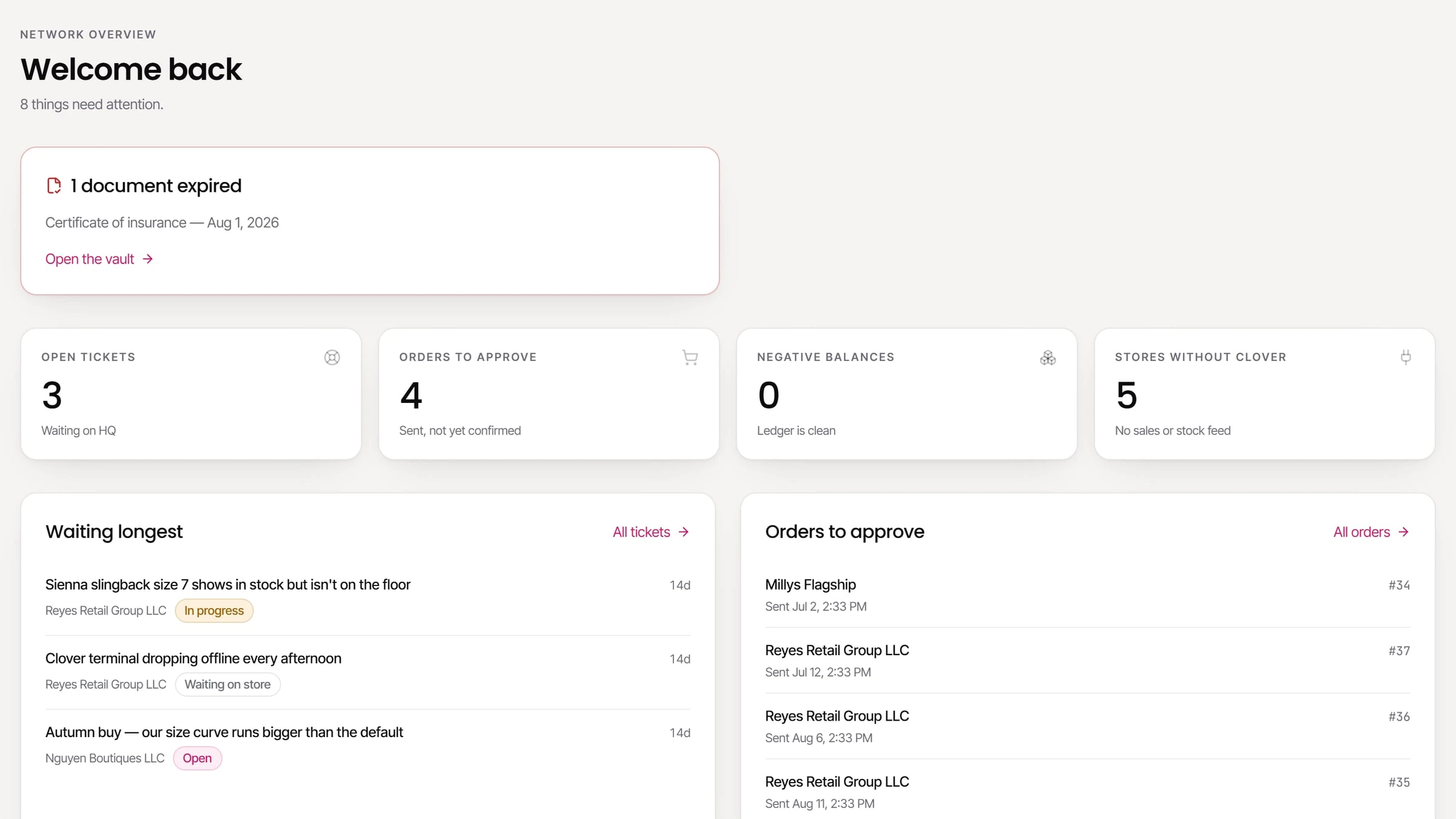
Franchise operating system
Milly's Franchise Portal
Built for Milly's — Rio Grande Valley, TX
A franchisor console, a franchisee portal and a warehouse ledger — the operating system behind a multi-store footwear franchise.
See how we built Milly's Franchise Portal