

Financial Analysis · Energy Project-finance models that a lender and an equity investor can both underwrite
An energy or infrastructure project is only bankable if the cash flows service the debt in every year a lender cares about and still return equity. We build the DSCR-sized debt, the cash-flow waterfall, and the levered and unlevered returns from your offtake and cost assumptions, transparently.
The Outcome
What a real financial model gives you
Not a spreadsheet of wishful numbers — a model built from your real drivers that a lender or investor can actually trust.
Debt sized to a DSCR the lender will accept
A model that sizes senior debt against your projected cash flows and a target coverage ratio, so the capital structure holds up in credit review.
A cash-flow waterfall that follows the money
A waterfall from revenue through operating costs, debt service, reserves, and distributions, so every party can see where their cash sits in line.
Levered and unlevered returns, stated honestly
IRR and cash-yield outputs computed from your assumptions, presented as projections under stated conditions, never as achieved results.
How we work
Here’s how we’d model it — from your drivers, not our wishes
We won’t hand you a hockey-stick built on invented assumptions. What follows is exactly how we’d model your business — from your real drivers, with transparent, stress-tested assumptions, and honesty about what can’t be known before you have the data. Where a number genuinely can’t be forecast yet, we build a framework to fill, not a fiction to sell.
Who it’s for: Developers, sponsors, and independent power producers for solar, storage, wind, and other infrastructure; and investors or lenders evaluating a project's debt capacity, returns, and downside under an offtake contract.
What We Model
Four modeling workstreams for project finance
Each workstream starts with a financing question, how much debt, what return, what if, and ends with a model you can open and re-run. We build from your offtake terms, cost estimates, and incentive structure; where an input is uncertain by nature, we make it an explicit sensitivity rather than a hidden assumption.
Debt Sizing
Debt sizing & DSCR model
The question: How much senior debt can this project support given its projected cash flows and a coverage ratio the lender will require?
What we’d build: We project operating cash flow from your offtake and cost assumptions, then size debt against a target minimum and average DSCR, producing the sculpted or level debt schedule and the coverage profile a credit committee will scrutinize.
Revenue
PPA / offtake revenue model
The question: What does the project actually earn given the offtake contract, escalation, production profile, and any merchant exposure?
What we’d build: We model revenue from your PPA or offtake terms, contracted price and escalation applied to a production or availability profile, and separate contracted from merchant revenue so the risk in the top line is visible rather than blended away.
Waterfall
Cash-flow waterfall & returns model
The question: After operating costs, debt service, and reserves, what actually reaches equity, and what are the levered and unlevered returns?
What we’d build: We build the cash-flow waterfall from revenue through opex, debt service, reserve accounts, and distributions, then compute unlevered and levered IRR and cash yield, each presented as a projection under stated assumptions, not a guaranteed return.
Sensitivity
Scenario, tax-incentive & sensitivity model
The question: How do returns and debt coverage hold up if production, prices, costs, or the tax-incentive treatment come in worse than base case?
What we’d build: We build sensitivities across production, price, cost, and financing, model the tax-incentive treatment your advisors confirm, and stress the downside so you can see where DSCR gets tight and where equity returns break, before capital is committed.
The Fuller Scope
The fuller scope
Beyond the four core workstreams, sponsors and investors ask us to model specific structures and decisions. These come up most often, each built from your real terms with assumptions you can see and change.
Capital-structure optimization
Testing debt-to-equity mixes and terms to balance coverage, returns, and lender constraints across the project life.
Debt-sculpting to a target DSCR
Shaping the repayment schedule to hold coverage at a constant target, maximizing supportable debt where cash flows allow.
Tax-equity and incentive structuring
Modeling the cash and timing impact of incentives your tax advisors confirm, with the structure's effect on sponsor returns made explicit.
Merchant-vs-contracted exposure
Separating contracted and merchant revenue and stressing the merchant tail so the top-line risk is visible.
Refinancing and reserve sizing
Modeling a refinance and the debt-service and maintenance reserves a lender will require.
Portfolio roll-up across projects
Aggregating multiple assets into a portfolio view of combined cash flow, coverage, and returns.
Lender and investment-committee package
A model and narrative structured for the credit committee or investment committee evaluating the project.
The Questions the Model Answers
The questions the model answers
A model earns its keep by answering the decisions that ride on the numbers. Here’s what ours is built to answer.
Supportable senior debt
Sized against projected cash flows and a target DSCR, so the debt quantum reflects what the project can actually service.
Minimum and average DSCR
The debt schedule reports coverage in every period, so you see the tightest year a lender will focus on.
Contracted vs. merchant revenue
The revenue model separates the two, so the risk in the top line is explicit rather than blended into one number.
Unlevered and levered IRR
The waterfall computes both, presented as projections under stated assumptions so equity return isn't confused with a promise.
Downside coverage and return
The sensitivity layer shows where DSCR gets tight and where equity returns break under worse production, price, or cost.
Tax-incentive cash impact
The model reflects the incentive treatment your advisors confirm and isolates its effect on timing and sponsor returns.
We build revenue from your actual offtake terms and cost estimates, size debt to a coverage ratio you and the lender specify, and reflect the tax-incentive treatment your tax advisors confirm, not a treatment we assume. Because production, merchant prices, and long-dated costs are uncertain by nature, we model them as explicit sensitivities and stress the downside, so DSCR and equity returns are shown across a range rather than as a single confident line. Every IRR and yield in the model is a projection under stated assumptions; we never present a projected return as achieved.
The Engagement
Investor-grade, driver-based, and yours to run
A scoped modeling engagement built from the drivers you actually control — not a top-down guess. We map the assumptions, build the model, stress-test it with scenarios, and hand you a tool your team can run, present, and defend.
Transparent and honest. Every assumption is visible and sourced, downside cases are shown rather than hidden, and where something can’t be known yet we say so — a model you can stand behind, not one that flatters a deck.
Every business is different. Discovery is where we map the drivers your model runs on.
How It Works
From drivers to a model you can defend
-
Discovery & drivers
We map the real operating drivers — pricing, volume, cost structure, cash timing — and the decision the model has to support.
-
Model build
A clean, driver-based, three-statement or purpose-built model with a transparent assumptions tab everything flexes from.
-
Scenarios & sensitivity
Base, upside, and downside cases plus the sensitivities that show which assumptions actually move the outcome.
-
Review & pressure-test
We stress the model against the questions a lender or investor will ask — coverage, runway, returns, breakeven — and fix what doesn’t hold.
-
Deliver & support
You get a documented model your team can run, plus support taking it into the raise, the loan, or the board meeting it was built for.
FAQ
Energy & Infrastructure — financial-modeling questions
Will the model tell me the project will hit a target IRR?
No. It computes IRR under your stated assumptions and shows how that return moves as production, price, and cost change. We present projected returns as projections and stress the downside; we never represent a modeled return as achieved.
Can you size debt to a specific DSCR my lender requires?
Yes. That's a core workstream. We sculpt or size the debt to your target minimum and average coverage and report the DSCR profile a credit committee will examine.
Do you provide tax or legal advice on incentives?
No. We model the cash and timing impact of the incentive treatment your tax and legal advisors confirm. We build the financial mechanics; the qualification and structuring opinion must come from your specialists.
Can you model merchant exposure, not just a fully contracted PPA?
Yes. We separate contracted and merchant revenue and stress the merchant tail so the risk in the top line is explicit rather than buried in a blended price.
Is this suitable for a lender or investment-committee submission?
We structure the model and narrative for how credit and investment committees underwrite projects. We can't guarantee the decision, but we present the economics in the format and terms they expect.
What do you need from me to start?
The offtake or PPA terms, production or availability estimates, capex and opex assumptions, target financing terms and coverage ratios, and your advisors' confirmed tax-incentive treatment.
Can you aggregate several projects into a portfolio?
Yes. We can roll multiple assets into a combined view of cash flow, coverage, and returns while keeping each project's drivers editable underneath.
Do you keep supporting the model after delivery?
The model is yours and we teach you to run it. Sponsors commonly bring us back as terms firm up, before a financing close, or when refinancing to update and re-stress the assumptions.
Proven Work
Our work in Energy & Infrastructure
Engagements from the same sector as Energy & Infrastructure — each with the figures it published.
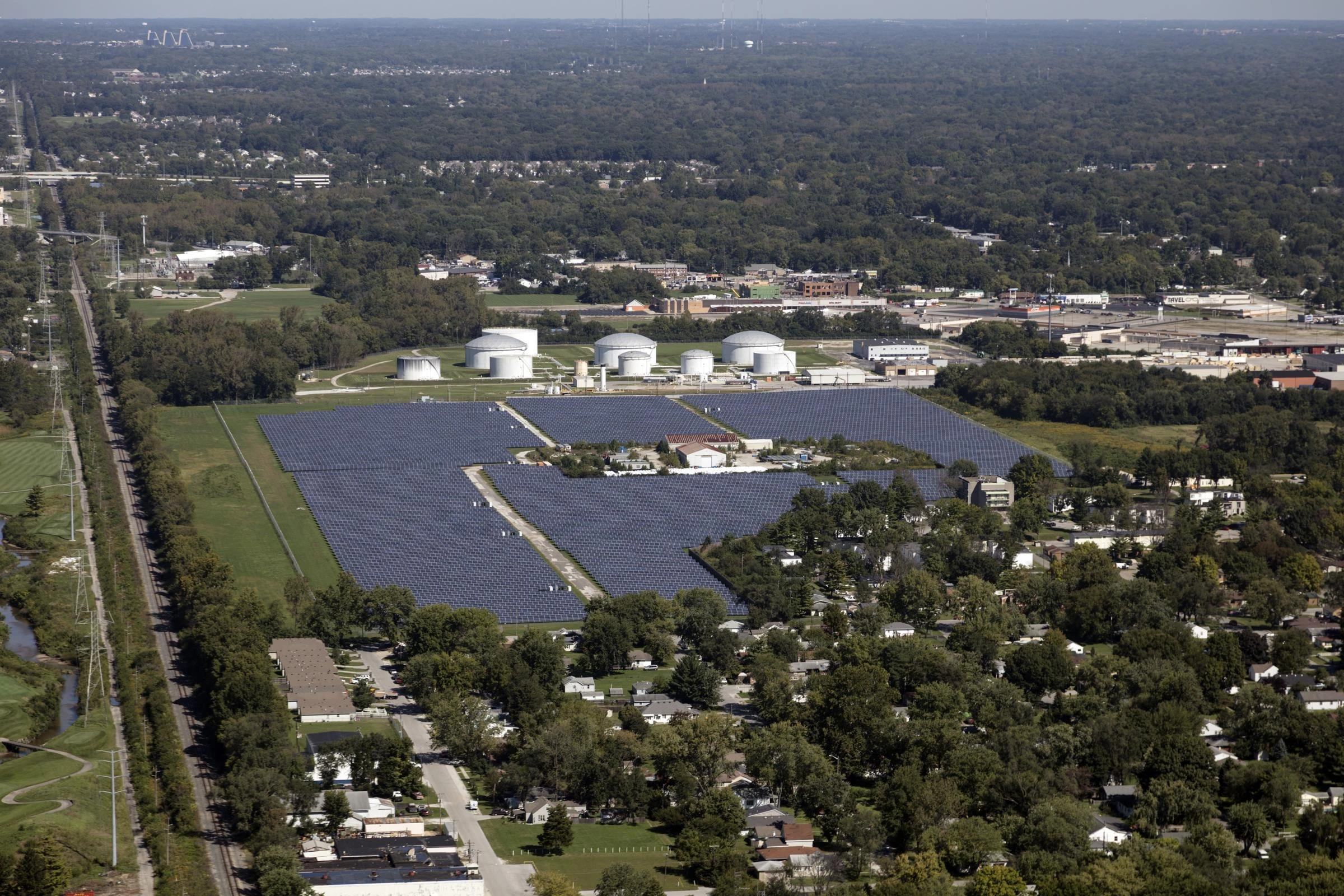
Renewable Energy & Infrastructure
BRE: A $380M Project-Finance Package for a 932 MW Solar Project
$380Msenior secured financing, non-recourse to the sponsor
A lender-grade, non-recourse financing package for a 932 MW, PPA-anchored solar project
Read the engagement
Clean-Energy Investment · Project Finance
Packaging a Preferred-Equity Clean-Energy Fund for LPs
$1.0Bof transactions completed — the track record
An institutional-grade LP pitchbook translating a tax-advantaged structure into a fundable narrative
Read the engagementInfrastructure Finance · Clean Energy
Rebuilding a Credit-Rating and Project-Finance Framework for Distributed Renewable Energy
8–10distinct DRE business models unified under one credit framework
A unified, empirical credit framework and a suite of project-finance models
Read the engagementRelated Pages
More for Energy & Infrastructure, and beyond it
Financial Analysis for other industries
- Financial Analysis for Startups & Fundraising
- Financial Analysis for Real Estate
- Financial Analysis for Restaurants & Hospitality
- Financial Analysis for E-commerce & DTC
- Financial Analysis for Construction & Contractors
- Financial Analysis for Healthcare Practices
- Financial Analysis for Manufacturing & Products
The Full Practice