

Financial Analysis · Manufacturing Unit economics first, because that's where a product business is won or lost
If you don't know your true contribution margin per unit, every other number is a guess. We build the model from your bill of materials, labor, and overhead up, so pricing, capacity, and fundraising decisions rest on economics you can actually see.
The Outcome
What a real financial model gives you
Not a spreadsheet of wishful numbers — a model built from your real drivers that a lender or investor can actually trust.
True cost and margin per unit
A bottom-up unit-economics model from bill of materials, labor, and allocated overhead, so you know what each product really earns before volume enters the picture.
A gross-margin bridge that explains itself
A model that decomposes margin changes into price, mix, material cost, and volume, so you can see exactly what moved and why.
A capacity and capex plan tied to demand
A model linking new equipment and capacity to the volume that justifies it, with the working-capital drag made explicit.
How we work
Here’s how we’d model it — from your drivers, not our wishes
We won’t hand you a hockey-stick built on invented assumptions. What follows is exactly how we’d model your business — from your real drivers, with transparent, stress-tested assumptions, and honesty about what can’t be known before you have the data. Where a number genuinely can’t be forecast yet, we build a framework to fill, not a fiction to sell.
Who it’s for: Manufacturers, hardware and consumer-product companies, and product startups pricing a line, planning capacity, managing working capital, or raising capital from banks or equity investors.
What We Model
Four modeling workstreams for product companies
Each workstream starts with a decision you face, price it, scale it, fund it, and ends with a model you can open and change one assumption in. We build from your cost data; where a driver depends on volume or terms you haven't locked, we make it an explicit, adjustable input.
Unit Economics
Unit-economics & contribution model
The question: What does each product truly cost to make and deliver, and what does it contribute after materials, labor, freight, and returns?
What we’d build: We build cost per unit bottom-up from your bill of materials, direct labor, freight, and allocated overhead, then compute contribution margin per SKU so you can see which products carry the business and which quietly drain it.
Margin Bridge
Gross-margin bridge & pricing model
The question: Why did margin move, and what happens to profit if you change price, when material costs rise, or the product mix shifts?
What we’d build: We build a margin bridge that separates price, mix, cost, and volume effects, then wire it to a pricing model so you can test a price change or a cost increase and watch it flow to the bottom line before you commit.
Capacity & Capex
Capacity, capex & throughput model
The question: At what volume do you run out of capacity, and does the next machine, shift, or line earn its cost given realistic utilization?
What we’d build: We model current throughput against demand, identify the capacity ceiling, and test capex additions on the utilization and financing terms you provide, showing payback and the working capital a bigger operation ties up.
Scale & Raise
Working-capital & fundraising model
The question: How much cash does growth actually consume in inventory and receivables, and how much capital do you need to raise to fund it?
What we’d build: We build a three-statement model that ties inventory, payables, and receivables to your operating cycle, quantifies the cash growth swallows before it returns, and packages it into projections an investor or lender can underwrite.
The Fuller Scope
The fuller scope
Beyond the four core workstreams, product companies ask us to model specific decisions. These come up most often, each built from your real drivers with assumptions you can see and change.
Make-vs-buy and outsourcing analysis
Comparing in-house production against contract manufacturing on fully loaded cost, capex avoided, and margin.
Pricing and discount-structure testing
Modeling how a list-price change or a volume-discount tier affects blended margin across your channels.
SKU rationalization
Ranking products by true contribution so you can see which SKUs to keep, reprice, or retire.
Inventory and reorder economics
Modeling how safety stock, lead times, and order quantities tie up cash, so you carry what you need and no more.
Channel and customer profitability
Loading channel-specific costs, freight, fees, chargebacks, so you know which customers and channels actually pay.
New-product launch model
Projecting tooling, ramp, and breakeven volume for a new product before you commit capital to it.
Equity raise or bank-facility package
A projection model and narrative structured for the investor or lender evaluating your growth plan.
The Questions the Model Answers
The questions the model answers
A model earns its keep by answering the decisions that ride on the numbers. Here’s what ours is built to answer.
Contribution margin per unit
Built bottom-up from bill of materials, labor, freight, and overhead, so you see what each SKU truly contributes.
Gross-margin drivers
The margin bridge separates price, mix, cost, and volume, so you know exactly what moved profit and by how much.
Price-change profit impact
The pricing model flows a list-price or discount change through to blended margin and operating profit before you act.
Capacity ceiling and capex payback
The throughput model shows the volume at which you run out of room and whether the next capex investment pays for itself.
Cash consumed by growth
The working-capital model quantifies how much inventory and receivables absorb as you scale, the number most growth plans underestimate.
Capital required to fund the plan
The fundraising model sizes the raise or facility needed to fund the operating cycle through to self-sustaining cash flow.
We build cost per unit from your actual bill of materials, labor rates, and freight, and we tie inventory and receivables to your real operating cycle, not to a rule-of-thumb margin. Where a driver is genuinely unknowable, say the material cost twelve months out or the volume a new SKU will hit, we model it as an explicit, adjustable input and show how sensitive profit is to it. The model is a framework for testing pricing, capacity, and funding decisions under different conditions; it is not a promise of a particular sales volume or margin.
The Engagement
Investor-grade, driver-based, and yours to run
A scoped modeling engagement built from the drivers you actually control — not a top-down guess. We map the assumptions, build the model, stress-test it with scenarios, and hand you a tool your team can run, present, and defend.
Transparent and honest. Every assumption is visible and sourced, downside cases are shown rather than hidden, and where something can’t be known yet we say so — a model you can stand behind, not one that flatters a deck.
Every business is different. Discovery is where we map the drivers your model runs on.
How It Works
From drivers to a model you can defend
-
Discovery & drivers
We map the real operating drivers — pricing, volume, cost structure, cash timing — and the decision the model has to support.
-
Model build
A clean, driver-based, three-statement or purpose-built model with a transparent assumptions tab everything flexes from.
-
Scenarios & sensitivity
Base, upside, and downside cases plus the sensitivities that show which assumptions actually move the outcome.
-
Review & pressure-test
We stress the model against the questions a lender or investor will ask — coverage, runway, returns, breakeven — and fix what doesn’t hold.
-
Deliver & support
You get a documented model your team can run, plus support taking it into the raise, the loan, or the board meeting it was built for.
FAQ
Manufacturing & Products — financial-modeling questions
Will you tell me what price to charge?
We show you what each price does to margin, volume assumptions, and profit so you can decide with the full picture. We model the tradeoffs rigorously; the pricing decision, which also involves brand and strategy, stays yours.
How is this different from my accounting or ERP reports?
Your ERP tells you what things cost historically. The model projects what happens to profit and cash under decisions you haven't made yet, a price change, a new machine, a growth plan, so you can test them first.
I sell hundreds of SKUs. Can you model that?
Yes. We typically build detailed unit economics for the SKUs that drive most of your volume and margin, then group the long tail. You get precision where it matters without drowning in detail.
What if my cost data is messy?
We'll work with what you have, flag where it's weak, and build explicit assumptions you can refine. We won't dress up a rough number as a precise one.
Can the model handle raw-material price volatility?
Yes. We build material cost as a sensitivity so you can see how a swing in a key input flows to margin, and stress-test the downside rather than assuming stable prices.
Can you build projections for investors or a bank?
Yes. We structure the model and narrative for how an equity investor or lender underwrites a product business. We can't guarantee the raise, but we present your economics credibly and in their terms.
What do you need from me to start?
Bills of materials or product costs, labor and overhead detail, recent financials, sales by product, and your inventory and payment terms. The better the cost data, the sharper the unit economics.
Do you keep supporting the model after delivery?
The model is yours and we teach you to run it. Product companies often bring us back when costs shift, before a launch, or ahead of a raise to update and re-stress the numbers.
Proven Work
Our work in Construction, Industrial & Logistics
Engagements from the same sector as Manufacturing & Products — each with the figures it published.
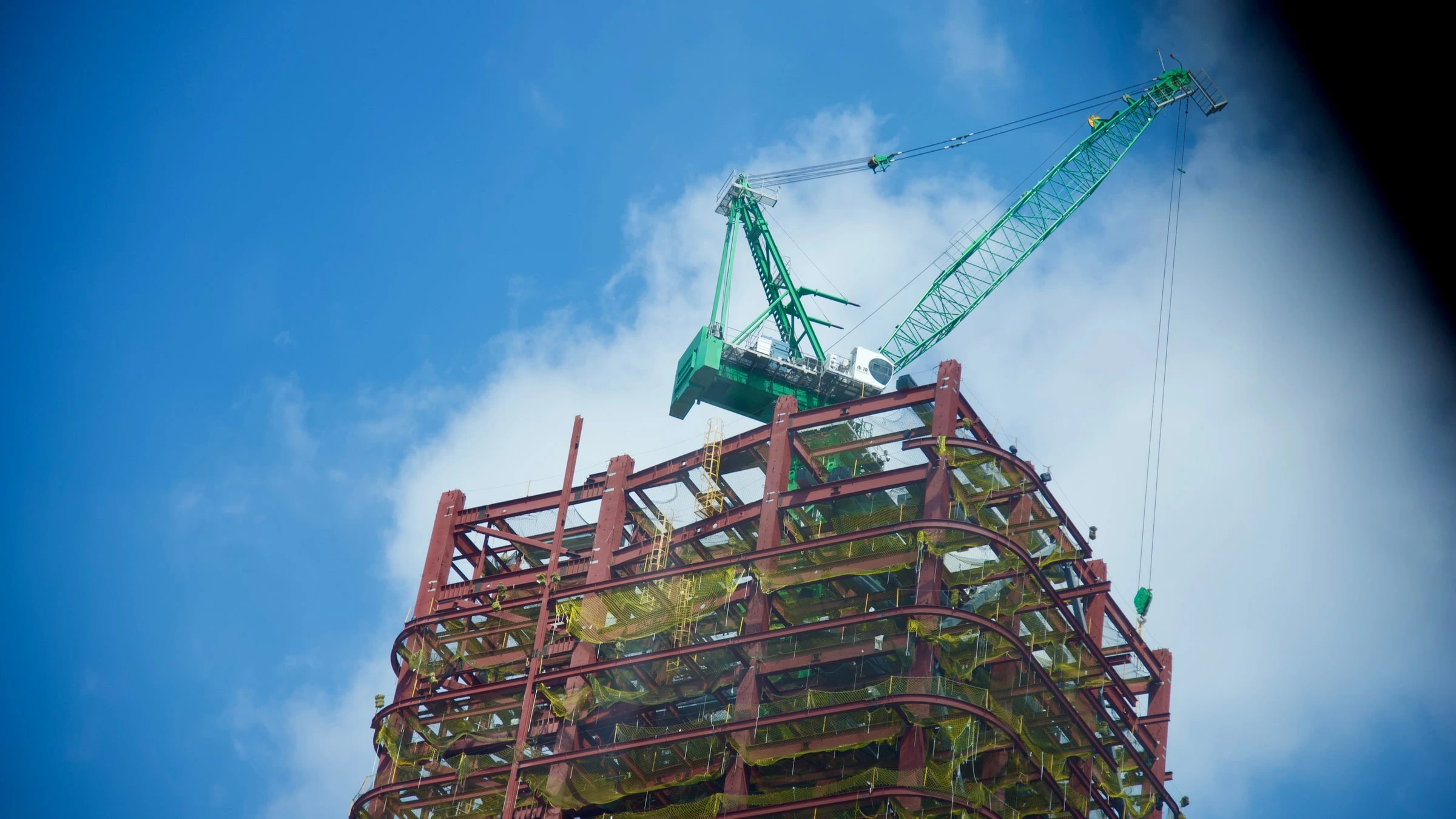
Construction & Modular Housing
SteelHomes: The Capital Package for a 12× Capacity Step-Change
$60Mequity raise to fund a robotics-driven production plant
A complete, funding-ready capital package for a steel-built housing company
Read the engagement
Consumer Products & Manufacturing
Arista Seating Solutions: An Investable Company Around a Patent
$12.6MYear-5 projected revenue on a single-entity model
A funding-ready package presenting a patented product as a defensible business
Read the engagement
Construction & Government Contracting
BT Construction: A Government-Contracting Growth Plan
Contract-readya plan built to the standard government buyers expect
A government-contracting-ready plan, model, brand, and deck
Read the engagementRelated Pages
More for Manufacturing & Products, and beyond it
Other services for Construction, Industrial & Logistics
Financial Analysis for other industries
- Financial Analysis for Energy & Infrastructure
- Financial Analysis for Startups & Fundraising
- Financial Analysis for Real Estate
- Financial Analysis for Restaurants & Hospitality
- Financial Analysis for E-commerce & DTC
- Financial Analysis for Construction & Contractors
- Financial Analysis for Healthcare Practices
The Full Practice