

Financial Analysis · Construction A financial model that respects how construction cash actually moves
Contractors don't go under because they're unprofitable on paper; they go under because cash arrives after they've already spent it. We build a model from your job costs, billing terms, and retention so you can see the timing before it hurts.
The Outcome
What a real financial model gives you
Not a spreadsheet of wishful numbers — a model built from your real drivers that a lender or investor can actually trust.
Cash-flow timing you can plan around
A weekly and monthly cash model that ties draws, retention, and payables to real job schedules, so you know which weeks are tight before the bank does.
Job economics you can trust when you bid
Gross-margin math by job type built from your historical cost structure, so the next bid is priced on evidence rather than gut feel.
A growth plan your bonding company can read
A three-statement model that shows how much working capital a bigger backlog actually consumes, framed the way a surety underwriter thinks.
How we work
Here’s how we’d model it — from your drivers, not our wishes
We won’t hand you a hockey-stick built on invented assumptions. What follows is exactly how we’d model your business — from your real drivers, with transparent, stress-tested assumptions, and honesty about what can’t be known before you have the data. Where a number genuinely can’t be forecast yet, we build a framework to fill, not a fiction to sell.
Who it’s for: General contractors, specialty and trade subcontractors, and construction firms planning to scale backlog, buy equipment, add crews, or approach a bank or surety for expanded capacity.
What We Model
Four modeling workstreams for contractors
Each workstream starts with a decision you're actually facing and ends with a model you can open, change an assumption in, and watch the answer move. We build from your data; where a number is genuinely unknowable, we make the assumption explicit rather than burying it.
Job Economics
Job-cost & margin model
The question: Which kinds of work actually make money once labor burden, equipment, and overhead are loaded in, and where should you bid harder or walk away?
What we’d build: We rebuild gross margin by job type from your completed-job costs, load in true labor burden and equipment recovery, allocate overhead, and produce a bid model where you enter a scope and see the margin at the bottom line, not just at the estimate line.
Cash Timing
Cash-flow & draw-timing model
The question: Given your billing schedule, retention, and payment lag, which weeks run short on cash, and how large does the line of credit need to be to bridge them?
What we’d build: We model each active and pipeline job's draw schedule against its cost outflows, layer in retention held and released, and roll it up into a weekly cash forecast that flags the shortfalls and sizes the credit line you'd need to cover them.
WIP & Backlog
WIP & work-in-progress model
The question: Are you over- or under-billed across the portfolio, and what does your signed backlog imply for revenue and cash over the next four quarters?
What we’d build: We build a WIP schedule tying percent-complete to costs incurred and billings to date, surface over/under-billings, and convert signed backlog into a forward revenue and cash curve you can hand to a lender or surety.
Equipment & Scale
Capex, equipment & growth model
The question: Does buying, financing, or renting the next piece of equipment pencil out, and how much working capital does a larger backlog actually tie up?
What we’d build: We model buy-vs-finance-vs-rent on utilization and financing terms you provide, then connect it to a three-statement scale model showing how added volume consumes working capital before it returns profit.
The Fuller Scope
The fuller scope
Beyond the four core workstreams, contractors ask us to model a range of specific decisions. These are the ones that come up most, each built from your real drivers with assumptions you can see and change.
Bonding capacity readiness
A model framed around the ratios a surety underwriter watches, working capital, equity, and backlog-to-equity, so you understand your capacity before you ask for more.
Bid/no-bid and margin-floor analysis
A quick-turn tool that tells you the lowest price you can accept on a given job before it stops covering its share of overhead and profit.
Change-order and claim cash impact
Modeling how delayed change-order approvals and slow claim resolution ripple through your cash position over the following months.
Crew and headcount scaling
A staffing model that ties field and office headcount to backlog, so you hire ahead of work without carrying idle labor.
Fleet financing and replacement timing
Cash-flow and cost-of-ownership modeling for when to replace aging equipment versus running it longer.
Owner distribution and tax-reserve planning
A model that shows what the business can safely distribute after funding working capital, debt service, and a tax reserve.
Acquisition or succession valuation
A valuation and transition model for buying a competitor or handing the company to the next owner, built on normalized earnings and backlog value.
The Questions the Model Answers
The questions the model answers
A model earns its keep by answering the decisions that ride on the numbers. Here’s what ours is built to answer.
True gross margin by job type
Cost data loaded with real labor burden, equipment recovery, and overhead allocation, so margin reflects the fully burdened job, not the estimator's spreadsheet.
Weekly minimum cash balance
A rolling cash model that shows the lowest point you hit each week and how much credit-line headroom keeps you above zero.
Line-of-credit sizing
The forecast quantifies the peak working-capital gap across your job schedule, giving you a defensible number to request rather than a guess.
Over/under-billing position
The WIP schedule reveals whether you're financing your customers or they're financing you, and by how much.
Working capital per dollar of new backlog
The scale model isolates how much cash each incremental dollar of revenue ties up before it converts to profit.
Breakeven bid price
The bid tool computes the price at which a job stops contributing to overhead and profit, so you know your floor.
We start from your completed-job costs, your actual billing and retention terms, and your real labor burden, not industry averages. Where a driver is genuinely unknowable, say the payment timing on a job you haven't won yet, we build it as an explicit, adjustable assumption and show you how sensitive the answer is to it. The model is a framework for thinking about your cash and margin under different conditions; it is not a promise of a particular result.
The Engagement
Investor-grade, driver-based, and yours to run
A scoped modeling engagement built from the drivers you actually control — not a top-down guess. We map the assumptions, build the model, stress-test it with scenarios, and hand you a tool your team can run, present, and defend.
Transparent and honest. Every assumption is visible and sourced, downside cases are shown rather than hidden, and where something can’t be known yet we say so — a model you can stand behind, not one that flatters a deck.
Every business is different. Discovery is where we map the drivers your model runs on.
How It Works
From drivers to a model you can defend
-
Discovery & drivers
We map the real operating drivers — pricing, volume, cost structure, cash timing — and the decision the model has to support.
-
Model build
A clean, driver-based, three-statement or purpose-built model with a transparent assumptions tab everything flexes from.
-
Scenarios & sensitivity
Base, upside, and downside cases plus the sensitivities that show which assumptions actually move the outcome.
-
Review & pressure-test
We stress the model against the questions a lender or investor will ask — coverage, runway, returns, breakeven — and fix what doesn’t hold.
-
Deliver & support
You get a documented model your team can run, plus support taking it into the raise, the loan, or the board meeting it was built for.
FAQ
Construction & Contractors — financial-modeling questions
Will you promise what my margins or cash position will be?
No. We build a model from your real drivers and show you what the numbers imply under stated assumptions. The future depends on jobs you win, weather, and payment behavior we can't control, so we stress-test the model rather than promise an outcome.
How is this different from what my bookkeeper or accountant does?
Accounting records what already happened. A financial model projects what could happen under different decisions, so you can test a bid, an equipment purchase, or a growth plan before you commit cash to it.
Can you build something my bonding company will accept?
We build the model around the ratios and backlog measures a surety underwriter looks at. We can't guarantee an underwriting decision, but we make sure your numbers are presented in the terms they use to make one.
What do you need from me to start?
Job-cost history on completed jobs, your current billing and retention terms, a recent balance sheet and P&L, your backlog with billing schedules, and any equipment or debt details. The better your data, the sharper the model.
I don't have clean job-cost data. Can you still help?
Yes, but honestly. We'll work with what exists, flag where the data is thin, and build reasonable assumptions you can tighten later. We won't present a shaky number as if it were solid.
Can the model handle both fixed-price and cost-plus work?
Yes. We model each contract type on its own economics and cash timing, then roll them into a single portfolio view.
Do you keep working with us after delivery?
The model is yours to run, and we teach you to drive it. Many contractors bring us back quarterly or before a big bid or financing decision to update assumptions and re-stress the numbers.
Is this useful if I'm not raising money or buying anything right now?
Often the most valuable use is simply seeing your cash timing and true job margins clearly. Many contractors change how they bid and bill once they can see the picture, no financing event required.
Proven Work
Our work in Construction, Industrial & Logistics
Engagements from the same sector as Construction & Contractors — each with the figures it published.
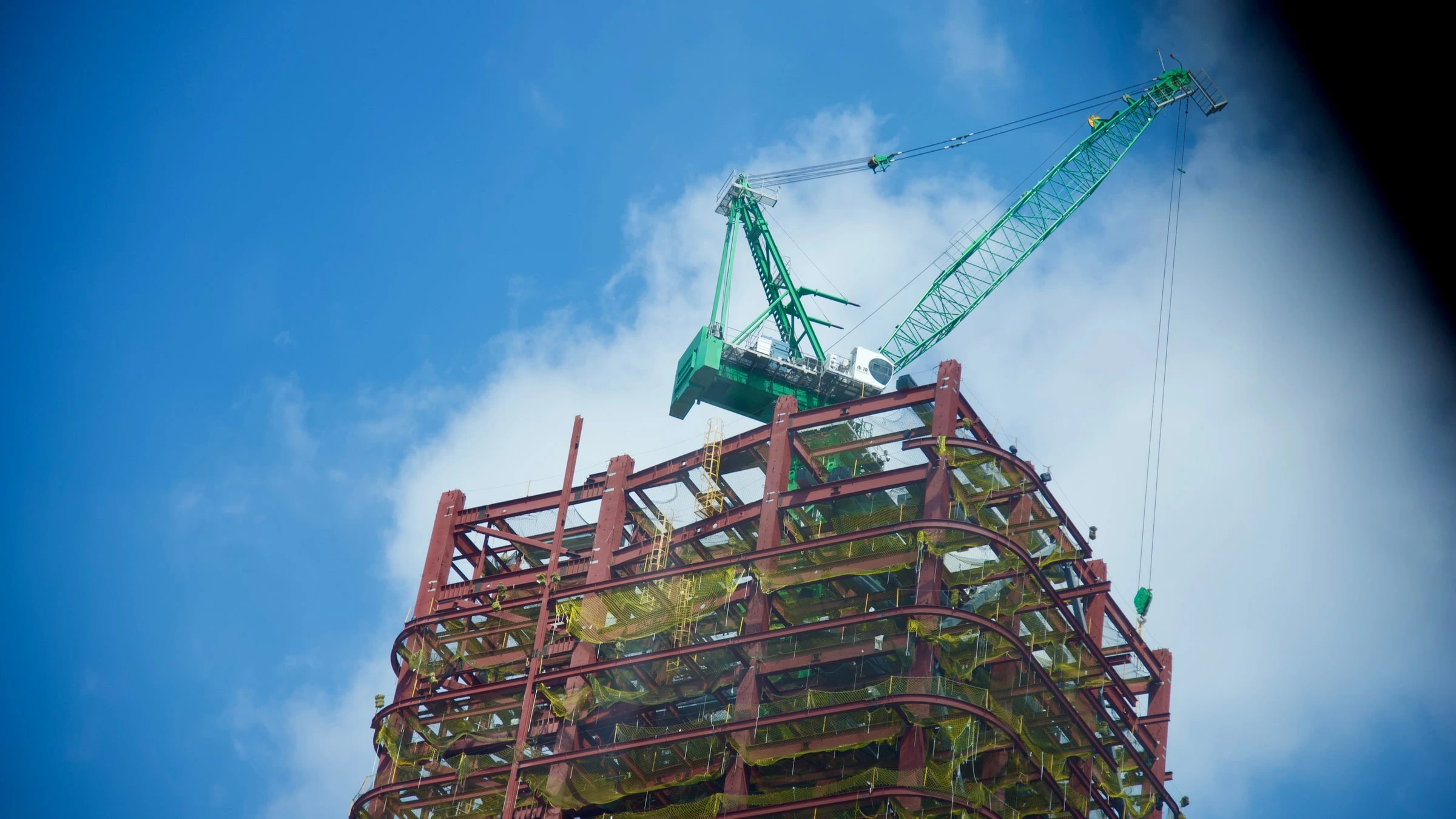
Construction & Modular Housing
SteelHomes: The Capital Package for a 12× Capacity Step-Change
$60Mequity raise to fund a robotics-driven production plant
A complete, funding-ready capital package for a steel-built housing company
Read the engagement
Consumer Products & Manufacturing
Arista Seating Solutions: An Investable Company Around a Patent
$12.6MYear-5 projected revenue on a single-entity model
A funding-ready package presenting a patented product as a defensible business
Read the engagement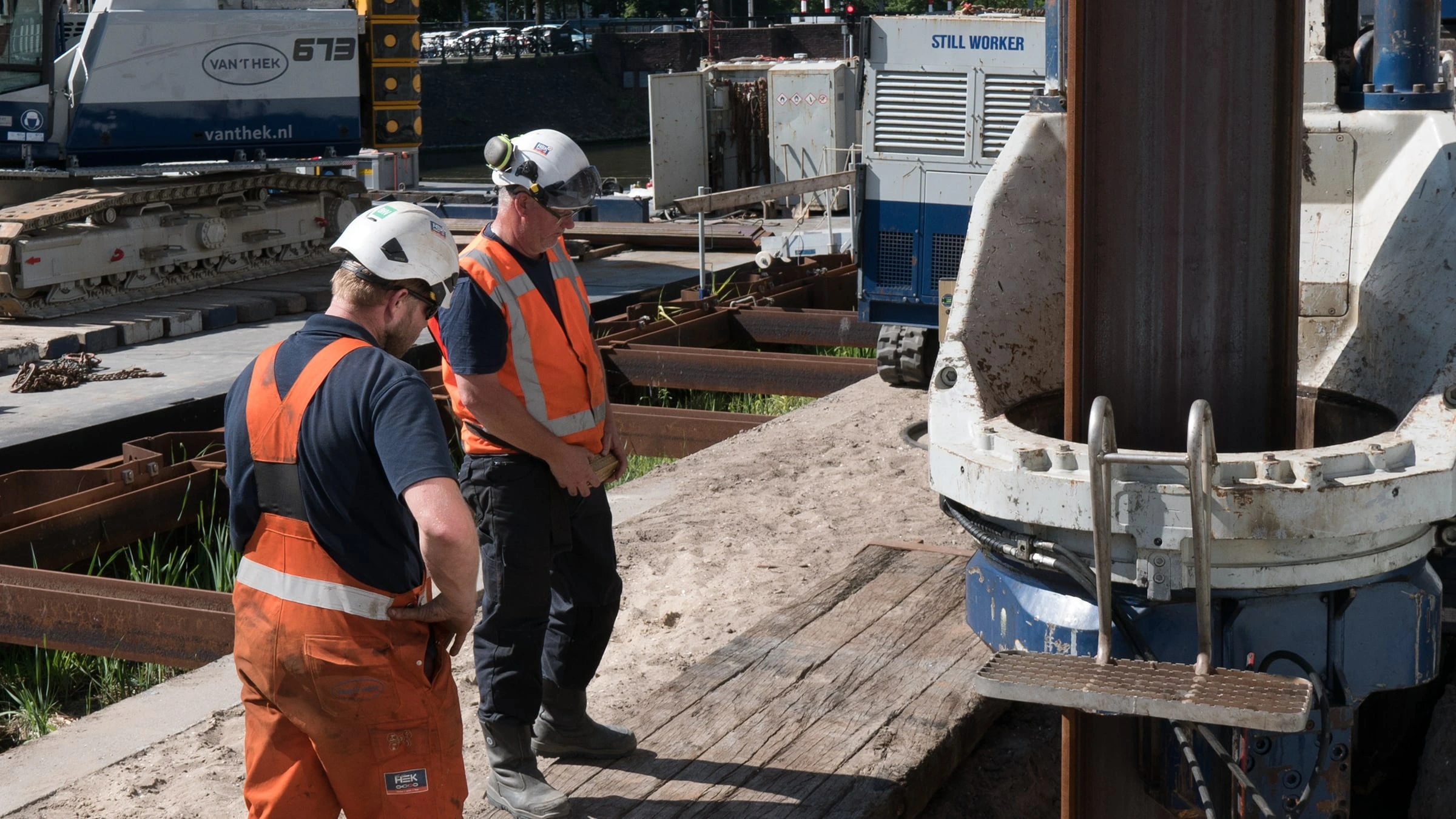
Construction & Government Contracting
BT Construction: A Government-Contracting Growth Plan
Contract-readya plan built to the standard government buyers expect
A government-contracting-ready plan, model, brand, and deck
Read the engagementRelated Pages
More for Construction & Contractors, and beyond it
Other services for Construction, Industrial & Logistics
- Business Plans & Funding for Construction & Contractors
- Fractional COO & Operations for Construction & Contractors
- Process Automation for Contractors & Home Services
- Go-to-Market Strategy for Industrial & Manufacturing
- Strategy & Consulting for Manufacturing & Industrial
- Website Services for Home Services & Trades
Financial Analysis for other industries
- Financial Analysis for Healthcare Practices
- Financial Analysis for Manufacturing & Products
- Financial Analysis for Energy & Infrastructure
- Financial Analysis for Startups & Fundraising
- Financial Analysis for Real Estate
- Financial Analysis for Restaurants & Hospitality
- Financial Analysis for E-commerce & DTC
The Full Practice